New York, March 24, 2026, 15:25 EDT
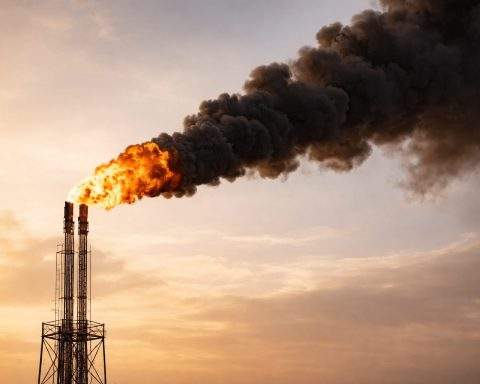
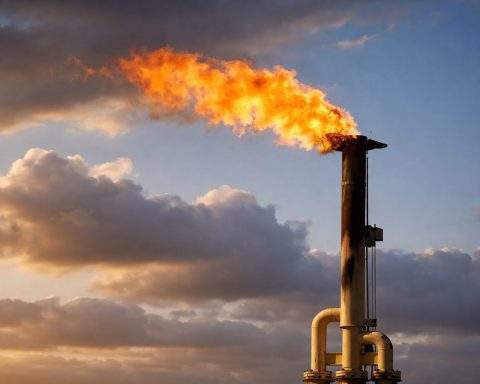
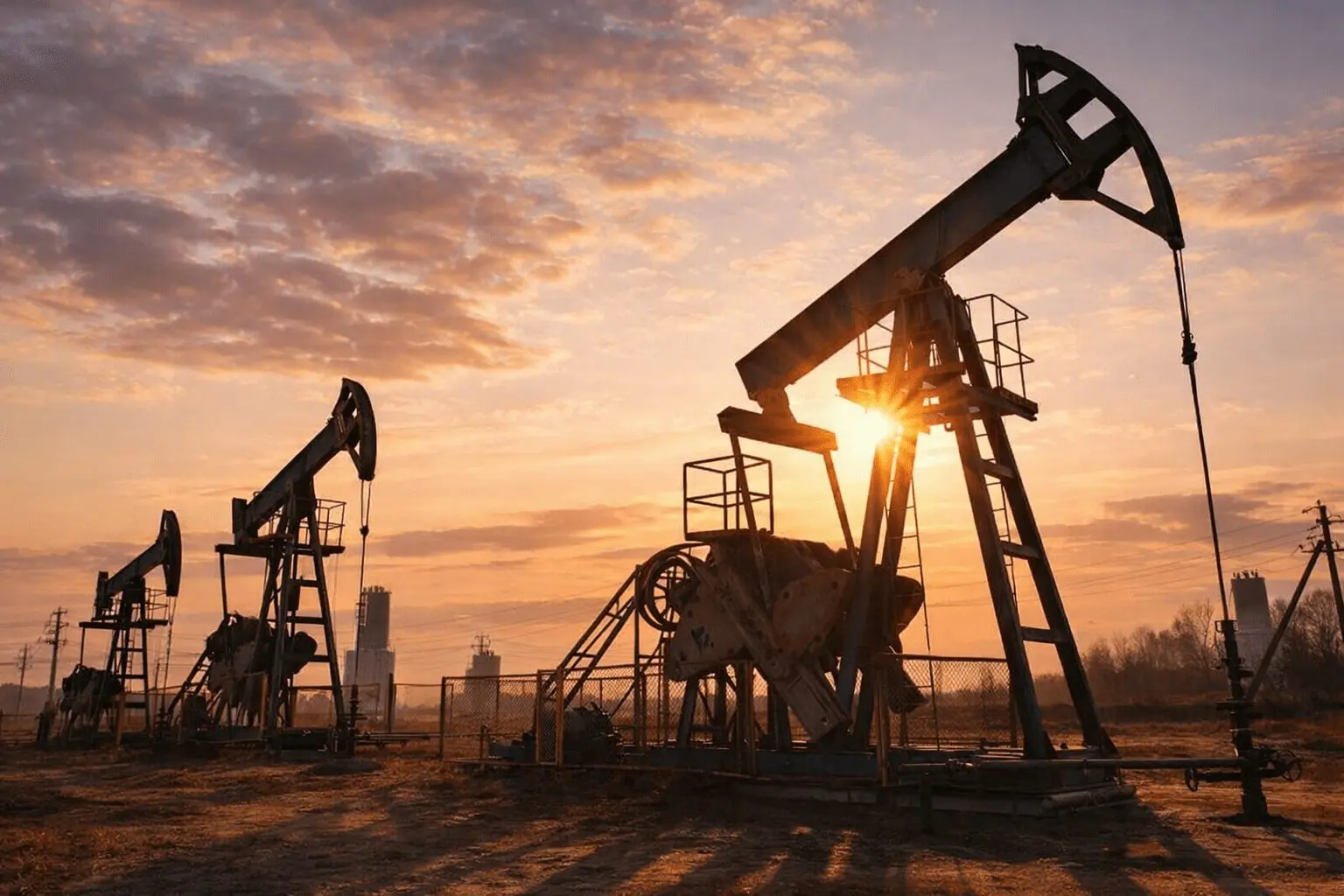
Oil surged Tuesday, with Brent climbing above $104 after Iran shot down rumors of negotiations with Washington, drawing attention back to supply concerns in the Gulf. Brent futures gained $4.62, settling at $104.56 as of 2:16 p.m. ET. West Texas Intermediate advanced $4.44 to hit $92.57. “The reality on the ground is unchanged,” said Nikos Tzabouras at Tradu.com. Reuters
The physical market’s still in disarray. The International Energy Agency reports that flows via the Strait of Hormuz have plunged to under 10% of what they were before the conflict broke out; in 2025, around 20 million barrels a day of crude and oil products went through that chokepoint—about a quarter of the world’s seaborne oil. The agency is calling this the biggest supply shock the oil market has ever seen. IEA
Governments are digging deeper into reserves, though the buffers appear limited. Japan, for its part, announced plans to tap joint stockpiles before the month wraps up, after already moving on private reserves as of March 16 and eyeing national reserves for release starting March 26. The IEA puts Japan’s share of the coordinated release at just under 80 million barrels. Reuters
The premium disappeared in a hurry on Monday. Brent plunged 10.9% to settle at $99.94, while WTI skidded 10.3% to $88.13. President Donald Trump’s decision to pause threatened strikes on Iranian power plants for five days and mention of constructive dialogue sent 30-day futures volatility to levels not seen since April 2022. Reuters
The market remained deeply wary of political developments despite Tuesday’s uptick. LSEG figures put over $500 million in Brent and WTI wagers just 15 minutes ahead of Trump’s Monday post. Then, in a wild burst, more than 13,000 lots—representing 13 million barrels—traded hands within a single minute as Brent slid sharply, dropping from roughly $112 down to about $99. Reuters
This could break either way. Goldman Sachs bumped up its 2026 Brent forecast to $85 per barrel, with a short-term spike to $110 for March-April if risk premiums persist. The bank flagged that heightened supply fears were inflating prices, and floated a $135 scenario if things get rough. But, Goldman was clear: if U.S. military operations wind down, that premium could vanish fast. Reuters
Big oil executives are flagging that the impact stretches beyond just crude prices. TotalEnergies boss Patrick Pouyanne called it “not only high energy prices.” ADNOC’s Sultan Al Jaber pointed to more expensive living and weaker growth as crude climbs. Chevron CEO Mike Wirth, for his part, argued forward oil prices still miss the full strain from a closed Hormuz. Reuters
Speaking in Houston on Tuesday, Kuwait Petroleum CEO Sheikh Nawaf Saud Al-Sabah dismissed emergency measures as “not even a drop in the proverbial barrel” compared to usual Gulf export volumes. According to Al-Sabah, Kuwait, Saudi Arabia, the UAE, and Iraq have already slashed millions of barrels in output following attacks on shipping and infrastructure. Even if the war stopped immediately, he said, Kuwait would still face a three to four month timeline just to get production fully back online. Reuters
Right now, traders are dealing with fallout rather than any diplomatic breakthroughs. The IEA insists that just tinkering with supply isn’t enough to patch things up. With crude holding above $100, costs for diesel, jet fuel, and liquefied petroleum gas have jumped even faster. Unless Hormuz reopens, oil prices are unlikely to calm down. IEA