
NEW YORK, March 10, 2026, 15:17 EDT
- Brent crude slid to $84.73 per barrel, with U.S. crude settling at $80.31, following Trump’s remarks that the conflict involving Iran might wrap up soon.
- G7 ministers decided not to tap emergency oil reserves for now, opting instead to have the International Energy Agency review possible actions.
Oil plunged nearly 15% Tuesday, with crude giving back a sharp rally after President Donald Trump suggested the Iran conflict could wrap up soon. Brent was off $14.23, trading at $84.73 a barrel in early New York action. U.S. West Texas Intermediate shed $14.46 to $80.31. The slide erased much of the panic run-up that had sent prices above $119 just the day before.
Monday’s surge rattled nerves, stoking concerns about a new inflation jolt as rising fuel costs squeezed both consumers and company profits. Despite a bounce for stocks on Tuesday, Reuters flagged that U.S. gasoline prices had already topped $3.50 a gallon—evidence of just how swiftly an oil shock can ripple through the broader economy.
Governments didn’t call the selloff the end of the crisis. G7 energy ministers held off on tapping emergency crude reserves, opting instead to have the International Energy Agency review supply and draft intervention scenarios.
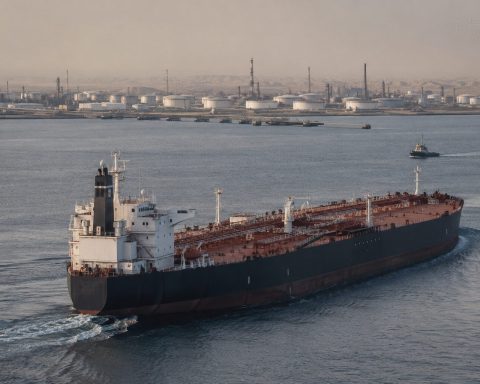
“This is the market reacting to the possibility that the Strait of Hormuz could reopen,” said Andrew Lipow, president of Lipow Oil Associates. The strait, squeezed between Iran and Oman, typically sees roughly a fifth of global oil and liquefied natural gas shipments pass through. Since the war broke out on Feb. 28, Reuters points to U.N. data showing traffic there has plunged by 97%. Reuters
Trump told CBS the war was “very complete” and moving faster than expected, remarks that steadied trading. His administration, eyeing the risk of consumer pain before November’s congressional vote, has considered moves to rein in prices—possibly by softening some oil sanctions on Russia or tapping U.S. and G7 emergency reserves. Reuters
The fighting showed no sign of letting up on Tuesday. U.S. and Israeli strikes on Iran marked what Pentagon officials and witnesses called the most intense barrage to date. Tehran, undeterred, renewed warnings to choke off regional oil flows if the assaults persist. Later in the day, the White House clarified that the U.S. military still hadn’t escorted any commercial vessels through the Strait of Hormuz, pulling back expectations for a return to standard shipping.
Even if the conflict eases, a rapid supply recovery is unlikely. “Cranking up the supply chain won’t be swift,” said Simon Flowers, chairman and chief analyst at Wood Mackenzie. Wells that have been shut for an extended stretch can need weeks — or more — to come back online. Reuters
JPMorgan flagged that policy actions might not accomplish much unless access through Hormuz is secured. Consultancy IIR reported that almost 1.9 million barrels per day of refining capacity in the Gulf is already offline. Regional infrastructure took another blow: ADNOC stopped operations at its Ruwais refinery after a drone attack set off a fire, according to a source cited by Reuters.
Saudi Aramco echoed the sentiment. CEO Amin Nasser cautioned that any extended disruption in Hormuz could spell “catastrophic consequences” for global oil markets—a pointed reminder that Tuesday’s selloff was really about changing sentiment, not any real resolution to the underlying supply issues. Reuters
Goldman Sachs is sticking with its $66 a barrel Brent call for the fourth quarter, expecting the current shock to ease before year-end. Still, today’s sharp move underscored just how quickly sentiment can shift with the top global oil chokepoint still exposed.
Related articles: Energy Markets