
NEW YORK, July 20, 2026, 09:05 EDT — U.S. cash equities traded ahead of the market open.
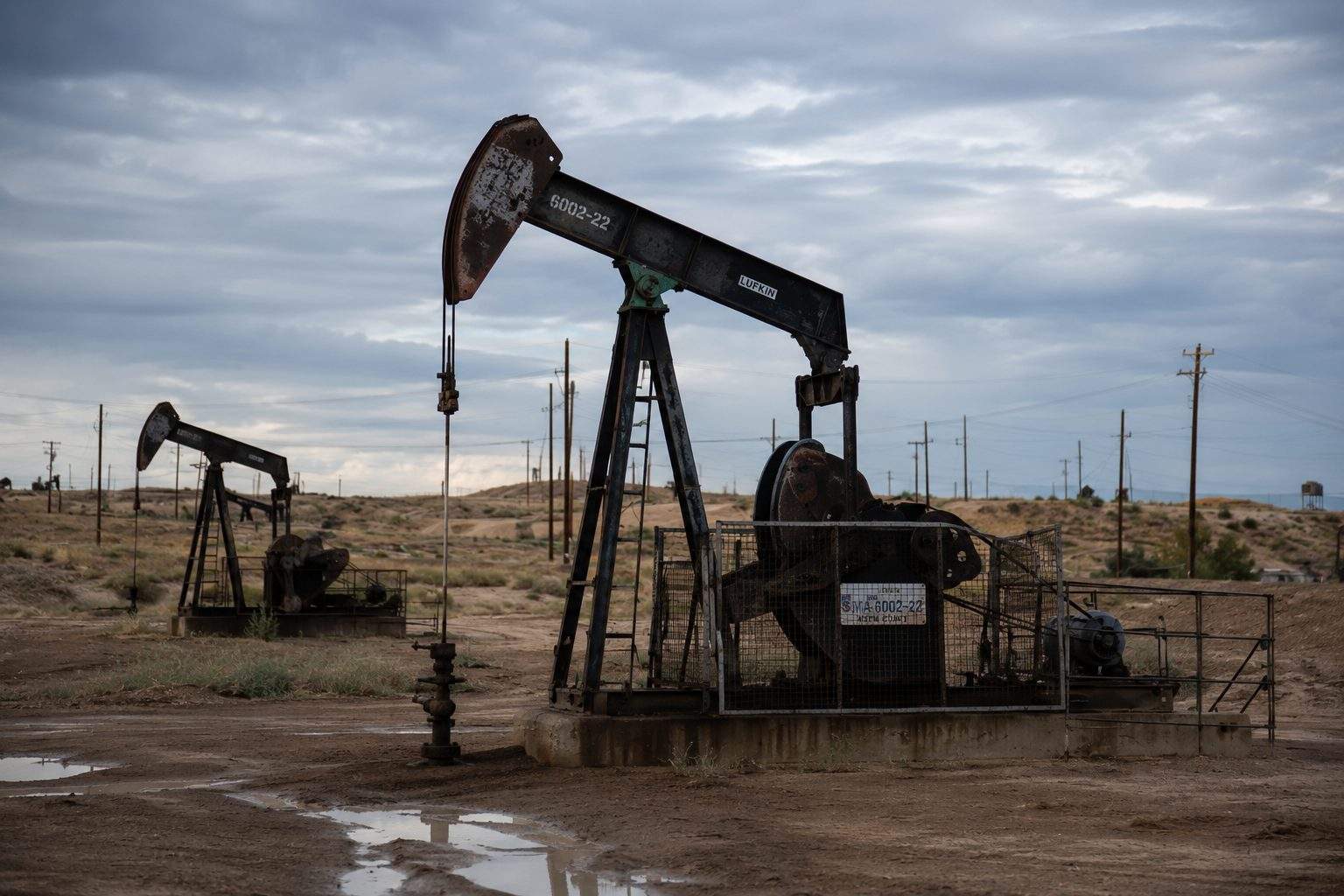
- Brent eased to $88.28, having earlier reached a one-month peak at $91.42.
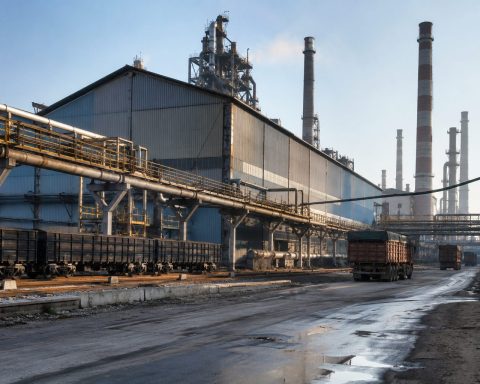
- Global refinery throughput averaged approximately 78 million barrels per day in the second quarter, marking a decrease of about 5 million barrels compared to the same period last year.
- Soaring fuel margins and $4 gasoline have now become the more significant inflation threat.
Brent crude fell under $90 on Monday, but the drop concealed an intensifying fuel shortage. The New York core session was set to begin at 9:30 a.m. EDT.
The division is significant. Refinery margins are at all-time highs even as worldwide processing stays subdued. This is now impacting fuel prices, shipping expenses and bond markets.
Brent rose 0.2% to $88.28 as of 8:22 a.m. EDT after reaching $91.42, its peak since June 11. West Texas Intermediate fell 0.4% to $82.15. Brent stayed roughly 20% above its July levels.
A shift in Iran’s willingness to negotiate triggered the turnaround. Mediators suggested a 10-day ceasefire, as vessel activity through Hormuz continued to decline. On Sunday, four ships passed the strait, compared to eight on Saturday.
Futures for U.S. equities advanced as oil retreated from recent highs. According to Quartz, S&P 500 futures climbed 0.36% earlier Monday. Futures for the Nasdaq-100 increased 0.78%, and Dow futures added 0.23%.
Data shows a clear gap among investors.
| Market signal | Latest reading | Comparison |
|---|---|---|
| Brent crude | $88.28 a barrel | Roughly 30% under the wartime high of about $126; 22.6% higher than the July 6 close. Reuters |
| U.S. 3-2-1 refining margin | Nearly $70 a barrel | Unprecedented level. Reuters |
| European diesel margin | Around $65 a barrel | All-time record. Reuters |
| U.S. pump gasoline | $4.003 a gallon | Up over 30% since late February. Reuters |
| Global refinery runs | About 78 million barrels daily | Approximately 5 million barrels a day less than a year earlier, or near 6% lower. Reuters |
| Bullish Brent fund exposure | About $14.8 billion | Down over 50% from the six-year high in March. Reuters |
Percent changes use the numbers provided above for calculation.
Crude availability is a key factor. The International Energy Agency reported that worldwide production increased by 4.1 million barrels per day in June. However, refinery operations remained 6 million barrels per day below the levels recorded a year earlier.
China’s crude imports dropped in June, hitting their lowest point in almost ten years. In the U.S., output climbed to a new peak of 13.93 million barrels per day. Additionally, a joint release from reserves totaling 400 million barrels provided extra supply.
The relief has yet to benefit drivers. On Monday, the average U.S. gasoline price was $4.003 per gallon. Alex Hodes, energy strategist, noted refined fuel markets are experiencing “extreme tightness” following capacity reductions. Reuters
Speculators are maintaining a cautious stance. On Monday, bullish positions in Brent were valued at around $14.8 billion, still over 50% lower than the six-year high recorded in March.
Ilia Bouchouev from the Oxford Institute for Energy Studies said, “Everybody is bullish now, but nobody is long.” Reuters
The physical crude market shows fewer signs of stress. Prompt cargoes are still accessible. North Sea Forties crude, after reaching a record premium, is now trading at a discount. This reduces the risk of a wider squeeze on futures.
The fuel sector operates differently. The numbers suggest that refiners are enjoying greater pricing leverage. In contrast, airlines, trucking companies and manufacturers are contending with tighter margins. This is an observation, not a prediction.
Bond investors have taken notice. The yield on the U.S. 10-year rose to 4.55%, and the 30-year yield surpassed 5%, with futures reflecting expectations for at least one Federal Reserve rate hike before the end of the year.
Risks: If a lasting ceasefire is reached and wider access through Hormuz resumes, the crude premium may fall rapidly. Additional shipping interruptions, successful Houthi blockades, or delays in refinery operations resuming could worsen the current fuel shortage.
The U.S. Energy Information Administration projects Brent crude will average $70 during the fourth quarter as output and trade rebound. In the meantime, fuel margins could serve as a clearer indicator of stress for investors.
Related articles: Inflation