NEW YORK, March 12, 2026, 05:06 EDT
- Crude popped above $100 for a short spell following renewed attacks on tankers in Iraqi waters, but by the close Brent had retreated to $96.45, with U.S. WTI slipping to $91.30. Reuters
- Exxon, Chevron, and Occidental shares climbed in premarket action. U.S. stock index futures, on the other hand, slipped as traders dialed down hopes for quick Federal Reserve rate cuts. Reuters
- Even after the IEA announced a record release of 400 million barrels—172 million of those coming from the U.S. Strategic Petroleum Reserve—worries about supply disruptions at the Strait of Hormuz linger. Reuters
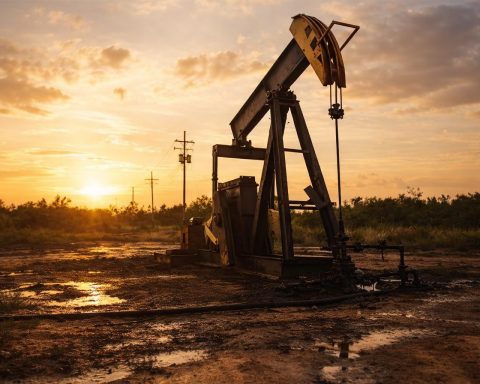
U.S. oil shares pointed higher ahead of Thursday’s open, with Exxon Mobil, Chevron, and Occidental Petroleum gaining ground in premarket trading as crude prices shot up on renewed Gulf shipping attacks. Brent spiked above $100 a barrel for a short stretch before pulling back; at 0733 GMT, it was still up 4.86% at $96.45. WTI, the U.S. standard, climbed 4.64% to $91.30. Reuters
Oil’s impact stretches well beyond energy these days. By 3:35 a.m. ET, Dow futures had slipped 0.8%, with the S&P 500 and Nasdaq both off 0.7%. Goldman shifted its expected timing for the next Fed rate cut out to September. U.S. gasoline prices broke above $3.50 a gallon this week—marking the highest level since May 2024. Reuters
Traders remain unsettled despite the first relief step. The International Energy Agency signed off on a record release of 400 million barrels, with the U.S. set to provide 172 million from its Strategic Petroleum Reserve, the country’s emergency crude stash. Tina Teng, market strategist at Moomoo ANZ, flagged that the move might just buy time—if flows through the Strait of Hormuz don’t resume, the fix could prove short-lived. Reuters
Exxon advanced 2.3% to $151.58 before the bell, with Chevron tacking on 3.0% to reach $191.79. Occidental jumped 4.6%, landing at $55.58. This, while U.S. futures drifted lower. The trio’s move higher played out as the wider market lagged. Reuters
Operational risk is climbing. Exxon pulled non-essential staff from its Middle East sites and reduced certain operations to keep inventory in check, with shipping snarled at the Strait of Hormuz—the chokepoint between Iran and Oman moving about 20% of the world’s oil. CEO Darren Woods called safety the “first and highest priority.” Reuters
Crude inventories climbed past forecasts last week, according to U.S. government figures released Wednesday, even as gasoline and distillate stocks posted steeper-than-expected declines. The oil market dismissed the crude build, zeroing in on mounting shipping attacks and tightening supply instead. Reuters
Goldman Sachs has shifted its outlook in response to the upheaval, bumping up its fourth-quarter 2026 price targets to $71 a barrel for Brent and $67 for WTI as of Thursday. The bank is now factoring in just 21 days with Hormuz crude flows running at 10% of usual levels, followed by a month-long recovery. In a more bullish scenario, Brent prices could reach an average of $110 through March and April. Reuters
Rodrigo Catril, senior FX strategist at NAB, summed up the mood: “The market remains very concerned” about developments in Hormuz. For oil, he said, risks are skewed toward prices climbing, not falling. Joe Brusuelas, chief economist at RSM US LLP, didn’t mince words on the broader picture. “As prices rise, consumption is affected, and, ultimately, corporate earnings erode.” Reuters
But the trade might not be done swinging. Oil sank over 11% on Tuesday after Trump said he expected the war to end soon. Andrew Lipow, who runs Lipow Oil Associates, pointed to the selloff as traders betting the strait could reopen. Still, Simon Flowers of Wood Mackenzie noted that ramping oil output back up—even if hostilities stop—could drag on for weeks or longer. Reuters
Keep an eye on three key factors at the open: crude’s grip on the $100 mark, possible escalation in shipping and refinery snags across the Gulf, and the speed at which the reserve release actually lands in the market. Later Thursday, jobless claims hit alongside comments from Fed Vice Chair Michelle Bowman—both set to sway rate bets that have been rattled by the recent jump in energy costs. Reuters