NEW YORK, Feb 2, 2026, 06:27 (EST)
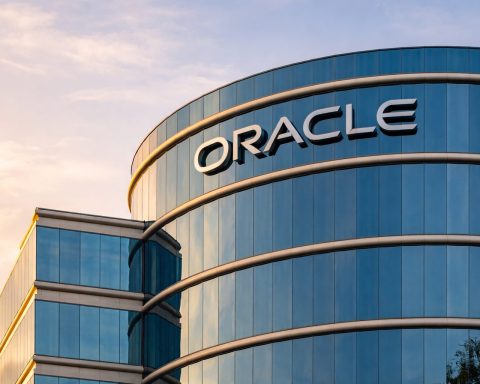
- Oracle aims to secure $45 billion to $50 billion in 2026 by issuing both debt and equity as it ramps up cloud capacity to meet growing AI demand.
- Shares dropped roughly 4% in premarket action after analysts flagged the plan might squeeze margins and push back a free-cash-flow recovery.
- A TD Cowen note referenced in the media suggested Oracle could slash 20,000–30,000 jobs amid banks scaling back on AI data-center financing.
Oracle plans to raise between $45 billion and $50 billion in 2026 to expand its cloud infrastructure for growing AI demands, using a mix of debt and equity. Roughly half of that will come from equity-linked and common stock, including mandatory convertible preferred securities — a type of preferred stock that must convert into common shares — plus an at-the-market program allowing gradual share sales. The company faces increased scrutiny as its debt rises and its reliance on OpenAI grows, despite OpenAI being unprofitable and unclear on its own infrastructure funding. Bondholders sued Oracle in January, and credit default swap costs on its debt hit a five-year peak last December, a report noted. Reuters
Timing is key. Investors are increasingly pressing on who foots the bill for the data centers, chips, and power fueling the AI surge—and how long that demand can hold up after the initial frenzy dies down.
Oracle isn’t alone in splashing out, but it’s laying its funding strategy bare — and on a large scale. This shifts the general “AI capex” chatter into a clear-cut challenge to investor demand for Oracle’s debt and equity.
Oracle said the fund-raise aims to boost Oracle Cloud Infrastructure capacity to keep up with contracts from big clients like Advanced Micro Devices, Meta, Nvidia, TikTok, and xAI. The company’s board approved a plan for a one-time issuance of investment-grade senior unsecured bonds early in 2026, with no further bonds expected that year. Goldman Sachs will lead the bond offering, while Citigroup will handle the equity side, Oracle said. PR Newswire
Oracle shares dropped roughly 4% in Monday’s premarket session following the announcement of its plan. Russ Mould, investment director at AJ Bell, noted, “The perception is that Oracle’s fortunes are now heavily tied to OpenAI.” Bernstein commented that the proposed debt-and-equity structure should maintain Oracle’s investment-grade credit rating. Jefferies added that while the financing “buys time,” it might pressure margins and keep free cash flow in the red through fiscal 2029. Reuters
An at-the-market share-sale program offers Oracle flexibility, though it risks ongoing dilution if heavily used. Mandatory convertibles provide a gentler approach to raising equity upfront, but they eventually convert into common stock as well.
A TD Cowen note, quoted by local outlets, revealed Oracle is considering cutting 20,000 to 30,000 jobs to free up $8 billion to $10 billion in cash flow for AI data-center investments. It also pegged Oracle’s total capital expenditure for the buildout at around $156 billion. The note added that some U.S. banks have stepped back from financing parts of the expansion. mint
The report also revealed Oracle is asking some new clients to pay around 40% of fees upfront and is negotiating “bring your own chip” deals, letting customers provide their own hardware to cut Oracle’s infrastructure costs. It added that Oracle is considering selling its healthcare software unit Cerner. Meanwhile, OpenAI has shifted some near-term computing needs to competitors Microsoft and Amazon. Business Standard
Some investors see the financing as complicated but manageable. “Enterprise AI dollars would no longer have to compete with consumer AI dollars,” Holger Mueller, an analyst at Constellation Research, noted in a report, suggesting Oracle would maintain strong enterprise demand even if OpenAI shifts its strategy. SiliconANGLE
The competitive landscape is ruthless and straightforward: the cloud giants keep expanding, leaving those short on data-center capacity under pressure. Oracle is racing to catch up, all while trying to maintain its credit standing.
The downside risks are clear. A drop in the stock price would likely complicate equity issuance, while bond investors might push for higher yields if they start doubting AI demand or get uneasy about how concentrated Oracle’s largest cloud investments have become.
Oracle hasn’t confirmed the layoffs or asset sales mentioned in the TD Cowen note. Investors are closely tracking when the bond deal will hit, how soon Oracle might access equity markets, and if it can continue landing big cloud contracts without passing more costs to customers.