
New York, June 23, 2026, 10:04 (EDT)
• Oriental Rise traded higher in early Nasdaq action as a 1-for-4 reverse split kicked in Monday.
• The tea supplier remains in the middle of a Nasdaq delisting procedure over the $1 minimum bid price rule.
• The split affects share count and price, leaving the business unchanged.
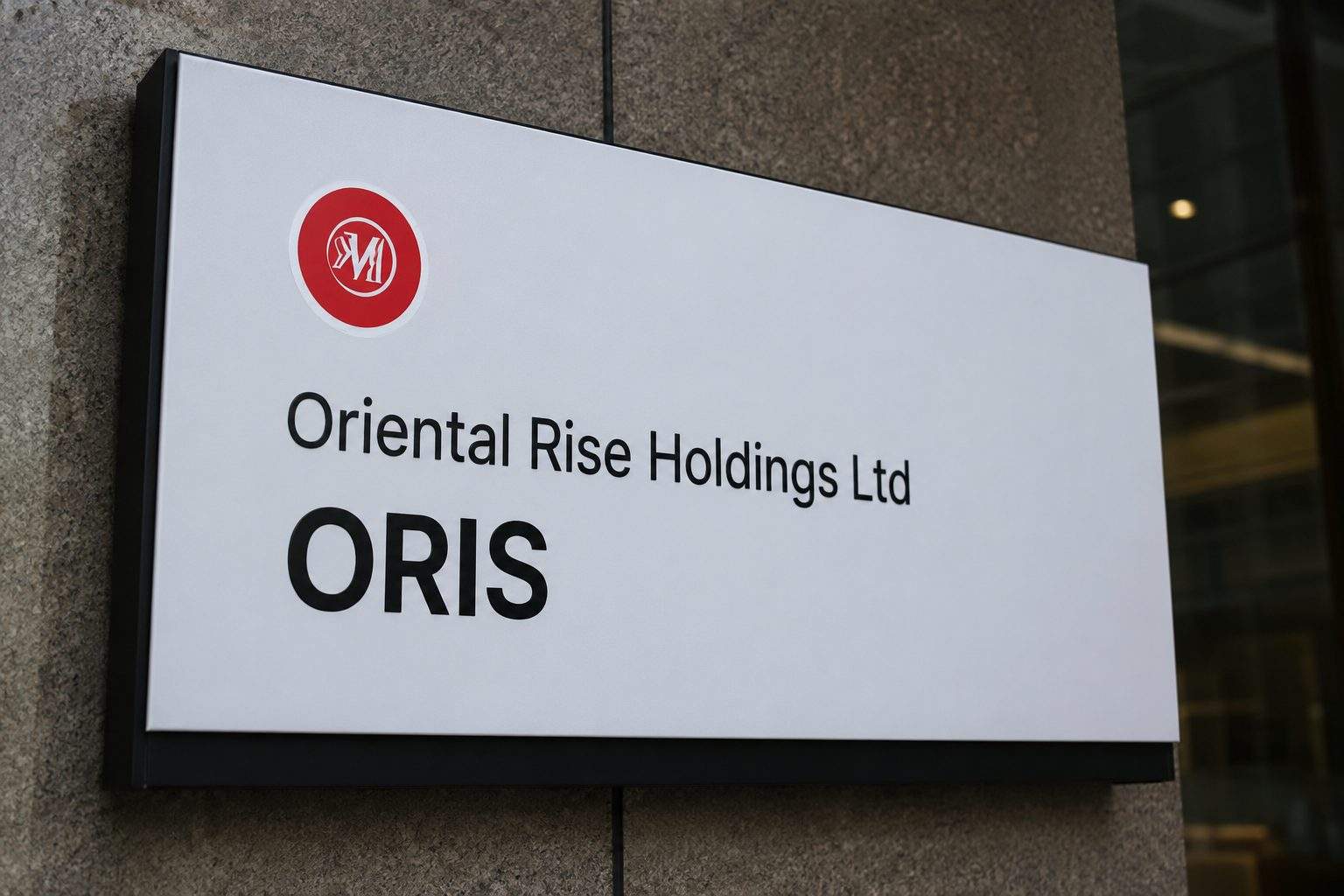
Oriental Rise Holdings Limited stock jumped in early Nasdaq trade Tuesday after the 1-for-4 reverse split kicked in, but most of the gains faded after the open. The Chinese tea supplier had seen shares surge sharply right at the start.
The stock was up about 11.6% at $2.70 in recent trading, after opening at $3.21 and going as high as $5.23 earlier in the session. Early volume crossed 9.2 million shares, a sharp jump from the light trading usually seen for most micro-caps.
Oriental Rise has been pressed to hold on to its Nasdaq listing, making the split important at this point. A reverse split cuts the share count and instantly raises the price per share, but the proportional stake for each shareholder stays the same and cash flow isn’t affected.
Nasdaq said Oriental Rise will do a one-for-four reverse split and raise the par value of its ordinary shares from $0.00001 to $0.00004. The move takes effect Monday, June 22, according to a corporate action notice. The CUSIP number also changed.
Oriental Rise said in a June 9 filing that its board cleared a 1-for-4 reverse stock split, CEO Dezhi Liu signed the document. The plan rounds up fractional shares to a full share.
Oriental Rise got a delisting notice in April after its shares stayed under the $1 minimum for 30 straight business days. Nasdaq told the company it did not qualify for the standard 180-day window since it already did a 1-for-20 reverse split on Dec. 30, 2025. Oriental Rise said it would ask for a Nasdaq hearing but cautioned that there is “no assurance” of regaining compliance. MDH Tea
Oriental Rise isn’t a wide China consumer play like some bigger tea brands. Chagee (NASDAQ:CHA) put up a much bigger U.S. IPO last year and caught investors’ eye. Tenfu Cayman, trading in Hong Kong, pushes tea leaves, snacks and teaware into retail stores. Oriental Rise is smaller. It focuses on growing, processing and selling mostly black and white processed tea and refined tea within China.
Oriental Rise saw a lighter year. The company’s 2025 annual report showed revenue at $12.2 million, a drop from $15.0 million a year earlier. Net profit fell as well, coming in at $681,000 against last year’s $2.1 million. For 2025, Oriental Rise booked an operating loss of $902,000.
Market action here looks like a capital-structure play, not a signal on tea demand. Reverse-split stocks like this sometimes draw in traders because the float shrinks and the price per share jumps on screens. The danger is these trades can lose steam after the split effect wears off and the focus shifts back to liquidity, results, or whether the stock can stay listed.
But there’s a clear risk here. If Oriental Rise can’t keep its share price high enough for Nasdaq, or if the hearings don’t go its way, the threat of delisting comes back. A reverse split is a stopgap—it won’t change the story if revenue stays weak, liquidity remains thin, or investors aren’t convinced.
Related articles: Nasdaq