
BOISE, Idaho, August 12, 2026, 10:46 MDT
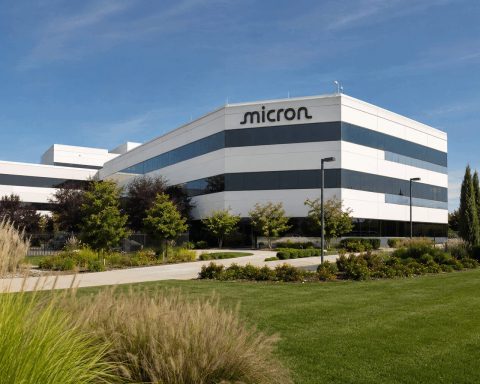
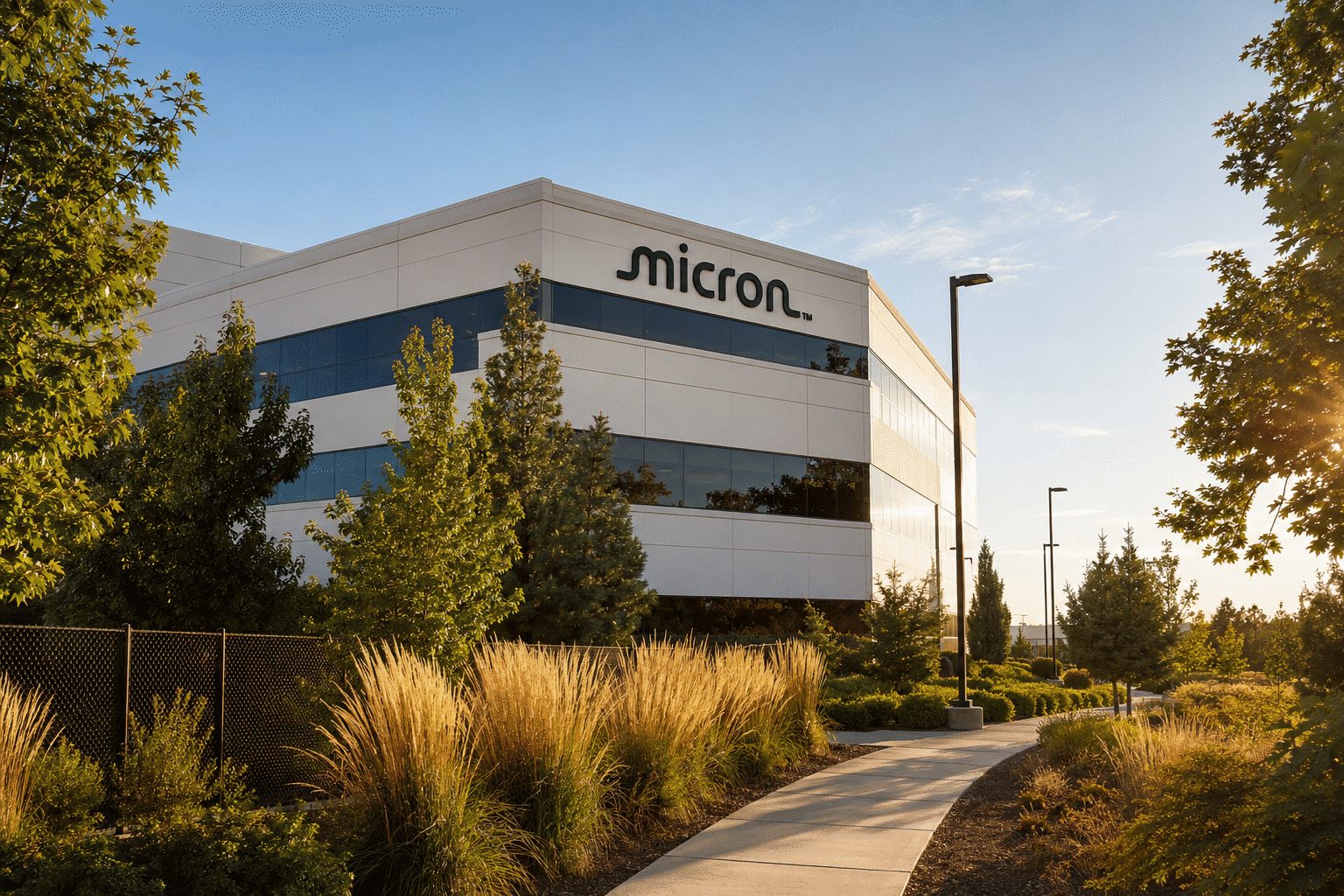
Micron Technology Inc. NASDAQ:MU shares jumped 6.45% to $924.50 during Wednesday trading. The move outpaced a 3.1% rise in the Philadelphia semiconductor index as AI infrastructure earnings lifted chip stocks.
The gain added roughly $63 billion to Micron’s equity value. That calculation multiplies the $55.98 share increase by 1.13 billion shares outstanding. It is a large one-day vote for durable memory scarcity.
Yet the rebound needs context. Micron remains 26.3% below its $1,255 52-week high. Wednesday’s move repairs only part of the recent slide.
| Market measure | August 12 reading |
|---|---|
| Share price | $924.50 |
| Daily move | +6.45% |
| Intraday range | $899.54-$931.00 |
| Volume | 20.70 million |
| Average volume | 44.33 million |
| Market value | $1.04 trillion |
| 52-week range | $113.47-$1,255.00 |
The immediate catalyst was sector-wide. Strong results from AI infrastructure companies supported expectations for continued data-center spending. Micron rose about 2.1 times as fast as the semiconductor index.
| Stock or index | Intraday move | Relative to Micron |
|---|---|---|
| SanDisk Corp. NASDAQ:SNDK | +7.64% | 1.19 times |
| Micron Technology Inc. NASDAQ:MU | +6.45% | 1.00 time |
| Marvell Technology Inc. NASDAQ:MRVL | +4.55% | 0.71 times |
| Philadelphia semiconductor index | +3.10% | 0.48 times |
| Nvidia Corp. NASDAQ:NVDA | +2.60% | 0.40 times |
| Taiwan Semiconductor Manufacturing Co. NYSE:TSM | +1.49% | 0.23 times |
Memory supply provides the fundamental case. Mizuho analyst Vijay Rakesh expects tight DRAM and NAND conditions through at least 2027. He sees significant new supply arriving only in 2028.
Micron’s latest reported numbers support that thesis. Fiscal third-quarter revenue rose 73.7% sequentially to $41.46 billion. GAAP gross margin expanded 10.2 percentage points to 84.6%.
| Operating measure | Fiscal Q2 2026 | Fiscal Q3 2026 | Fiscal Q4 guidance |
|---|---|---|---|
| Revenue | $23.86 billion | $41.46 billion | $50.0 billion ± $1.0 billion |
| GAAP gross margin | 74.4% | 84.6% | About 86% |
| GAAP operating income | $16.14 billion | $33.32 billion | Not provided |
| GAAP diluted EPS | $12.07 | $24.67 | $30.73 ± $1.00 |
| Operating cash flow | $11.90 billion | $25.39 billion | Not provided |
Chief Executive Sanjay Mehrotra said the results and outlook “reflect the strategic value of memory in the AI era.” Micron forecast $50 billion of fiscal fourth-quarter revenue and an 86% gross margin. Micron fiscal Q3 results
High-bandwidth memory, or HBM, is central to that claim. HBM stacks memory chips near AI processors to raise data throughput. Micron said HBM4 was already shipping in high volume for a lead customer’s platform.
Long-term customer agreements could reduce the industry’s historic swings. Management said those contracts should improve earnings predictability. Investors still lack full public detail on volumes, pricing floors and renewal terms.
| Analyst | Firm | Recommendation | Target | Latest action |
|---|---|---|---|---|
| Atif Malik | Citi | Buy | $1,150 | Maintained, August 10 |
| Vijay Rakesh | Mizuho | Buy | $1,375 | Reiterated, August 10 |
| Timothy Arcuri | UBS | Buy | $1,625 | Maintained, August 10 |
| John Vinh | KeyBanc | Buy | $1,750 | Maintained, July 14 |
| C.J. Muse | Cantor Fitzgerald | Buy | $2,000 | Maintained, June 29 |
Wall Street remains strongly positive. The average $1,569.07 target implies about 70% upside from Wednesday’s price. The target range runs from $1,100 to $2,200.
The valuation is less demanding than the share price suggests. Micron trades at about 20.9 times trailing earnings. The market is pricing further profit growth, not simply today’s sector rebound.
Risks: Memory prices can reverse when supply catches demand. New capacity, weaker AI spending or Chinese competition could compress margins. An outlook below the 86% gross-margin target would challenge the scarcity thesis.
Wednesday’s $63 billion gain raises the next bar. Micron must now convert memory shortages into sustained margins while remaining 26% below its annual peak.
Related articles: NASDAQ:MU