
NEW YORK, June 23, 2026, 11:06 (EDT)
- The Dow held close to 51,700 after a rough start, but tech losses were sharper in the Nasdaq and S&P 500.
- Chipmakers and AI stocks led the risk-off action. Big names in the Dow helped limit the fall.
- Traders tracked Federal Reserve rate-hike odds and looked ahead to Thursday’s PCE inflation report, which is the Fed’s go-to inflation gauge.
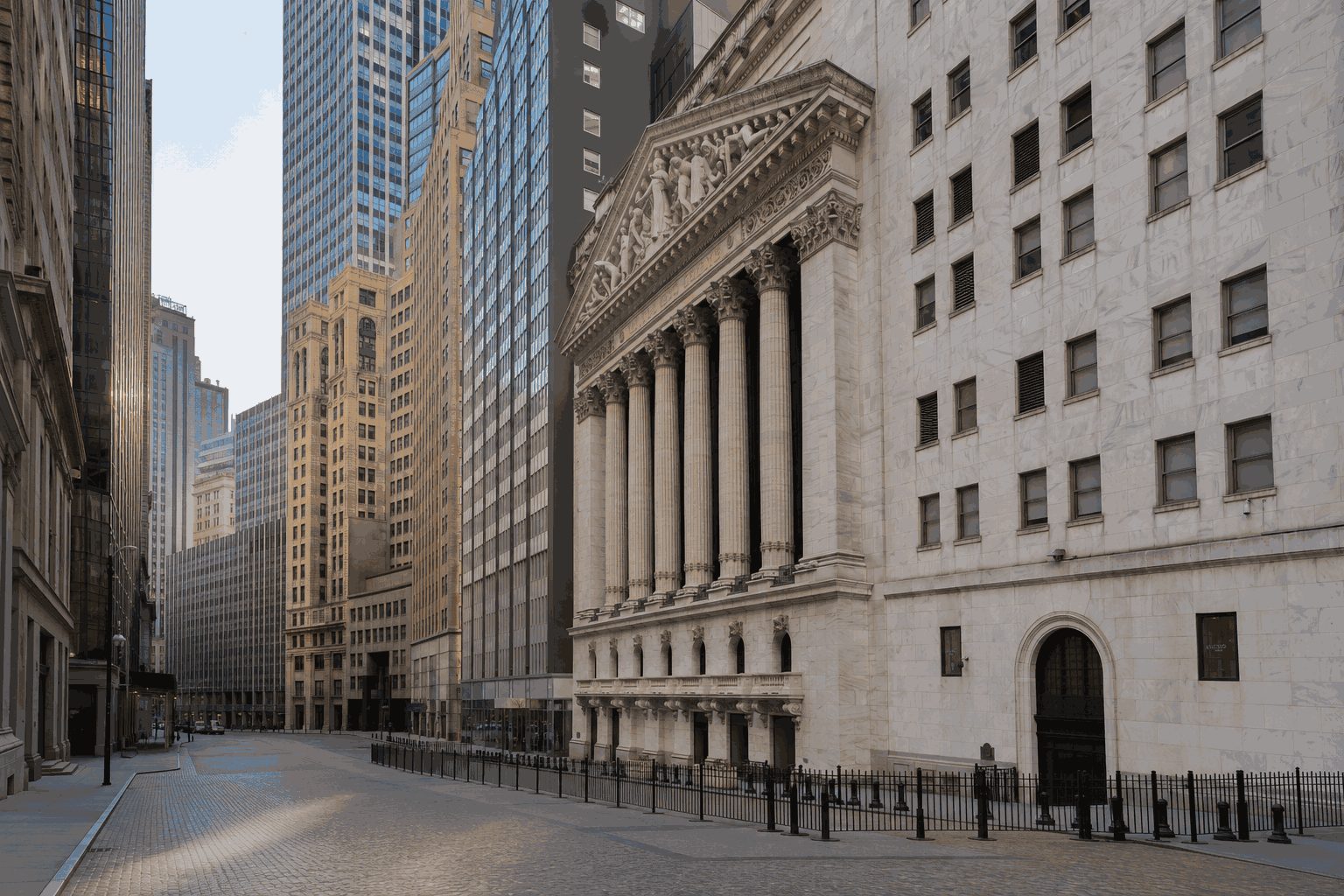
Dow flat near 51,700 as AI stocks drop hit Nasdaq, S&P 500 harderThe Dow Jones Industrial Average was mostly steady late Tuesday morning, last at 51,703.51, down 9.20 points, according to Reuters. The Dow traded in a narrow band of 51,301.77 to 51,809.84, holding up better than the Nasdaq and S&P 500 as selling in technology names tied to artificial intelligence dragged on the broader market.
Dow stays steadier as AI trades hit Nasdaq harder. The Dow, which tracks 30 big U.S. stocks, has less tied up in popular AI plays than the Nasdaq. Its almost unchanged level hinted investors weren’t selling everything. As of 10:39 a.m. EDT, WSJ data showed the Dow barely moved, S&P 500 dropped 0.92%, and the Nasdaq fell 1.34%.
Chipmakers, big tech and AI exposed stocks took the hit—the same drivers that had led Wall Street higher much of this year. The Philadelphia SE Semiconductor Index dropped 7.3%, Reuters said. Nvidia, Alphabet, Intel, Marvell and AMD pulled benchmarks lower. “When everybody owns the same stocks, the exit door becomes very small very quickly,” said Nigel Green, CEO at deVere Group. Reuters
Dow’s price-weighted setup played into market action. Higher-priced stocks carry more weight in the average, so names like IBM, Sherwin-Williams and Microsoft pushed the Dow into the green briefly about an hour after the open, according to MarketWatch. Caterpillar falling about 4% was the main drag.
Caterpillar and Nvidia were named as the biggest weights on the Dow in morning action, as the index slipped around 175 points. The Dow lagged the bounce in other benchmarks and didn’t fully shake off the selling. Still, the blue-chip index fared better than the tech-heavy averages.
Nasdaq fell harder as SpaceX dropped for a fourth session, Reuters reported. The selloff followed a three-day slide that erased $600 billion from SpaceX’s market value, shaking faith in expensive growth names and in AI bets bankrolled with debt. “I would be cautious about seeing this as a second-chance buying opportunity,” said Nic Puckrin, cross-asset analyst and founder of Coin Bureau. Reuters
Some Street shops stayed bullish. Barclays and Stifel lifted their S&P 500 year-end calls to 7,800, pointing to firmer earnings. Barclays’ Venu Krishna’s team said, “the equity bull case remains intact,” with more weight now on earnings and AI capital outlays as Fed support slows. Reuters
Dow’s recent calm could be short-lived. AP said traders now see an 85% chance the Fed will hike rates this year, up from 60% last week. A Fed-watched inflation number out Thursday is expected to show prices still running hot. Higher rates tend to weigh on stocks by making borrowing pricier and lowering how much investors will pay for future earnings.
Right now, the Dow is saying less than the Nasdaq. Not all U.S. stocks are getting the same treatment from investors, but the market’s central question hangs on the AI trade: is it slowing down smoothly, or is it starting to push money out of riskier assets?
Related articles: NYSE:IBM