
RAHWAY, New Jersey, August 12, 2026, 12:34 EDT
- At 11:40 a.m. EDT, Merck stock was up 1.89% at $132.88.
- No individual vaccine for measles, mumps, or rubella holds approval in the United States.
- Merck has stated that it may take over 10 years to develop three new vaccines.
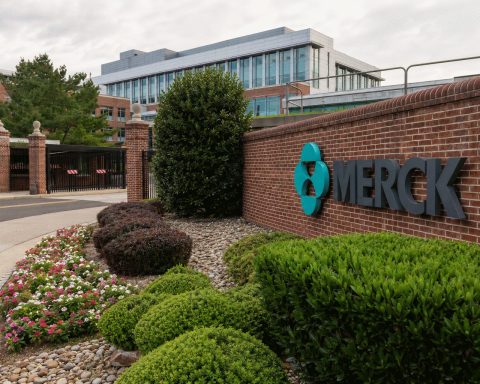
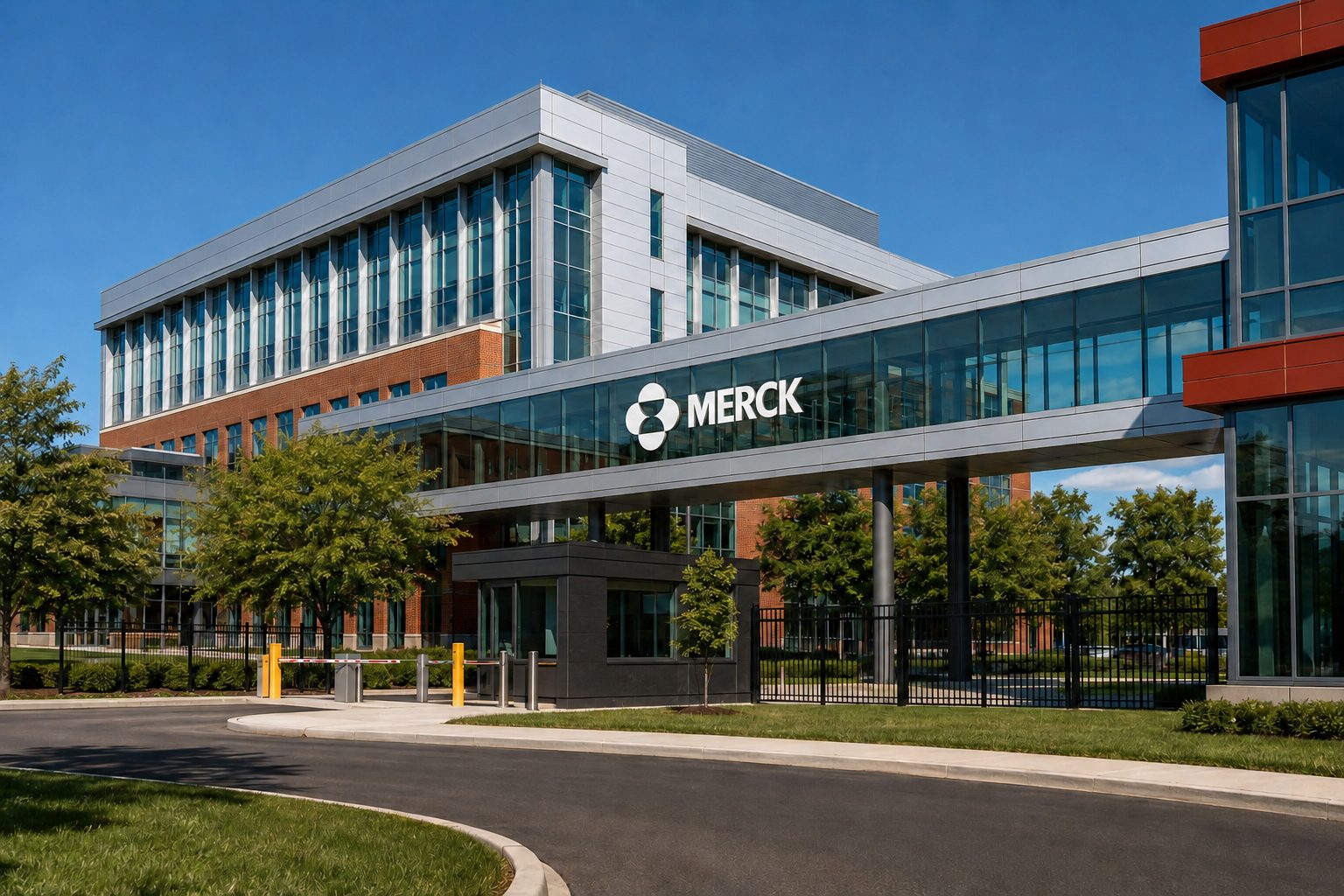
Merck & Co., Inc. NYSE:MRK stock climbed on Wednesday, with investors reacting to a presidential directive aiming to split measles, mumps, and rubella shots into individual vaccines. The move introduces an extended development process and is not expected to deliver an immediate boost to sales.
At 11:40 a.m. EDT, the stock was priced at $132.88, representing a 1.89% gain over Tuesday’s closing level. It was also just 1.6% under its record high set in July.
| MRK market indicator | August 12 value |
|---|---|
| Share price at 11:40 a.m. EDT | $132.88 |
| Change on the day | +1.89% |
| Highest level in past 52 weeks | $135.05 |
| Distance from peak | -1.6% |
The executive order instructs federal agencies to collaborate with pharmaceutical companies on three vaccines. Merck markets M-M-R II and ProQuad, while GSK plc NYSE:GSK offers PRIORIX.
However, there is no product approved for just one of these diseases. The Food and Drug Administration’s existing list features only combined MMR or MMRV vaccines. There are no standalone measles, mumps, or rubella vaccines included.
| U.S. vaccine | Manufacturer | Diseases covered | Status |
|---|---|---|---|
| M-M-R II | Merck | Measles, mumps, rubella | Approved combination |
| ProQuad | Merck | MMR and varicella | Approved combination |
| PRIORIX | GSK | Measles, mumps, rubella | Approved combination |
| Measles-only | None listed | Measles | Not approved |
| Mumps-only | None listed | Mumps | Not approved |
| Rubella-only | None listed | Rubella | Not approved |
The gap is more significant than the headline suggests. Any candidate would require development, clinical trials, regulatory approval, and manufacturing capabilities. Neither Merck nor GSK has pledged to produce the products, Reuters reported.
Merck has provided a timeline. The company stated in 2025, “We estimate that, in total, it could take more than 10 years” to secure approvals and commence commercial delivery. Merck statement via PolitiFact
The size of revenue further suggests a short-term rerating is unlikely. Merck does not break out M-M-R II individually. The combined ProQuad, M-M-R II and Varivax segment declined 3% in the previous quarter.
Initial estimates indicate the group’s sales are about $591 million. The figure reflects the reported drop from the prior year’s $609 million, representing approximately 3.6% of quarterly sales.
| Q2 2026 measure | Sales | Share of Merck total |
|---|---|---|
| Total company | $16.61 billion | 100% |
| Keytruda plus Keytruda Qlex | $8.37 billion | 50.4% |
| Gardasil | $1.17 billion | 7.0% |
| ProQuad/M-M-R II/Varivax | Roughly $591 million | Approximately 3.6% |
Keytruda is still the main source of Merck’s valuation. Last quarter, the cancer business generated over 14 times the projected sales of the vaccine division. Merck increased its full-year sales outlook to a range of $66.3 billion to $67.3 billion.
Wall Street sentiment stays upbeat, but potential gains appear limited. Out of 22 analysts tracked, 15 have a buy rating on the stock. Their average price target is $135.50, just 2.0% higher than Wednesday’s late-morning level.
| Analyst measure | Current reading |
|---|---|
| Consensus | Moderate Buy |
| Buy ratings | 15 |
| Hold ratings | 7 |
| Sell ratings | 0 |
| Average target | $135.50 |
| Low / high target | $90 / $155 |
| Implied upside | 2.0% |
The main issue for investors is execution rather than demand. Any backing from the government could help ease Merck’s development costs. However, details on pricing, procurement conditions, and a sustainable market are yet to be established.
Risks: The order may alter government buying or accelerate financing. It might also reduce demand for existing combination vaccines. Shifts in policy, lawsuits and limited adoption could leave investments stranded.
At present, the MMR directive represents a possible cost initiative rather than a confirmed product schedule. Keytruda, upcoming pipeline launches, and the 2028 patent expiration remain the key areas for investors to monitor.
Related articles: NYSE:MRK