
New York, May 15, 2026, 15:05 (EDT)
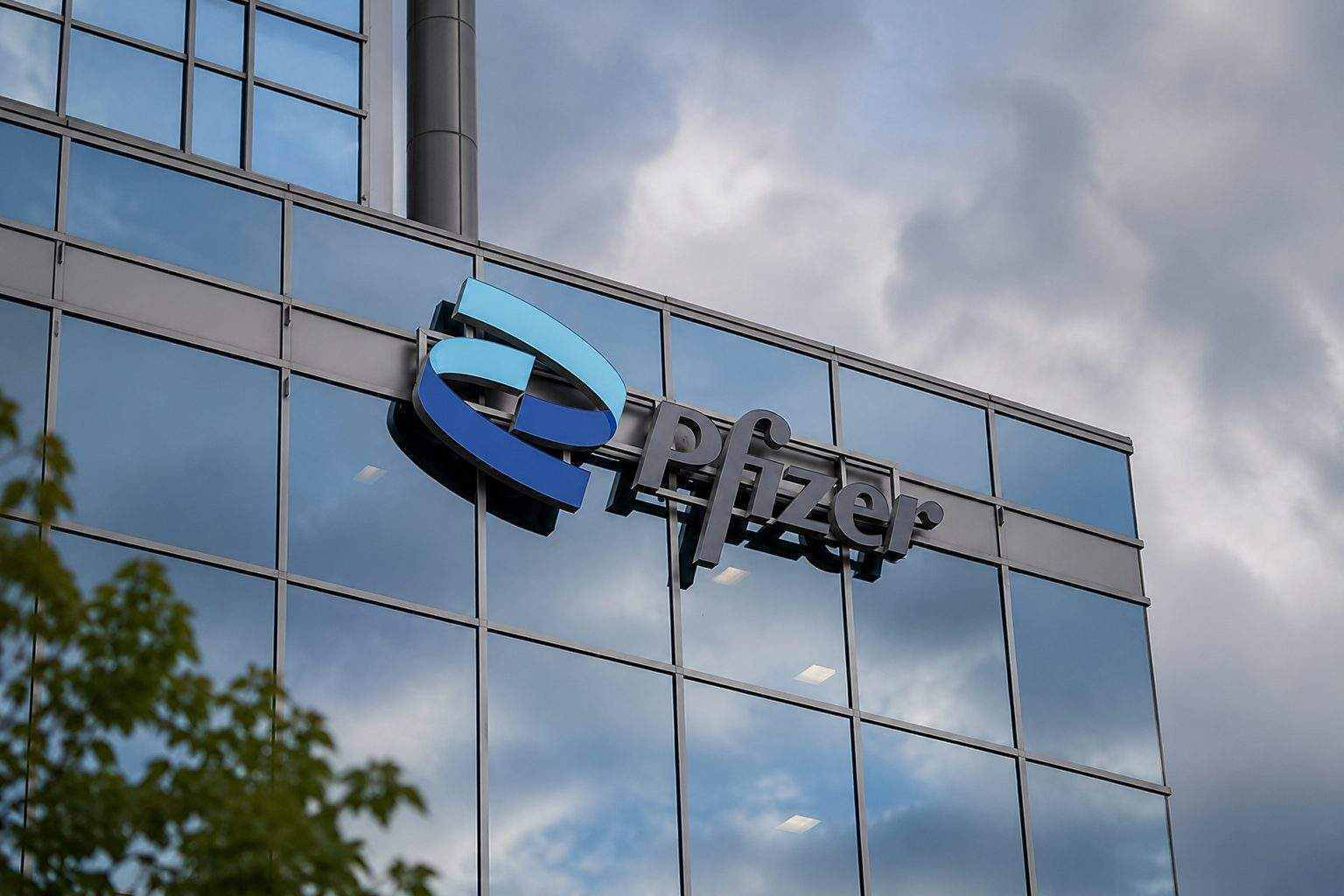
Pfizer Inc is looking to expand in India, focusing on cancer drugs, obesity therapies, vaccines and other specialty medicines as it looks to get back on track after its COVID-19 sales surge faded. Meenakshi Nevatia, who heads Pfizer in India, called the country a “must-win” and said “no company can be global if they’re not winning.” Nevatia also pointed to the need for faster product launches and better pricing for the Indian market. The Economic Times
Pfizer is trying to reassure investors as it moves past the COVID boom and braces for patent expirations. First-quarter revenue came in at $14.5 billion, 5% higher than last year. When stripping out older drugs, sales from new and acquired medicines rose 22% on an operational basis. Pfizer expects to lose about $1.5 billion in sales this year from generic and biosimilar competition.
Pfizer (PFE) slid 1.8% to $25.29 in New York afternoon trade, putting the drugmaker’s market cap at about $144.9 billion. J.P. Morgan analyst Chris Schott said the pipeline “could get more interesting,” but investors still want to see stronger clinical results before moving in. RBC’s Trung Huynh called Pfizer “a catalyst story, not an earnings story.” Reuters
Pfizer is focusing on both access and drug development in India. About 70% of its revenue in the country comes from products manufactured there, Nevatia told the Economic Times. The company is watching the obesity market while it moves through local clinical hurdles for new products.
Pfizer said the European Commission signed off on a wider use for Hympavzi, its once-weekly drug for hemophilia. The treatment can now be used in adults and teens 12 and up with hemophilia A or B who have developed inhibitors. Inhibitors are antibodies that cut into the effectiveness of standard factor-replacement therapy.
Pfizer reported its Phase 3 BASIS trial saw a 93% drop in mean treated annualized bleeding rate compared to on-demand therapy. That number tracks treated bleeds per year. “The patient journey can be complex and challenging with limited options available today,” executive Alexandre de Germay said. Pfizer
Hemophilia A comes from missing factor VIII, and hemophilia B is tied to not enough factor IX. Hympavzi is a weekly shot under the skin that blocks tissue factor pathway inhibitor (TFPI), which controls blood clotting.
Sanofi’s Qfitlia will be available in the U.S. starting next year for routine prevention in hemophilia A or B, regardless of inhibitor status. Novo Nordisk’s Alhemo picked up FDA approval for patients 12 and up with hemophilia A or B who have inhibitors. The market is crowded.
Pfizer’s first obesity drug isn’t close. Reuters reported earlier this month that the Metsera asset it picked up won’t hit the market before 2028, assuming trials go as planned. That keeps Pfizer behind both Eli Lilly and Novo Nordisk. Those two have already seen investor attention shift to their GLP-1 drugs.
Still, there’s plenty that could go wrong. Price might be an issue in India, and local trials could hit delays. Getting regulatory approval doesn’t always mean quick sales. Pfizer flagged big risks for Hympavzi: sales are uncertain, regulatory needs could shift, and there are still unresolved points around making the drug, labeling, and safety. The company said thrombosis was the main serious side effect in studies.
Pfizer is under pressure to show results, with investor focus on India, obesity drugs, vaccines, cancer assets, and smaller names such as Hympavzi. Size is not the issue. What investors want now are real sales, not more pipeline talk.
Related articles: NYSE:PFE