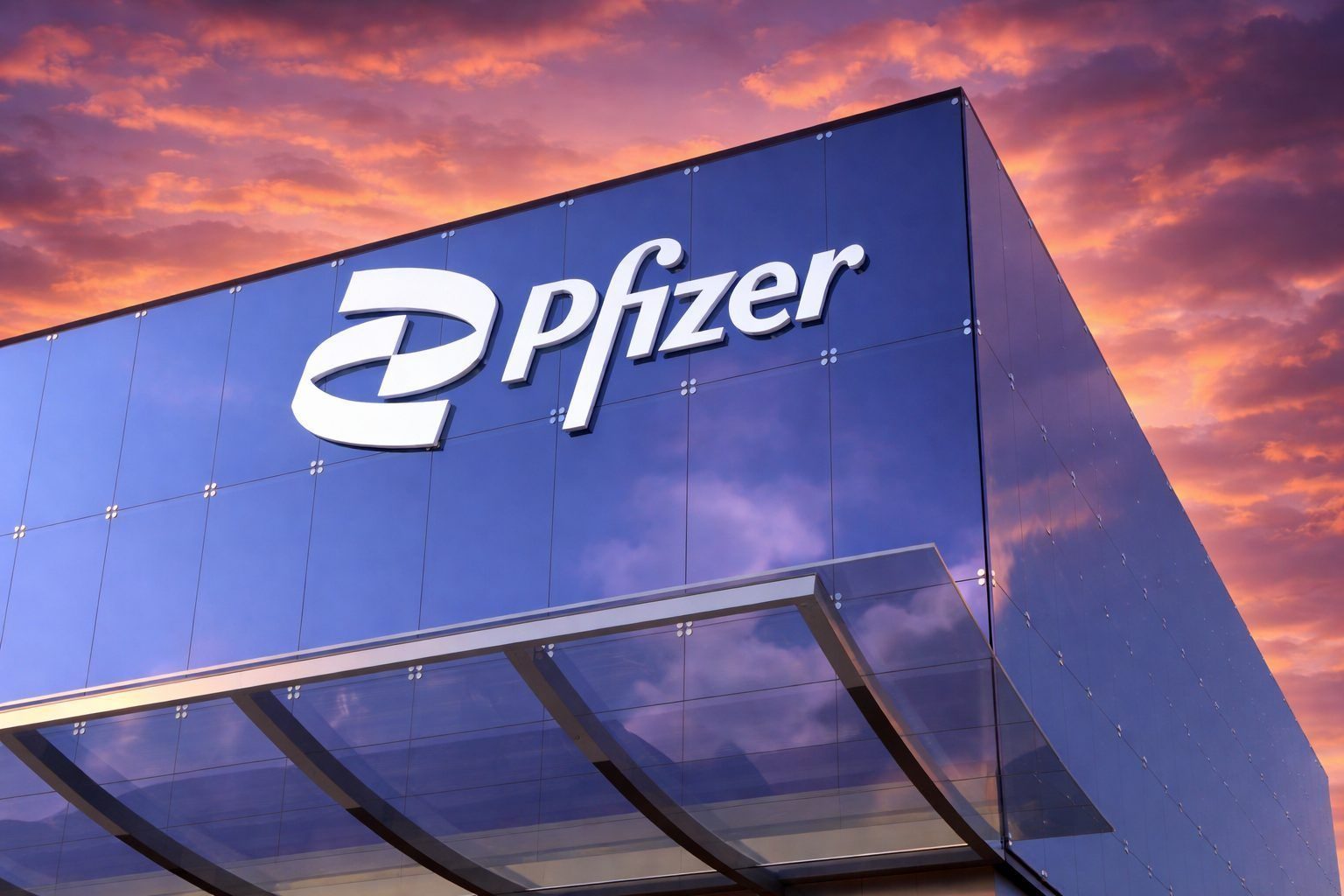

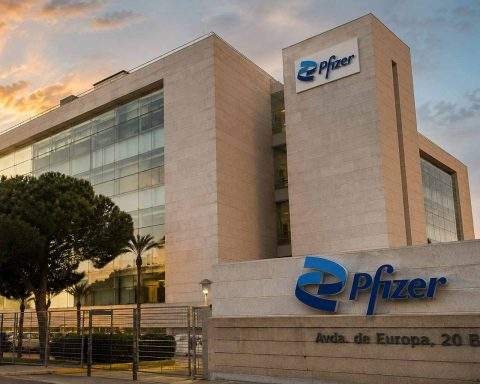
NEW YORK — Pfizer Inc. NYSE:PFE is heading into the year-end stretch with investors juggling two competing storylines: near-term pressure from fading COVID-era sales and looming patent expirations, versus a long-term rebuild powered by oncology, internal medicine, and a refreshed pipeline strategy. In holiday-thinned trading on December 24, 2025, Pfizer shares were around $24.93.
That “mid‑$20s” level matters because it has become the market’s psychological waiting room: bulls see a discounted global pharma franchise with a large dividend and multiple pipeline shots on goal; bears see a company still searching for its next era-defining growth engine.
What’s moving Pfizer stock around Dec. 24
1) Hemophilia headline risk: patient death reported in Hympavzi long-term study
One of the most immediate clinical headlines hitting sentiment late this week is Pfizer’s disclosure of a patient death in a long-term extension study of its hemophilia therapy Hympavzi (marstacimab). Pfizer said the participant died after severe events that included a stroke and subsequent brain hemorrhage, and that it is working with investigators and an independent monitoring committee to understand what happened; the company also indicated it does not currently expect the event to change the overall safety assessment based on available data.
For stockholders, this is a classic biopharma reality check: even for approved products, post-approval and long-duration trial data can create sudden “headline volatility,” especially in specialty franchises where physician confidence and patient advocacy groups’ trust are crucial.
2) Drug-pricing pressure stays in focus: Medicare pilots and broader policy momentum
On Dec. 24, market watchers also flagged new U.S. government efforts aimed at reducing prescription drug spending, including CMS pilot programs designed to curb costs and lower out-of-pocket burdens—part of a broader policy environment that continues to weigh on large-cap drugmakers’ pricing power narratives.
Separately (and importantly for a Pfizer co-marketed blockbuster), Reuters reported that Medicare beneficiaries could see materially lower out-of-pocket costs in 2026 for certain drugs under Inflation Reduction Act-related changes, including a new annual out-of-pocket cap for Medicare prescription drug spending. That’s good news for affordability, but it reinforces the direction of travel: more pricing scrutiny, more structural reform, and more pressure on legacy “set-and-forget” pricing playbooks. Reuters
Pfizer’s 2026 guidance is the new anchor—and it’s conservative by design
The market’s “base case” framing for Pfizer right now is heavily shaped by the company’s December 16, 2025 guidance update.
Pfizer reaffirmed full-year 2025 adjusted diluted EPS guidance of $3.00–$3.15, while providing full-year 2026 guidance of:
- Revenue:$59.5–$62.5 billion
- Adjusted diluted EPS:$2.80–$3.00 Pfizer+2s206.q4cdn.com+2
The company also pointed to two major, very tangible headwinds embedded in that outlook:
- COVID products: an expected ~$1.5 billion year-over-year revenue decline in 2026 versus 2025
- LOE (loss of exclusivity): an expected ~$1.5 billion negative year-over-year revenue impact from products facing patent/exclusivity losses Pfizer+2s206.q4cdn.com+2
This is why the stock conversation keeps snapping back to the same question: Can Pfizer replace what’s rolling off—fast enough—to restore durable growth before the decade ends? Reuters summarized Pfizer’s own framing as “bumpy” years ahead, with the company not expecting a return to revenue growth until later in the decade. Reuters
Dividend: Pfizer keeps paying investors to wait
Pfizer declared a $0.43 quarterly dividend for Q1 2026, payable March 6, 2026 to shareholders of record January 23, 2026—the company’s 349th consecutive quarterly dividend.
At a share price around $24.93, that dividend rate ($1.72 annualized) implies a yield of roughly 6.9% (simple annualized calculation based on the declared rate and the Dec. 24 trading level).
The strategic implication: Pfizer is effectively signaling confidence that (a) cash generation remains sturdy enough and (b) management can fund R&D + integration + business development without sacrificing the payout.
Pipeline and portfolio rebuild: the bull case Pfizer needs to execute
Metsera acquisition: Pfizer doubles down on obesity and cardiometabolic
Pfizer completed its acquisition of Metsera in November 2025, buying a clinical-stage obesity/cardiometabolic company and adding multiple candidates, including injectable GLP‑1 receptor agonist programs and an oral GLP‑1 candidate. Pfizer said it paid $65.60 per share in cash (enterprise value ~$7.0 billion) plus a contingent value right tied to milestones.
This deal matters for the stock because obesity is one of the few therapeutic areas where the market currently assigns “platform-like” valuation potential—but only if clinical data and commercialization plans hold up.
Additional obesity exposure: YaoPharma licensing deal
Pfizer also signed an exclusive licensing agreement with YaoPharma (a Fosun subsidiary) for an experimental weight-management therapy in the GLP‑1 class. Reuters reported the deal includes $150 million upfront and up to $1.94 billion in milestones (plus tiered royalties if approved).
Investors read this as Pfizer building an obesity “portfolio,” not just a single-asset bet—useful in a field where attrition is real and differentiation (efficacy, tolerability, dosing convenience, cardiovascular outcomes) drives winners.
Oncology execution: PADCEV + Keytruda in earlier-stage bladder cancer
In oncology, Pfizer highlighted a meaningful U.S. regulatory milestone for PADCEV (enfortumab vedotin)—a key asset in Pfizer’s post‑Seagen oncology era. The FDA approved PADCEV plus Keytruda for certain muscle-invasive bladder cancer patients who are ineligible for cisplatin chemo, based on Phase 3 data Pfizer described as showing major reductions in recurrence/progression/death risk and an overall survival benefit versus surgery alone.
For Pfizer stockholders, oncology is where “pipeline rebuild” turns into “revenue reality,” because successful earlier-line approvals can expand addressable markets and duration of therapy.
The bear case: why the market still won’t pay up
1) COVID franchise decline is not done
Even after years of normalization, Pfizer is still budgeting for additional declines in COVID-related revenue into 2026.
On top of demand normalization, the broader U.S. vaccine environment is politically and regulatorily noisy. Reuters reported the FDA may pursue the most serious “black box” style warning for COVID vaccines (policy details still in development), which—if implemented broadly—could affect public perception and uptake across the category, including Pfizer/BioNTech’s Comirnaty. Reuters
2) Patent cliffs and pricing pressure can overlap
The “LOE math” is straightforward: losing exclusivity typically means losing pricing power quickly. Pfizer’s guidance explicitly builds in LOE-related revenue headwinds in 2026. Pfizer+1
Layer onto that a policy environment pushing lower net prices. Reuters noted Pfizer had previously signed a deal with the Trump administration involving Medicaid pricing concessions in exchange for tariff relief—an example of how policy and margin pressure can show up in the forward model.
3) Litigation and labeling headlines can create “reputation overhang”
While not necessarily a near-term earnings breaker on its own, investors are watching safety and legal exposure across the sector. For example, multiple outlets reported that the FDA approved a label update adding a meningioma (brain tumor) warning for Pfizer’s Depo‑Provera contraceptive injection—an issue tied to ongoing litigation risk and public attention.
In markets, this kind of story rarely moves a mega-cap by itself—but it can contribute to the “why pay a premium multiple?” mood.
Analyst forecasts on Dec. 24: where Wall Street sees Pfizer stock heading
Across major tracking services, the center of gravity for Pfizer price targets sits in the high-$20s (roughly “low teens” upside from the mid-$20s share price), but with meaningful disagreement around the edges.
Examples of widely cited consensus snapshots:
- MarketBeat: average 12‑month price target about $28.06 (19 analysts), with targets ranging roughly from the mid‑$20s to the mid‑$30s.
- Investing.com consensus: average target about $28.62 (24 analysts), with a stated high estimate above $36 and a low near $23.
- Zacks: average price target about $27.95 (22 analysts), with a low around $23 and a higher-end target in the mid‑$30s.
- Capital.com (citing LSEG data): average target around $28.85, with a broad 12‑month range (roughly low‑$20s to high‑$30s).
On the ratings mix, a Dec. 24 MarketBeat roundup described Pfizer’s coverage as heavily “Hold/Neutral” skewed, with fewer outright bullish calls—reflecting that the street wants clearer proof that the pipeline strategy can offset LOE and post-COVID softness. MarketBeat
What to watch next: the catalysts that could re-price PFE
Feb. 3, 2026: Q4 + Full-Year 2025 results and outlook commentary
Pfizer has scheduled a February 3, 2026 conference call with analysts to discuss its Fourth Quarter and Full Year 2025 Performance Report.
That event matters because it’s where investors will look for:
- how 2026 is tracking relative to the December guidance framework,
- whether cost-saving execution is translating into margin protection,
- updates on “core” growth drivers outside COVID and LOE products.
Follow-through on clinical safety narratives
After the Hympavzi study death disclosure, investors will watch for updates from Pfizer and the clinical oversight process—especially anything that could affect labeling, physician comfort, or ongoing development programs.
Policy: pricing reform is not a one-off headline
Between IRA mechanics, Medicare pilots, and negotiated pricing, the direction is clear even if details evolve: U.S. drug pricing is becoming more administratively shaped. For Pfizer, which sells across many high-volume categories, policy is increasingly a first-order variable in the valuation model.
The bottom line for Dec. 24, 2025
Pfizer stock is behaving like a company in transition: stable enough to keep paying a large dividend, but still needing to prove that its pipeline + business development engine can out-run the combined drag of COVID normalization, patent cliffs, and pricing pressure.
In the near term, sentiment can swing on headlines (like the Hympavzi trial event) and policy noise. In the medium term, the market is likely to demand something more boring—but more powerful: repeatable execution (launches, trial wins, margin discipline) that makes the “return to growth” narrative feel inevitable rather than aspirational.
Related articles: NYSE:PFE


![Asia Stock Market Today 23/08/2026 [UPDATE: 08:08 SGT] [Yield Shock Splits Asia: Weekly Recap and Week Ahead]](https://ts2.tech/wp-content/uploads/2026/08/Asia-market-dashboard-2026-08-23-0808-480x384.jpg "Asia Stock Market Today 23/08/2026 [UPDATE: 08:08 SGT] [Yield Shock Splits Asia: Weekly Recap and Week Ahead]")