
HERZOGENAURACH, Germany, August 1, 2026, 16:07 CEST — European cash equity markets remained shut for the weekend.
- Sales in the second quarter dropped 9.4% on a currency-adjusted basis to €1.69 billion. Reported EBIT loss decreased to €53.1 million.
- Free cash flow totaled €328.8 million, while inventories were down 15.3% compared to June 2025.
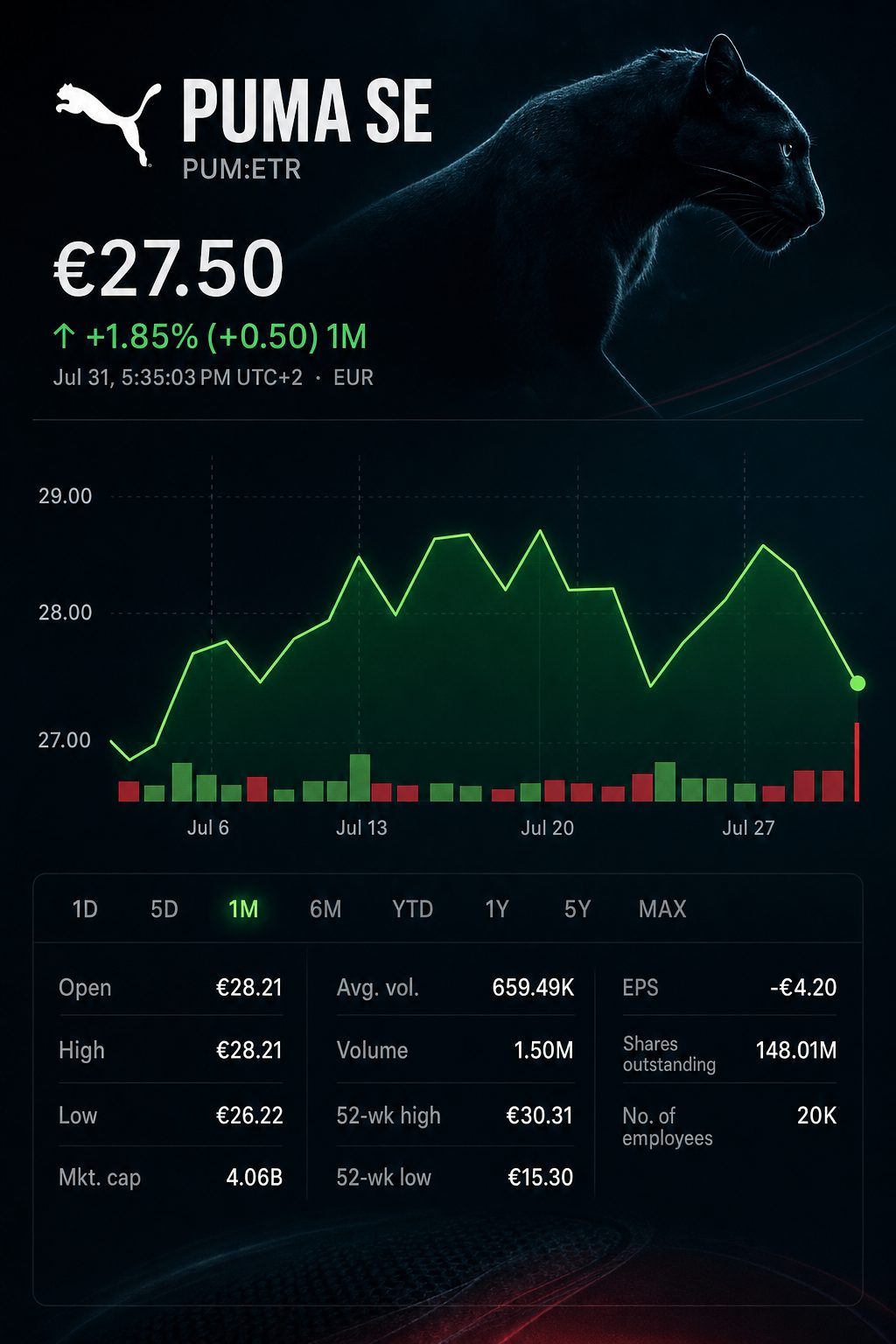
- Puma shares ended Friday at €27.50, falling 2.48%. Over the past five sessions, the stock declined 1.75%.
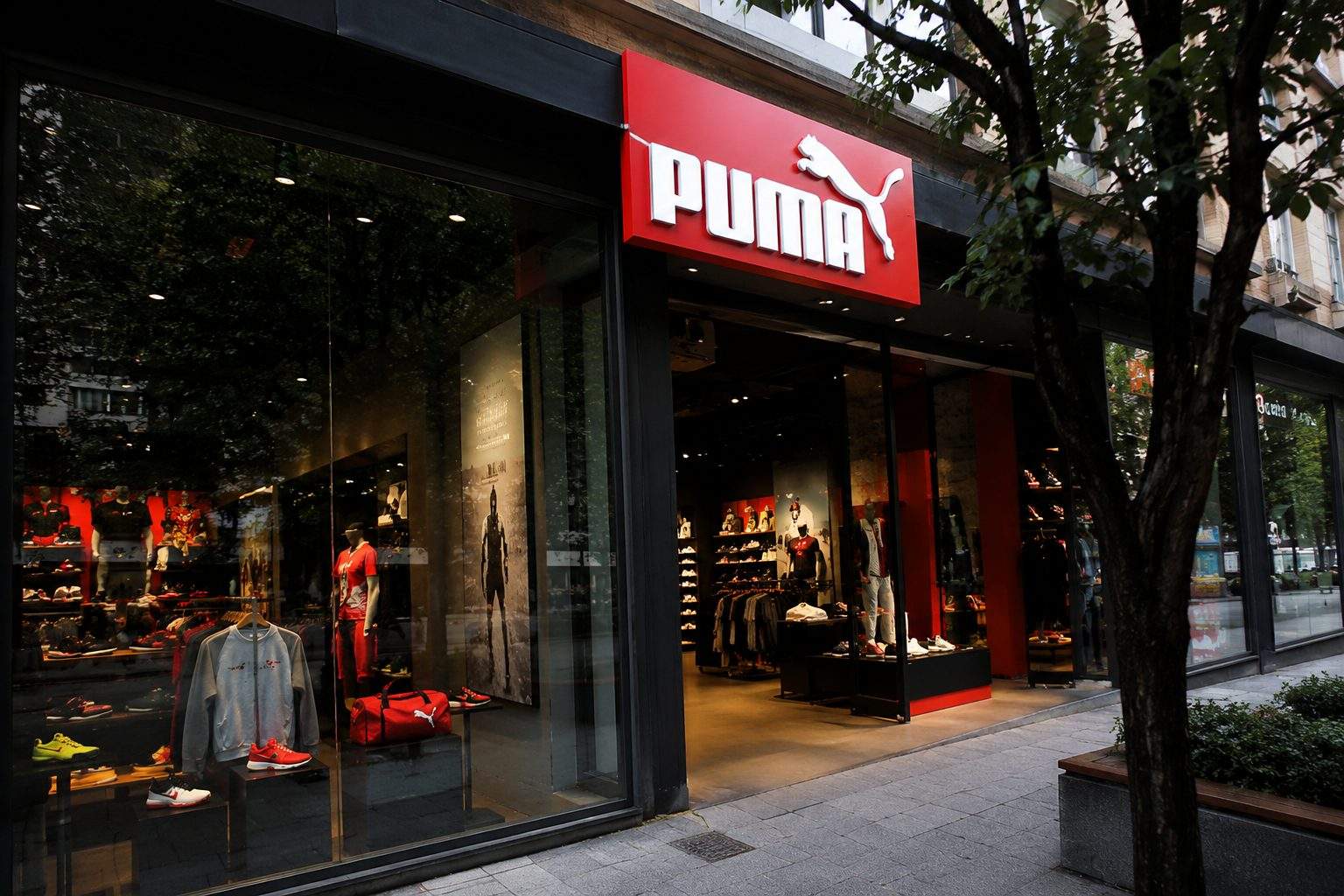
Puma’s stock dropped 2.48% on Friday following a mixed second-quarter result. Although reported EBIT increased by €56.0 million, adjusted EBIT declined by €17.4 million.
The variation was due to reduced one-time charges, which decreased by €73.4 million, more than covering the total gain in reported EBIT. Demand continued to be soft.
The difference is significant following this year’s surge. Puma rose 23.3% for the week in 2026, which narrows the margin for maintaining the current forecast.
The quarter was measured against Puma’s pre-earnings poll. The consensus numbers are initial forecasts as of July 14.
| Q2 metric | Actual | Preliminary consensus | Q2 2025 |
|---|---|---|---|
| Sales | €1,690.6m | €1,670.1m | €1,871.3m |
| Currency-adjusted sales change | -9.4% | -9.1% | — |
| Gross margin | 48.0% | 47.0% | 46.2% |
| Adjusted EBIT | -€41.9m | -€54.8m | -€24.5m |
| Reported EBIT | -€53.1m | -€68.7m | -€109.1m |
Sales reported came in €20.5 million, or 1.2%, above consensus expectations. However, the currency-adjusted decrease was 0.3 percentage point below estimates. Gross margin surpassed the survey by 100 basis points.
The earnings bridge details where the main gains stem from.
| Q2 metric | 2026 | 2025 | Year-on-year movement |
|---|---|---|---|
| Reported EBIT | -€53.1m | -€109.1m | +€56.0m |
| Adjusted EBIT | -€41.9m | -€24.5m | -€17.4m |
| One-time charges | €11.2m | €84.6m | -€73.4m |
| Free cash flow | €328.8m | €94.9m | +€233.9m |
| Capital expenditure | €15.8m | €53.1m | -€37.3m |
| Inventories at June 30 | €1,821.1m | €2,151.1m | -€330.0m |
The €11.5 million tariff advantage was close to the €12.9 million adjusted EBIT outperformance. Tariffs contributed 60 basis points to the 180 basis point improvement in margin, with the remaining 120 basis points attributed to other sources.
Cost reduction trailed behind the decline in sales. Adjusted operating expenses dropped by 4.0%, while reported sales slipped by 9.7%. The sales ratio increased to 51.6%, up from 48.6%.
Wholesale revenue declined 14.0% on a constant currency basis. Direct-to-consumer sales rose 0.4%, increasing their proportion by 3.1 percentage points to 35.2%. Asia-Pacific posted an 8.6% rise, while both EMEA and the Americas recorded double-digit drops.
The strongest gains came in cash generation. Free cash flow increased by €233.9 million, driven by reduced inventory and investment levels. The majority of scheduled 2026 capital expenditures are still planned for the second half.
Chief Executive Arthur Hoeld anticipates sales will “improve sequentially in the second half of 2026.” The company maintained its full-year guidance. Puma continues to forecast a low-to-mid-single-digit decline in sales and expects an EBIT loss ranging from €50 million to €150 million. Puma
The distance to Adidas (ETR:ADS) stayed significant. The competitor announced its highest-ever quarterly revenue a day before.
| Q2 2026 comparison | Puma | Adidas |
|---|---|---|
| Constant-currency sales shift | -9.4% | +14.0% |
| Direct-to-consumer sales difference | +0.4% | +25.0% |
| Gross profit margin | 48.0% | 52.5% |
| Operating profit margin | -3.1% | 8.5% |
| Share price move on result day | -2.48% | -11.52% |
| 2026 sales forecast | Low-to-mid-single-digit drop | 9%-10% increase |
The contrasting responses indicate investors were attentive to earnings quality and future projections. Adidas increased its sales forecast, yet failed to meet profit forecasts. Puma surpassed EBIT projections, but did not revise its outlook upwards.
Felix Dennl, an analyst at Metzler, said he would “not rule out some profit taking.” Puma shares dropped as much as 7% during the session before paring losses. Reuters
Puma is not set to hold any corporate events in the coming week. The market will look to estimate changes for direction. The company’s next official update is its third-quarter statement, due on October 30.
Risks continue to focus on subdued demand in Europe and North America. Ongoing disruption in the Middle East and the pace of inventory management contribute further unpredictability. Net debt was reported at €1.10 billion, and the outcome of additional tariff refunds is still subject to legal resolution.
Related articles: Earnings







![Australia Stock Market Today 08.22.2026 [UPDATE: 08.22.2026 08:37 AEST] [Weekly Recap and Week Ahead: Healthcare Leads, CPI Looms]](https://ts2.tech/wp-content/uploads/2026/08/AU-market-dashboard-2026-08-22-0837-480x384.jpg "Australia Stock Market Today 08.22.2026 [UPDATE: 08.22.2026 08:37 AEST] [Weekly Recap and Week Ahead: Healthcare Leads, CPI Looms]")