
BANGKOK, June 26, 2026, 16:01 (ICT)
- Shares of Thai Union Group Pcl (BKK:TU) slipped 0.9% to 11.50 baht. The Stock Exchange of Thailand continued to show the stock as open at 16:01 ICT.
- The Red Lobster lawsuit listed a creditor pool of about $295 million, or roughly 9.85 billion baht using Friday’s dollar/baht rate.
- The trust wants to unwind $32 million in 2023 deals, an amount near Thai Union’s Q1 net profit of 1.1 billion baht.
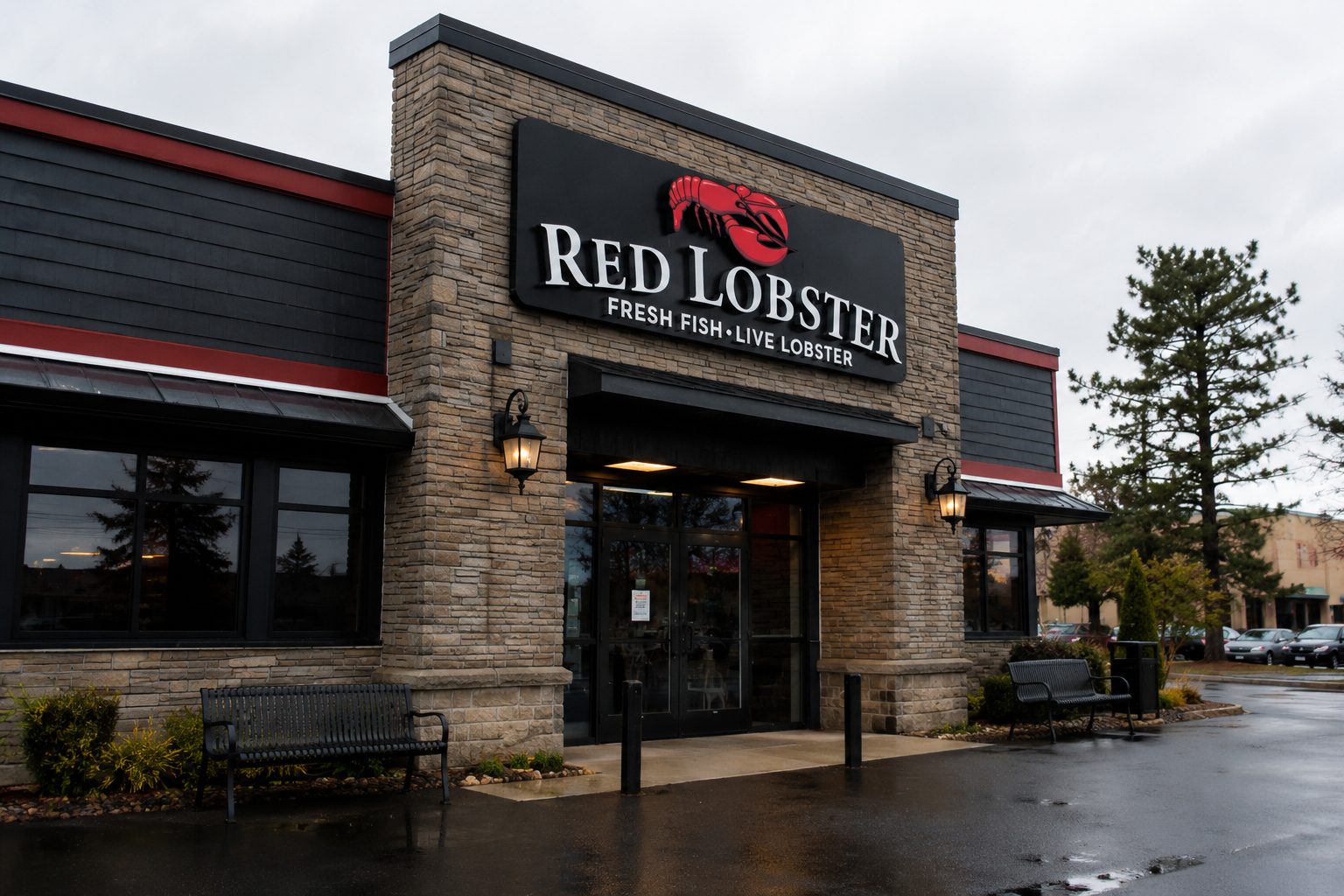
Red Lobster’s bankruptcy is now weighing directly on Thai Union Group Pcl (BKK:TU) shares. The trust at the center of the case holds creditor claims of about $295 million—around 9.85 billion baht at Friday’s exchange, close to 20% of Thai Union’s equity, calculated from a 49 billion baht market cap, SET price, and Google Finance’s 4.26 billion shares count.
Thai Union slipped 0.10 baht to 11.50 baht as of 16:01 ICT, according to SET. Shares moved between 11.50 and 11.60 baht through the day, with 48.5 million baht in turnover. Market was still open.
A creditor-owned trust sued Thai Union and some executives last month in Florida, saying they drained Red Lobster for the benefit of the Bangkok seafood company. The complaint asks for a jury trial to decide damages. It puts the creditor pool at $295 million, but that is not a set damages number.
Thai Union forced Red Lobster to buy extra shrimp on terms that “made no economic sense,” the complaint states, taking a limited-time offer and, as the suit puts it, turning it into “a car crash.” The filing also says the permanent $20 shrimp promotion pulled diners away from more expensive menu items and led to shrimp shortages in stores. Claims Journal
Investors have a smaller figure to focus on. The trust wants to unwind $32 million in deals from 2023, which it claims Thai Union and others pushed Red Lobster into. That’s about 1.07 billion baht at Friday’s rate, nearly the same as Thai Union’s 1.1 billion baht net profit for Q1.
Thai Union wanted out of Red Lobster. In January 2024, the company called Red Lobster’s funding needs a mismatch for its capital plans. Thai Union took an 18.5 billion baht non-cash impairment, about 38% of its current equity. Technomic’s Kevin Schimpf told SeafoodSource then that Red Lobster’s problems, and the fact that restaurants aren’t Thai Union’s core seafood-supply business, “don’t bode well for any publicly traded company.” SeafoodSource
Thai Union rejects any wrongdoing. The Bloomberg story in Claims Journal said both Thai Union and its U.S. legal team did not reply to comment requests; Red Lobster also stayed silent.
The lawsuit copies arguments seen in old bankruptcy filings. Jonathan Tibus, Red Lobster’s CEO at the time and known for turnarounds, said in 2024 that “Thai Union exercised an outsized influence on the company’s shrimp purchasing” after Endless Shrimp became permanent and Red Lobster dropped other breaded-shrimp suppliers. Reuters
Thai Union’s main business picked up. The firm said May 5 that Q1 sales climbed 7.6% to 32.1 billion baht. Operating profit gained 29% to 1.2 billion baht, and net profit grew 9.2% to 1.1 billion baht. Chief Executive Thiraphong Chansiri said, “PetCare and Frozen maintained strong momentum” as transformation costs dropped again. Sustainable Seafood Company | Thai Union
Red Lobster became privately held after it came out of Chapter 11 in September 2024, now under RL Investor Holdings LLC. The group is backed by funds from Fortress Investment Group, TCW Private Credit and Blue Torch. CEO Damola Adamolekun said then that the new owners had “a history of making successful investments in restaurants” and were planning to put in more than $60 million. Fortress Investment Group
Stock reaction ties to the gap between old write-offs and new recovery claims. The earlier $11 million Endless Shrimp charge came to around 367 million baht at Friday’s rate. Now the $32 million clawback demand is almost triple that. The creditor pool is about nine times Thai Union’s Q1 profit.
Related articles: Stock Market