
WASHINGTON, June 2, 2026, 08:08 (EDT)
Supreme Court wants Trump administration input on Robinhood IPO lawsuit
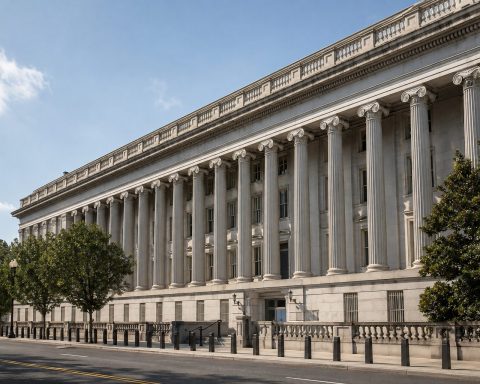
The U.S. Supreme Court has asked the Trump administration to give its opinion on whether to take up Robinhood Markets’ push to end an investor lawsuit tied to the company’s 2021 IPO. According to the court docket, the justices on June 1 invited the solicitor general to submit a brief with the U.S. government’s position on the case.
Timing is key here as the fight goes past Robinhood. The question is whether a company doing an IPO has to put out still-incomplete financial numbers ahead of the usual deadline, at a time when the SEC is also looking at whether public firms could move from quarterly to semiannual reporting.
Section 11 of the Securities Act of 1933 is at issue, allowing investors to sue if registration statements have false or misleading info. Item 303 also plays a role, since it tells companies to discuss trends or uncertainties that could impact results. SCOTUSblog says the court is looking at whether leaving out interim data can trigger liability and if Item 303 forces companies to disclose and quantify before the quarter ends.
Robinhood is facing a lawsuit from investors Vinod and Amee Sodha, who bought shares tied to the IPO. The couple argues Robinhood didn’t tell the market that activity in meme stocks and Dogecoin was already tapering off before its July 2021 debut, which hit revenue and operating numbers after the listing.
Robinhood pushed back on the allegations, saying it told investors in its IPO filings that trading activity in early 2021 was unusually high thanks to meme stocks and crypto, like GameStop and Dogecoin, and could drop.
Judge Edward Chen tossed the case in San Francisco federal court in 2024, ruling the claims fell short. But the 9th Circuit brought the lawsuit back last year, saying the district court had applied the wrong legal rules.
Alston & Bird lawyers Susan E. Hurd and Madeleine Juszynski Davidson said earlier this year the 9th Circuit decision “departs from other circuits” on Section 11 and could push the Supreme Court to clarify rules around intra-quarter disclosures, or financial figures from quarters before they’re fully reported. Alston & Bird
Professor Joseph A. Grundfest, who once served as an SEC commissioner and teaches at Stanford Law, filed an amicus brief supporting Robinhood. He said the 9th Circuit decision effectively changed “periodic disclosure” into a demand for “quasi-continuous disclosure,” arguing that securities law does not make companies provide constant updates on incomplete quarter-to-date figures. The brief said Grundfest has done consulting work for Robinhood before, but has no current financial tie to any party in the case. Supreme Court
Robinhood faces risk here. A call for the solicitor general’s input doesn’t guarantee the case gets taken up, and the justices may still turn down the petition after the government weighs in. If so, the 9th Circuit’s ruling stands, letting the investor lawsuit proceed.
The case doesn’t put Robinhood up against its trading rivals, though other brokerages and crypto names are likely paying attention. Robinhood traded at $90.73 before the U.S. open. Charles Schwab and Interactive Brokers both booked gains in early action, but Coinbase slipped.
Robinhood argued to the Supreme Court that the 9th Circuit’s stance could open companies up to big liability and require them to reveal less meaningful information, making it harder for investors to spot important details. But investors countered that the missing trend was central to Robinhood’s pre-IPO growth story, not a minor omission.
Supreme Court punts timing to solicitor general in Robinhood case
The ball is now with the solicitor general after the Supreme Court left the docket open with no set deadline. Robinhood, the plaintiffs, and IPO lawyers are waiting while the government weighs how much reach federal securities law should have.
Related articles: NASDAQ:HOOD