
Milpitas, California, June 1, 2026, 11:03 (PDT)
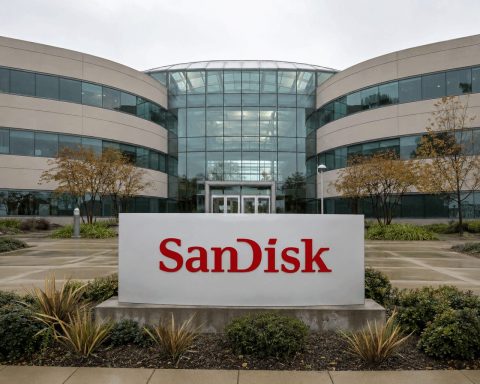
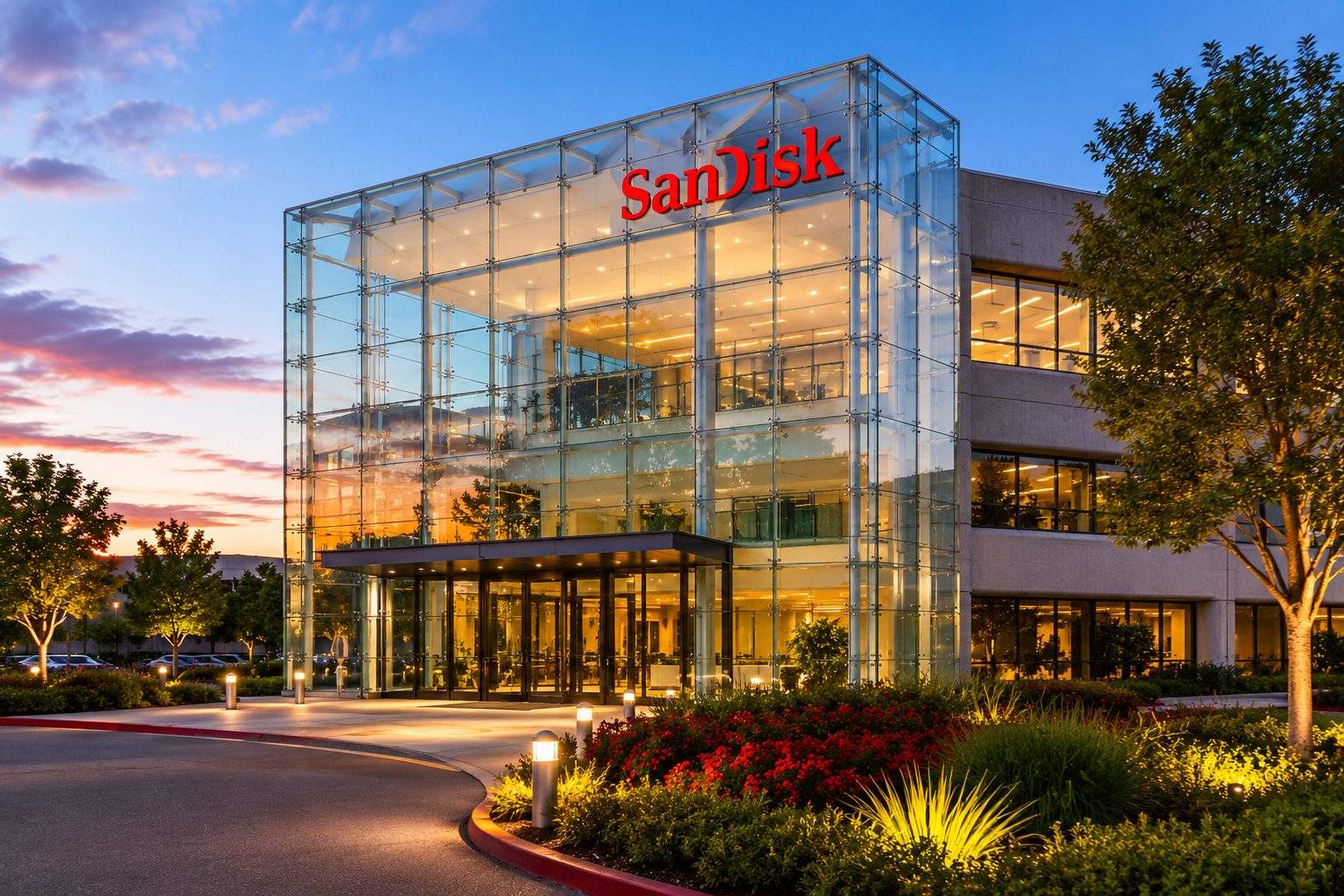
Susquehanna raised its price target on SanDisk to $3,250 from $2,000, the latest big Wall Street reset for a memory stock that has already stretched far beyond most earlier forecasts. SanDisk shares were last quoted at $1,768.85 in Monday trading, up $73.87 from the previous close.
The call matters because investors are trying to decide whether SanDisk is still a cyclical chip stock or something closer to an artificial-intelligence supply bottleneck. NAND flash memory, the chip-based storage used in solid-state drives, has become harder to source as AI systems handle larger files, longer prompts and more stored data.
The numbers behind the rally are no longer small. SanDisk reported fiscal third-quarter revenue of $5.95 billion, up 251% from a year earlier, with data center revenue up 645% to $1.47 billion. The company also forecast fourth-quarter revenue of $7.75 billion to $8.25 billion and non-GAAP diluted earnings per share of $30 to $33.
Chief Executive David Goeckeler has tried to frame the shift as more than a pricing spike. “The bane of this industry has been the boom-bust cycle,” he told Reuters, adding: “We want consistent, predictable economics.” The company has signed five long-term supply agreements, including three worth a combined $42 billion. Reuters
Susquehanna analyst Mehdi Hosseini’s latest move came after he cited “growing confidence” that margins in computer memory can hold up for longer, according to a report on Monday. He also expects tight memory supply through 2027, keeping prices elevated as AI inference — when AI systems answer queries rather than train models — keeps expanding. The Motley Fool
Others have moved too, though not as far. Barclays analyst Tom O’Malley upgraded SanDisk to Overweight and raised his target to $2,300 from $1,200, saying memory and storage had become “the most attractive vertical below accelerators,” a reference to chips such as graphics processors that run AI workloads. Barclays pointed to long-term agreements, price floors and some prepayments as signs the sector is changing. Investing.com
O’Malley also described SanDisk as “the most aggressive and structurally innovative in its contracting approach.” A separate Barclays-linked report said the three most recent contracts carry about $42 billion in minimum revenue, backed by more than $11 billion in financial guarantees across five deals, with the longest running to 2031. TradingView
Mizuho’s Vijay Rakesh raised his SanDisk target to $1,825 from $1,625 and kept an Outperform rating, according to a report citing the firm’s note. Mizuho lifted its fiscal 2027 revenue estimate for SanDisk to $45.3 billion and said NAND demand was not slowing, with non-AI customers still undersupplied by 30% to 50%.
An investor analysis published on Seeking Alpha argued SanDisk could keep rising even if NAND prices cool, pointing to data center growth, the Kioxia joint venture and the company’s $6 billion buyback authorization. SanDisk and Kioxia extended their Yokkaichi joint venture through 2034 in January, with SanDisk agreeing to pay Kioxia $1.165 billion for manufacturing services and continued supply availability.
The trade is broader than one stock. Micron briefly topped $1 trillion in market value last week as AI demand pushed investors into memory suppliers, with B. Riley Wealth strategist Art Hogan saying “the need for pure memory” had risen rapidly. Western Digital and Seagate have also signaled strong enterprise storage demand tied to AI data centers. Reuters
But this is still memory. A faster cooling in NAND prices, weaker AI storage orders or customers testing those long-term contracts would hit the bullish case. Barchart noted that many analyst targets still sit below SanDisk’s share price, leaving the debate less about whether the business improved and more about whether the next leg can justify what investors have already paid.
SanDisk’s short life as a standalone public company adds another wrinkle. The company was created to hold Western Digital’s flash business after the separation, and Western Digital stockholders received SanDisk shares in the distribution in February 2025. That makes this rally not just a memory-cycle story, but also one of the fastest repricings of a newly independent chip company on the U.S. market.
Related articles: NASDAQ:WDC