
TORONTO, June 19, 2026, 14:06 (EDT)
- Shopify shares on the Toronto exchange dropped 1.1% to C$152.06 early this afternoon. Its Nasdaq stock was closed for the Juneteenth holiday.
- U.S.-listed shares finished at $108.85 on June 18, barely moving for the shortened U.S. week after slumping sharply midweek.
- Shopify’s latest AI rollout and bigger $5 billion buyback are now in focus as the next test for sentiment, after investors raised questions on its Q2 growth and cash flow forecast.
Shopify Inc. shares in Toronto traded lower on Friday. The Nasdaq stock didn’t move because of the Juneteenth holiday, creating a split view for investors after a volatile week for the Canadian commerce firm. TSX shares fell 1.1% to C$152.06 as of 1:48 p.m. EDT, according to Google Finance.
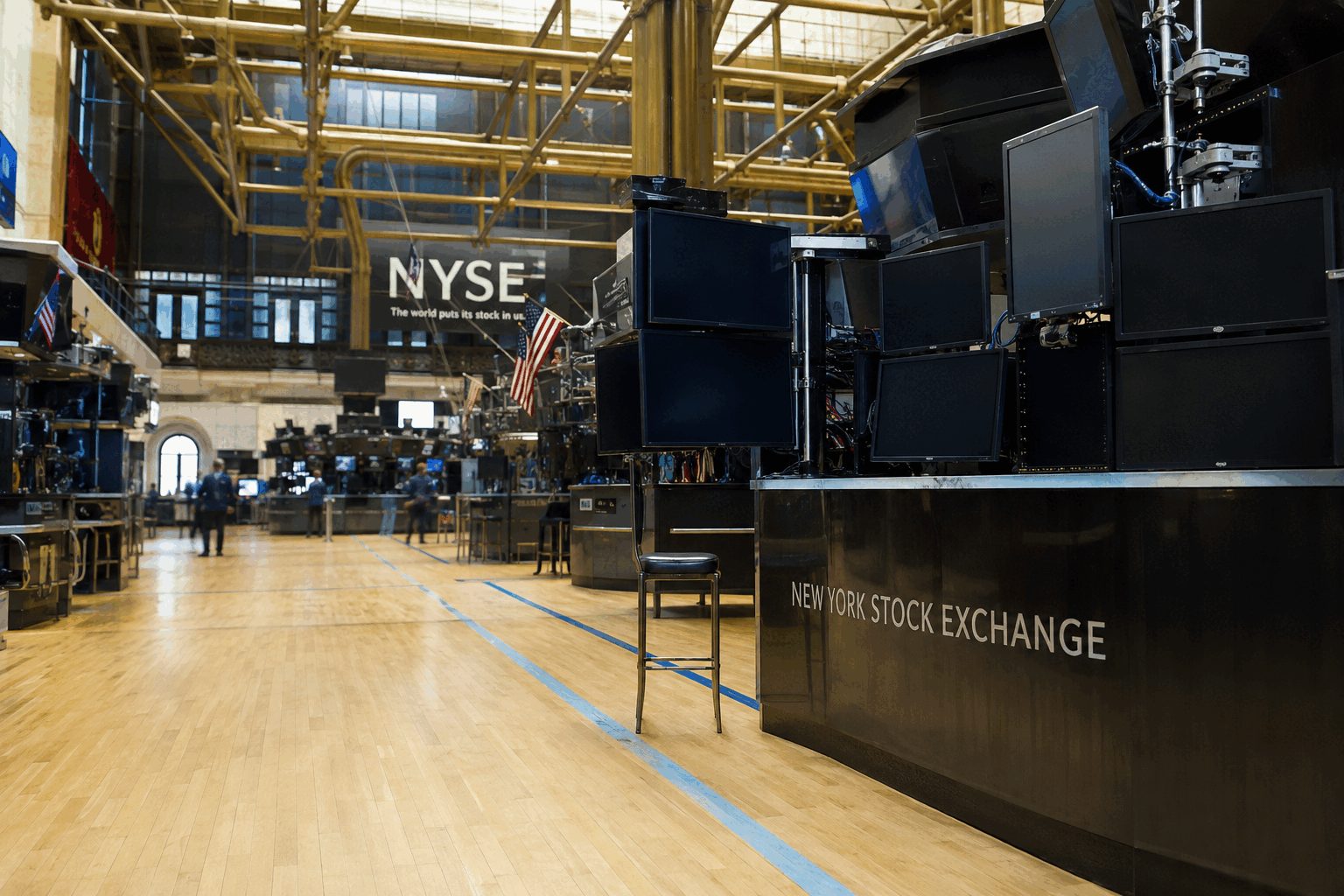
Shopify heads into the U.S. holiday break stuck near the same range. The stock finished Nasdaq trading Thursday at $108.85, up 0.70%. That’s just above where it closed June 12, $108.24. It had dropped 4.54% on Wednesday. Nasdaq will close June 19, 2026 for Juneteenth, according to StockAnalysis.
TSX flat as energy rise meets gold miner drop
The S&P/TSX Composite index was mostly steady in late morning, Reuters said, as strength in energy stocks balanced out declines in gold miners. Caution stayed high among investors, still watching for any news on Middle East peace and crude moves. By later in the day, Google Finance had the TSX down 0.08% to 34,942.15.
Shopify’s stock traded between two stories this week. The company is pitching agentic commerce, where shopping decisions happen through AI agents. But the market isn’t sure. Investors are debating if this move will drive up costs or disrupt Shopify’s old software approach, or do both.
Shopify put out its Spring ’26 Edition on June 17, rolling out over 150 updates. Among the changes: Shopify Catalog and Universal Commerce Protocol, or UCP, tools that aim to let products appear across AI-powered channels. Shopify says UCP is its suggested standard for letting AI agents interact with merchants during shopping.
Shopify has set stricter rules for Sidekick app extensions, the tools that connect outside apps to its AI assistant. Now, Shopify says extensions need to stick to their advertised purpose. The company will not allow them to show promotions, ads, or cross-sell other services through Sidekick.
That’s the product case. On the capital side, there’s the buyback. Shopify announced June 2 that its board increased the buyback plan by $3 billion, bringing the total authorization to $5 billion. By June 1, the company said it had already bought back about $1.45 billion. CFO Jeff Hoffmeister said the step showed “confidence in the durability” of Shopify’s business. SEC
Growth is the bigger issue. Shopify posted first-quarter revenue at $3.17 billion, a 34% gain, and GMV of $100.74 billion. For the current quarter, management is guiding to revenue growth in the high twenties and a free cash flow margin in the mid-teens. Free cash flow is what’s left after capex.
President Harley Finkelstein told investors in May that Shopify had moved into the AI era with “a clear edge.” CFO Jeff Hoffmeister said the first quarter brought growth across regions, merchant sizes and channels. But so far, the market isn’t fully convinced. A buyback can help earnings per share and show management is confident, but it doesn’t prove AI-driven shopping will push up merchant demand ahead of rising investment. Shopify
Competition is picking up. Shopify is marketing itself as the backbone for merchants selling on websites, in shops, on marketplaces, and through AI agents. Amazon, Etsy, and BigCommerce are still the main names for sellers thinking about where to focus their time and money. Investors in the U.S. will soon see if Friday’s Toronto drop was just thin holiday trading, or a fresh signal that software stocks have more to prove.
There’s a clear risk for Shopify. If more shoppers go to the big platforms because of AI, if consumer spending slows, or if Shopify’s forecast for the second quarter misses, the stock may keep sliding even with a buyback. Shopify said growth, expenses, consumer spending, trade moves, and new tech like AI all could make results miss what it expects.