
New York, July 8, 2026, 17:02 (EDT)
- Screendollars claims SiriusXM’s newer star-and-“S” logo copies its trademark.
- SiriusXM stock fell Wednesday after hitting a 52-week high on Tuesday.
- SiriusXM’s next test for investors is on July 30, when the company posts Q2 results.
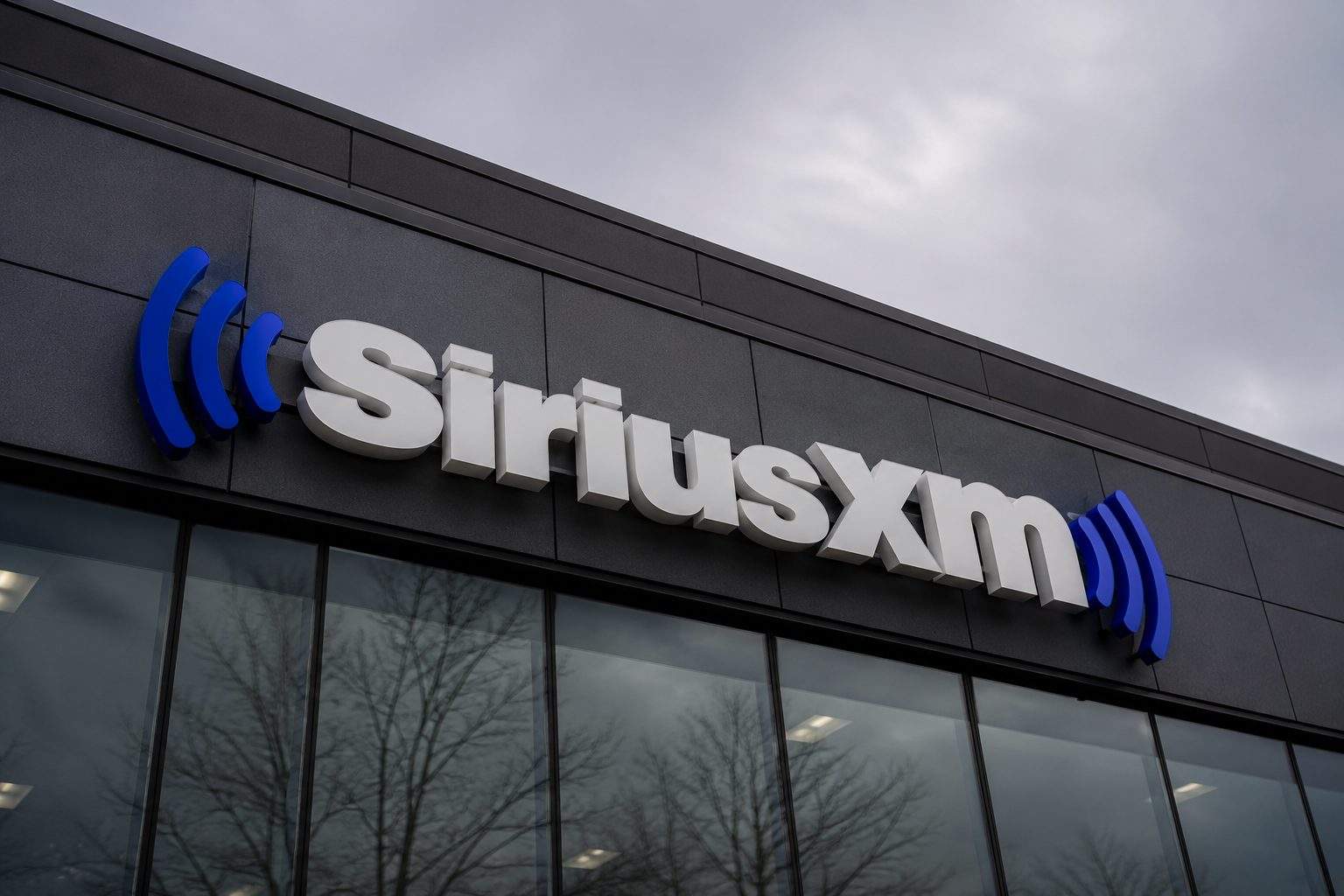
Sirius XM Radio Inc. is facing a lawsuit from Screendollars LLC, a media company in the movie industry, over its new logo. Screendollars alleges the updated Sirius XM logo copies its long-used design featuring a star inside an “S”.
The case comes as Sirius XM Holdings shares hit a 52-week high. Investors are again looking at the same trade-off: solid cash flow, but sluggish subscriber growth and more rivals in cars, podcasts and streaming audio.
Screendollars sued Sirius XM Radio and Pandora Media in the U.S. District Court for the District of Massachusetts on July 6, alleging trademark infringement. According to the complaint, SiriusXM’s logo released in its 2023 update looks too much like the Screendollars mark, which the smaller company says it has used nonstop since 2022. The suit claims this could cause confusion over who is offering the product or service.
Both designs at issue use an “S” and a star. Screendollars said its logo has a gold five-pointed star set inside the letter. RBR-TVBR reported the mark got registered with the U.S. Patent and Trademark Office on Dec. 24, 2024. The complaint claims SiriusXM put out a number of similar marks on its website, app, social media and through CarPlay. Radio & Television Business Report
Screendollars is suing Sirius XM in a trademark case under the Lanham Act and state laws in Massachusetts, New York and California. The company wants a permanent injunction, its profits, damages, and the cancellation of SiriusXM trademark filings on the mark. It’s also asking for attorneys’ fees. Law360 lists the lawsuit as Screendollars LLC v. Sirius XM Radio Inc. et al., No. 1:26-cv-13093, with U.S. District Judge Patti B. Saris presiding.
Screendollars and SiriusXM hadn’t put out public comments on the lawsuit as of press time, according to RBR-TVBR. A PacerMonitor docket entry listed a 54-page complaint and a July 6 filing date.
SiriusXM shares ended Wednesday at $30.26 on Nasdaq, down 1.47%. The stock touched a 52-week high of $31.42 on Tuesday. FactSet consensus from WSJ showed a “Hold” rating and an average price target of $27.62, under the closing level. The Wall Street Journal
Sirius XM Holdings Inc. says it will report its Q2 operating and financial results on July 30, with a call at 8 a.m. ET. The company says it has roughly 255 million monthly listeners across its SiriusXM and Pandora platforms, plus podcasts and ad services.
The legal fight isn’t the only story. The Motley Fool on Tuesday compared SiriusXM with Roku, calling SiriusXM the value choice with a focus on dividends and cash. Roku, after the Fox deal, is being talked up for more upside from M&A. Roku is in connected TV, streaming shows over the internet to smart TVs and devices. SiriusXM is still mainly about car radios, subs and audio ads.
Fox said last month it would buy Roku for about $22 billion, a deal that brings Roku’s streaming platform and its 100 million-plus households over to Fox. The move has thrown a spotlight on the divide between video services posting big growth and audio firms working to keep subscribers paying.
SiriusXM posted numbers that looked steady in the first quarter. Revenue was up 1% to $2.09 billion. Net income climbed 20% to $245 million. Free cash flow jumped to $171 million, more than tripling as the company kept a lid on costs and capital spending. CEO Jennifer Witz said this was a “strong start in 2026.” CFO Zac Coughlin said SiriusXM is making “solid progress” on cost cuts and work on debt. SEC
SiriusXM could run into costs, damages or even a logo change if Screendollars gets early relief. But if the court decides customer confusion isn’t likely, the suit might just slip into the background. The greater risk for investors still looks like it’s on the operations side: things like weaker subscriber numbers, slowdowns in the car market, or bigger moves from Spotify and YouTube’s audio platforms.
Related articles: Technology