
WASHINGTON, July 1, 2026, 11:03 EDT
- July carries six Social Security or SSI deposit dates, versus five in June and four in August.
- About $11.5 billion of SSI cash, using May’s SSA run rate, lands in July’s calendar; half is August’s payment.
- The read-through is timing: daily card spend, deposit balances and weekly retail data can move without a change in total benefit income.
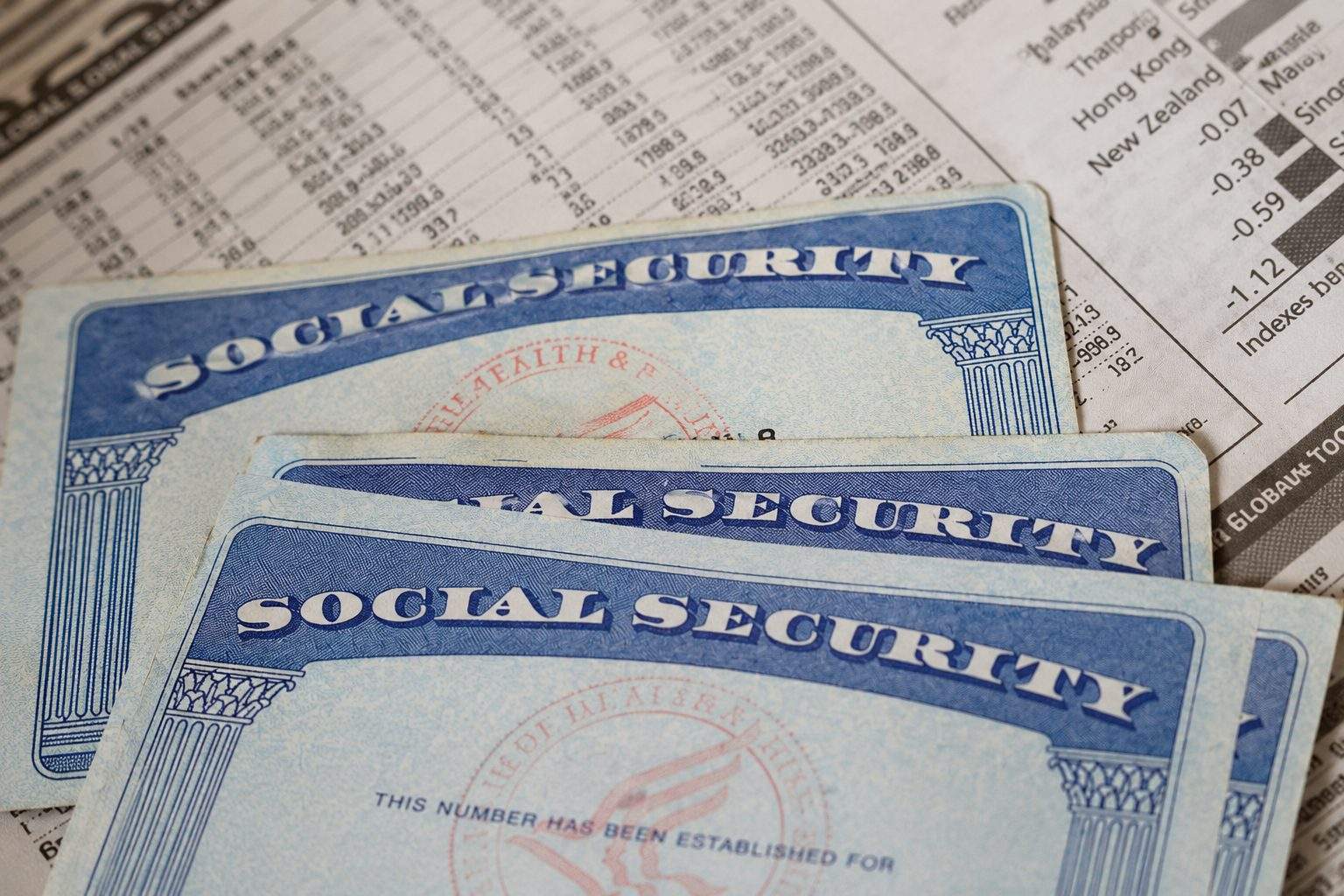
The July Social Security calendar is a cash-timing story for markets. It pulls one August Supplemental Security Income payment into July. It also moves the usual July 3 Social Security date to July 2, so benefit cash hits at both ends of the month.
The July 1 payment covers SSI. The July 2 payment covers beneficiaries who started before May 1997 and other exception groups, because the government observes Independence Day on July 3 this year. The standard Social Security birthday waves land on July 8, July 15 and July 22. The August SSI payment goes out July 31 because Aug. 1 falls on a Saturday.
The pattern compares with June and August this way, based on the SSA calendar.
| Calendar month | Social Security/SSI deposit dates visible in the month | Investor read-through |
|---|---|---|
| June 2026 | June 1, 3, 10, 17, 24 | Five-date base month |
| July 2026 | July 1, 2, 8, 15, 22, 31 | Six dates; August SSI is pulled into July |
| August 2026 | Aug. 3, 12, 19, 26 | Four dates; no Aug. 1 SSI cash |
Using the latest SSA monthly snapshot as a run rate, the SSI calendar alone puts about $11.47 billion of SSI deposits into July, although half of that is the August payment. SSA reported $5.736 billion in SSI payments in May and $137.801 billion in monthly Old-Age, Survivors and Disability Insurance benefits, for a combined $143.537 billion monthly benefit flow. The unique count of people receiving Social Security, SSI or both was 75.632 million.
| Item | May 2026 count | Monthly dollars | Market use |
|---|---|---|---|
| All people receiving Social Security, SSI or both | 75.632 million | n/a | Size of household base |
| OASDI Social Security benefits | 71.233 million | $137.801 billion | Broad monthly benefit flow |
| SSI | 7.323 million | $5.736 billion | Low-income pay-date pulse |
| Two July SSI dates at May run rate | n/a | ~$11.472 billion | July cash timing, not extra income |
It matters for investors because the calendar can shift daily card spend and bank balances without changing benefit income. Late-July spending by benefit-linked households can look stronger because August SSI is early. Early-August spending can look softer because that cash already arrived.
The base is still getting larger. The Congressional Budget Office estimated Social Security benefit outlays at $1.093 trillion for October through May of fiscal 2026, up $57 billion, or 5%, from a year earlier after timing-shift adjustments.
The payment channel adds a bank angle. SSA said federal benefits have been required to be paid electronically since Sept. 30, 2025, and Social Security plans to complete its transition to electronic payments for all beneficiaries this year. People without bank accounts can use Direct Express, the Treasury-backed prepaid debit card program.
New Direct Express card enrollments with Fifth Third Bank, a unit of Fifth Third Bancorp NASDAQ:FITB, began in May 2026. Existing cardholders are due to transition later this year or early next year, and SSA told beneficiaries to keep contact information current.
Direct Express serves about 3.4 million Americans, and 57% of cardholders have no income beyond government benefits, Fifth Third said. Fiscal Service Commissioner Tim Gribben said Direct Express “plays a critical role” in benefit delivery. Fifth Third executive Bridgit Chayt said the bank wants to “make banking more accessible.” Mastercard NYSE:MA remains the card network. Fifth Third Bank
Market data showed Fifth Third Bancorp at $57.43, up $1.06, and Mastercard at $525.08, up $11.48, at about 10:48 a.m. ET.
For August, the calendar points the other way. The SSI money that normally would be seen at the start of August is dated July 31, so early-August payment-card reads from benefit-heavy cohorts should be checked against the pay date before being read as demand.