
NEW YORK, July 16, 2026, 13:11 EDT — Markets are now open in the U.S.
SpaceX was at $133.20 as of 12:56 p.m. EDT, dropping 1.3% from the $135 offer price. The first lockup release could raise its tradable share count by 143%.
That’s key since Ortex puts 49% of the current free float out on loan. The firm says most of those shares back short positions.
SpaceX put out 638.9 million Class A shares in June. Based on Ortex’s ratio, about 313 million shares are now out on loan.
The first wave could see 911.5 million more shares hit the market. That’s 143% of the IPO shares.
| Investor-flow measure | Current pool | After first release* |
|---|---|---|
| Potentially tradable shares | 638.9 million | 1.55 billion |
| Newly eligible shares | — | 911.5 million |
| Increase in tradable pool | — | 143% |
| Implied shares on loan | About 313 million | About 313 million |
| Loaned shares as pool share | 49% | About 20% |
Scenario is based on IPO shares and the first lockup release, assuming all eligible shares could trade while borrowing stays flat. This is not an actual sales forecast.
This shifts the trade. Scarcity pushes up squeeze risk ahead of the release. New supply might take that down after.
“The bears kept selling all the way down instead of taking profits,” said Ortex co-founder Peter Hillerberg. Ortex puts the short sellers’ paper gains at $8.7 billion since the IPO. Reuters
Crowding in the trade can still hurt both sides. Ortex puts the exposure at more than $300 million for shorts with every $1 move. If the stock bounced 10%, shorts would be down about $4 billion.
SpaceX is still down about 41% from the post-IPO peak of $225.64. Shares are trading at roughly 49 times expected revenue. “We won’t overweight it because they do have the lockup coming,” Infrastructure Capital Advisors CEO Jay Hatfield said, according to Reuters.
Dropping below the IPO price isn’t the whole story long term. Data from Jay Ritter show 44.5% of big IPOs traded under water after three years. Reuters checked 50 IPOs and saw early laggards mostly kept underperforming, with a median return of 61% compared to 112% for stronger listings.
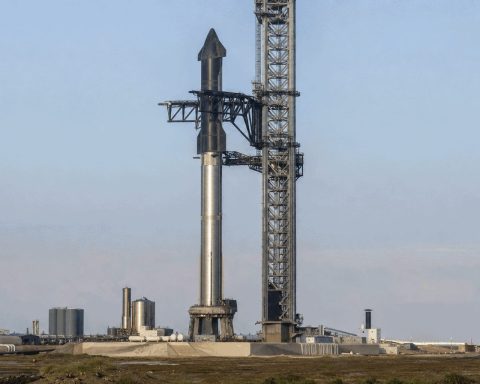
Starship is set for its 13th test after the close, with liftoff planned for 6:45 p.m. EDT. SpaceX says the flight will try to deploy real Starlink V3 satellites for the first time.
The risks go both ways. Another failed launch or big selling by new holders could push losses further. If execution is better, it could force shorts to cover quickly, since short interest is high.
For investors, $135 is really just a symbolic line. The real move is getting the timing right, whether that’s covering demand before the release or catching new supply after.
Related articles: NASDAQ:SPCX