
WASHINGTON, April 21, 2026, 09:34 EDT
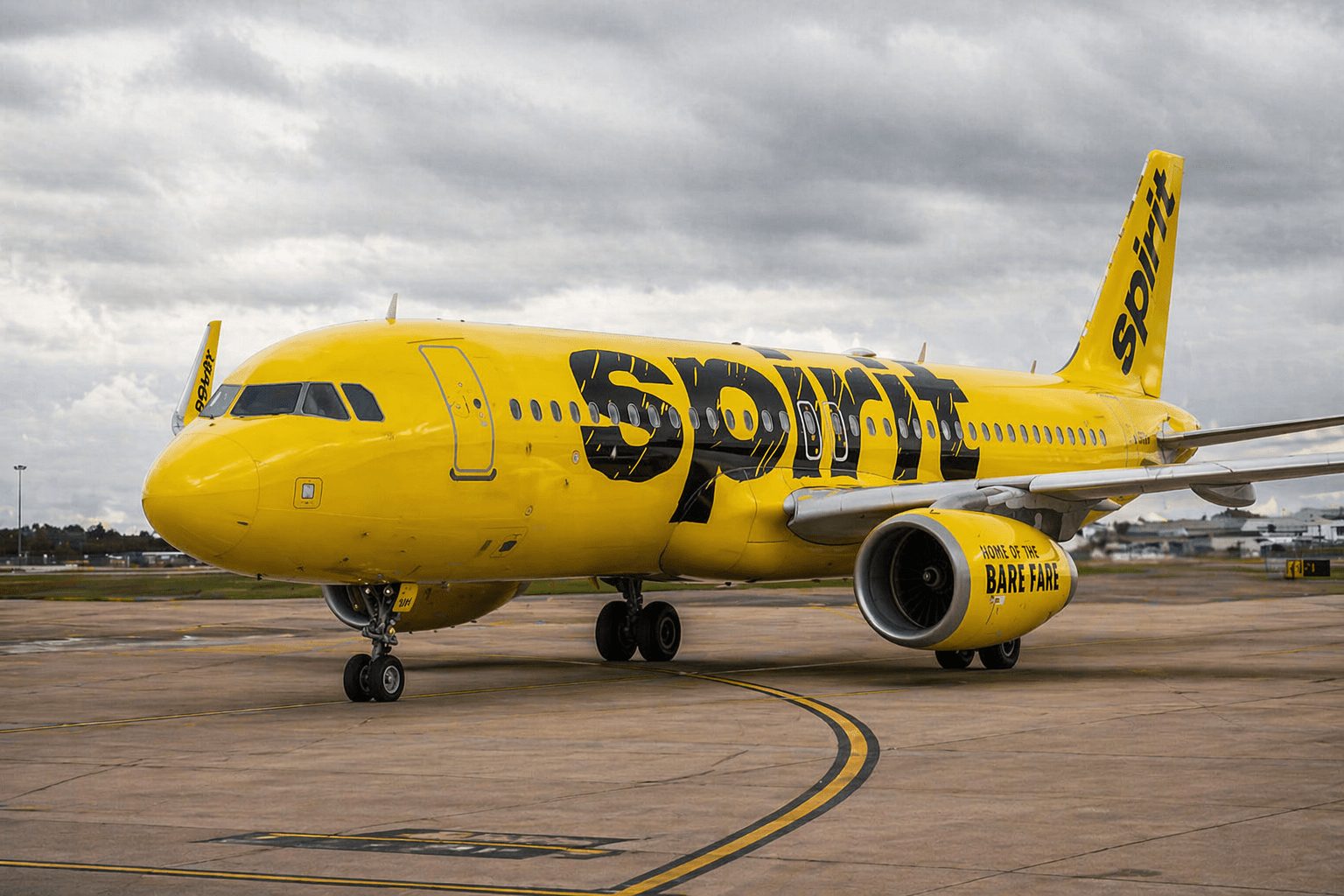
Spirit Airlines has put the idea of a government equity stake on the table in its emergency aid negotiations—a clear indication the budget carrier is reaching a breaking point as it scrambles to stave off liquidation or selling off assets. Bloomberg broke the news, while the Wall Street Journal reported Spirit has been in talks with the Trump administration about a possible federal investment.
The negotiations highlight just how quickly the fuel shock linked to the Iran conflict has escalated from a sector headache to an existential threat for smaller airlines. Low-cost carriers have started flagging steeper ticket prices, more surcharges, and potential cuts to their route maps. According to Reuters, the likes of Spirit, Frontier, and JetBlue stand out as especially vulnerable if fuel costs stay high.
CEOs from Spirit, Frontier, Allegiant, Sun Country and Avelo will sit down with Transportation Secretary Sean Duffy this Tuesday, pressing for Congress to temporarily scrap the 7.5% federal ticket tax along with the $5.30 fee tacked onto each segment. According to the Association of Value Airlines, cutting those charges would offset roughly a third of the airlines’ higher fuel costs.
Spirit faces an even tougher situation. The company went looking for hundreds of millions in emergency cash last week, Reuters reported, after jet fuel surged to around $4.24 a gallon by mid-April—almost twice the $2.24 price it assumed in its 2026 strategy. J.P. Morgan figures that could tack on roughly $360 million in extra costs for Spirit this year, outpacing the airline’s available cash projected for the end of 2025.
Back in March, Spirit outlined a strategy to slim its fleet to somewhere between 76 and 80 planes by the third quarter of 2026, ramp up its focus on Fort Lauderdale, Orlando, Detroit, and the New York area, and bring total debt and lease liabilities down to roughly $2 billion from $7.4 billion before entering Chapter 11. Still, Citi-represented creditors cautioned in court filings that the whole plan could unravel quickly if fuel prices remain elevated or if lenders start grabbing the engines and spare parts pledged as collateral.
Passengers are already caught in a tough spot, regardless of what happens next. “Spirit was flying on financial fumes,” airline analyst Henry Harteveldt told CBS News, adding that travelers should go ahead and secure backup reservations. CBS News
The Transportation Department advises that if Spirit shuts down, travelers who used credit cards and didn’t get their flights should promptly file claims with their card issuers. Stranded flyers can also request that other airlines accept their ticket or offer a cheaper replacement fare—though there’s no requirement for other carriers to comply.
The troubles go beyond Spirit, but the pain isn’t spread evenly. Frontier reported a pickup in demand as it stepped into routes Spirit abandoned out West. JetBlue, on the other hand, is feeling the squeeze. CEO Joanna Geraghty told employees that fuel costs have made the market “more challenging than we had expected,” though she also emphasized the airline wasn’t eyeing bankruptcy in 2026. Reuters
Still, a bailout remains uncertain. When the initial request came up, Reuters reported the Transportation Department kept silent. The Journal pointed out, too, that federal intervention for just one airline hasn’t happened much—except for the sweeping relief measures during the pandemic.
Back in March, Chief Executive Dave Davis described Spirit’s reorganization plan as “another significant step forward,” assuring customers that flight bookings, tickets, credits, and loyalty points would all continue as usual. But a surge in fuel prices since then has cast uncertainty over that early-summer timeline. Spirit Aviation
Related articles: Airlines