NEW YORK, March 30, 2026, 08:06 (EDT)
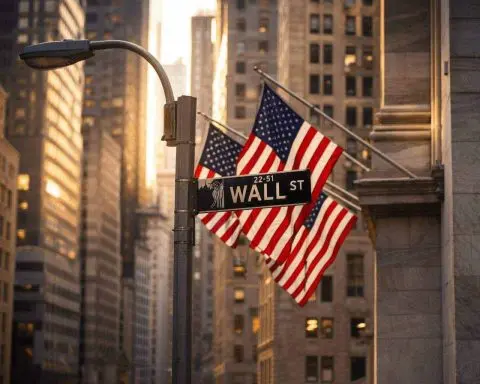
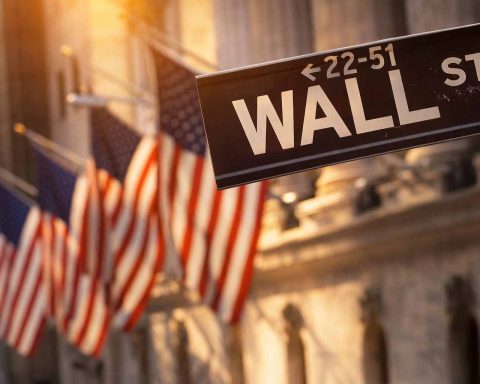
Crash chatter has only picked up as Wall Street gears up for Monday’s open, with Friday’s sharp drop dragging both the Dow and Nasdaq into correction territory—each now off at least 10% from their recent peaks. The S&P 500 sits just a shade above that threshold, down a little over 1% away. U.S. stock futures ticked a bit higher early Monday, but after five consecutive weeks in the red, it hardly looked like anyone was breathing easy just yet. Reuters
The pressure has spilled beyond equities: oil prices are jumping, bond yields are heading up, and Federal Reserve officials are eyeing whether pricier gas could shake up inflation expectations. That mix threatens to hit both valuations and growth simultaneously. Reuters
Brent crude jumped to $114.99 a barrel while U.S. crude climbed as high as $101.36 on Monday, Reuters said, after Houthi attacks sparked broader conflict worries and traders doubted a rapid de-escalation. SEB Research noted the market was looking for “concrete signs of de-escalation, not just rhetoric.”
No surprise, then, that the weekend columns sounded alike. In a March 29 article, Motley Fool’s Adria Cimino flagged the Shiller CAPE — that’s the cyclically adjusted price-to-earnings ratio comparing stock prices to inflation-adjusted profits — noting it had climbed to a level seen just once before. She also pointed out that oil price surges have typically preceded softer equity returns. Still, Cimino didn’t call for a crash, sticking to the view that the data suggest muted near-term gains, not an imminent market plunge. The Motley Fool
Bret Jensen at Seeking Alpha, writing March 27, went macro. He pointed to “extreme valuations” in equities and flagged that passive flows and baby-boomer appetite—long-time props for the market—could start working against it. Data from Multpl put the Shiller P/E at 36.65 as of March 27’s close, which remains stubbornly elevated post-drop. Seeking Alpha
Big banks aren’t lining up on the outlook. Morgan Stanley just shifted global equities to “equal weight”—nothing bullish or bearish there—and flagged mounting risks for stocks and other risk assets, calling the odds “increasingly asymmetrical.” If oil sticks around $150 to $180 a barrel, the bank estimates global equity values could take a nearly 25% hit. Still, Morgan Stanley argues U.S. assets look more resilient than most international alternatives. Reuters
Some argue what’s happening looks more like a repricing than a full-blown break. Barclays bumped up both its S&P 500 earnings and index targets last week, pointing to solid U.S. growth and a tech sector that’s holding up even after Big Tech got hit hard. In a March 28 note for Yahoo Finance, Head of News Myles Udland said “almost everything is going wrong” for markets. Still, Truist Wealth CIO Keith Lerner called for “measured cash deployment,” and Apollo’s chief economist Torsten Sløk described the selloff as overdone. Reuters
Rather than heading for the exits, investors are making moves within the market. U.S. dividend-income funds raked in $24.1 billion during the first quarter, marking their largest Q1 inflow in four years, Reuters said. Among the top beneficiaries: Schwab U.S. Dividend Equity ETF and Capital Group Dividend Value ETF, as buyers chased cash flow, energy exposure, and a buffer against inflation. Reuters
The clean crash story doesn’t always match reality. On Monday, Reuters flagged a drop in trading quality: the spread between bid and ask on fresh two-year Treasuries jumped about 27% in March. Liquidity in one European short-term rate market, according to Morgan Stanley’s Daniel Aksan, dropped to just 10% of its usual level—briefly evoking “COVID days.” If that kind of thin trading widens out and oil keeps stoking inflation, the next move down could hit harder than the basics would imply. Reuters