
New York, June 15, 2026, 05:55 EDT
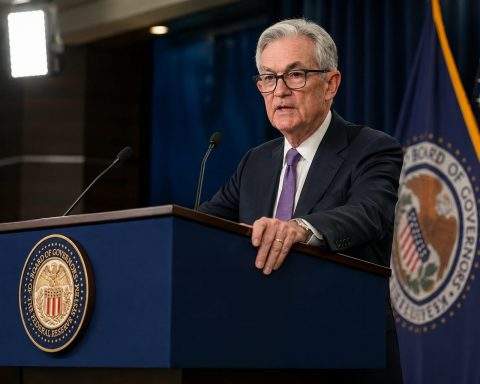
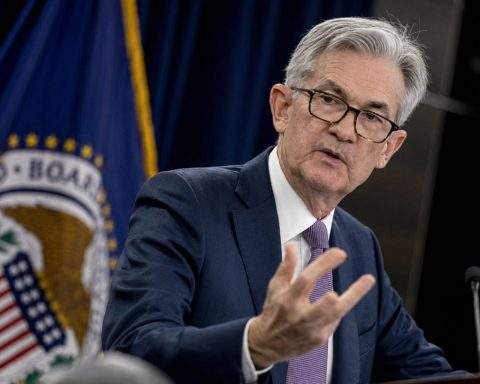
- Fed Chair Kevin Warsh heads into his first policy meeting on June 16–17 as markets look for no move on rates.
- U.S. stock futures moved up as oil prices dropped, easing some of the inflation pressure.
- Traders are looking to Wednesday for the Fed statement, new projections and Warsh’s press conference.
Wall Street futures climbed early Monday, with investors shrugging off last week’s inflation concerns and focusing on the Fed’s June meeting, the first led by Chair Kevin Warsh. Dow futures added 0.94%, S&P 500 futures moved up 1.29%, and Nasdaq 100 futures gained 2.2%. Markets got a lift after Washington and Tehran reached a preliminary deal to end the Iran war and reopen the Strait of Hormuz. Crude fell more than 4%, hitting a three-month low. That puts pressure off equities—as lower oil can take some heat out of inflation, ease bond yields, and help lift growth stock valuations.
The Fed is still seen holding its federal funds rate at 3.50% to 3.75% at its meeting Wednesday. CME FedWatch puts the odds of no change at 98.5% through the June 16–17 meeting, according to Kiplinger. Reuters said the market cut the probability of a December rate hike to about 50%, down from over 70% last week, after lower oil prices eased some inflation worries. Higher rates raise borrowing costs, which can hit stocks as earnings expectations fall and bonds look more attractive.
The relief rally does not mean risks are gone. May consumer inflation climbed 4.2% from a year ago. Core CPI, which leaves out food and energy, rose 2.9%. Producer prices were up 1.1% in May and 6.5% over the last year. Those numbers still give bears something to hang onto. If inflation sticks, Warsh may not be able to strike a dovish tone, and any sign the Fed is settling in for higher rates could hit tech and AI stocks. The labor market isn’t pushing the Fed to cut, either. Payrolls rose 172,000 in May, jobless rate held at 4.3%.
Bulls point to lower oil, a drop in the two-year Treasury yield, and softer volatility giving the Fed some breathing room. Reuters reported the two-year note fell 7 basis points to a two-week low, with the Cboe Volatility Index ending at 16.66. If Wednesday’s statement skips a clear tightening hint and Warsh keeps his first press conference cautious, stocks could go higher, especially rate-sensitive growth stocks and sectors like airlines and cruise lines that benefit from cheaper oil.
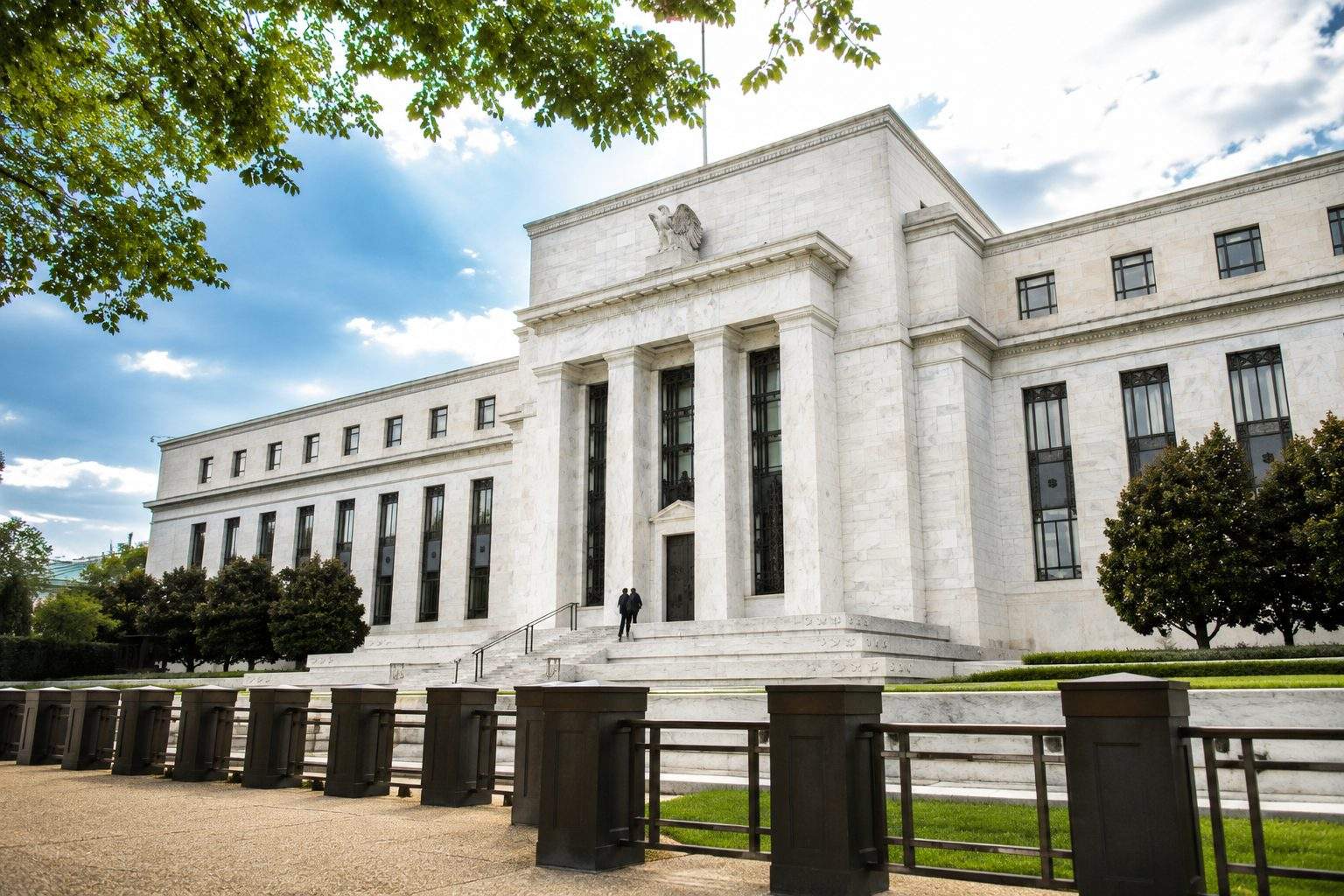
Traders are looking to Wednesday’s 2 p.m. ET release from the Federal Open Market Committee for the next big driver. The Fed’s policy statement lands first, then Warsh speaks at 2:30 p.m. ET and releases new projections. The FOMC sets interest rates. Markets want to see if the Fed drops its old easing tilt, shifts the “dot plot” for 2026 rates, or if Warsh signals any tone change from the podium. The Fed’s official calendar says the June 16–17 meeting includes the Summary of Economic Projections, so this isn’t a typical pause. Federal Reserve
U.S. stocks look more fairly valued than cheap right now for investors. Bulls are pointing to lower oil, a Fed pause and steady earnings forecasts. But inflation is still well above the central bank’s 2% goal, and the labor market hasn’t cracked. Markets have been quick to price out more rate hikes on any hint, like a fresh geopolitical headline. Stocks moved higher Monday as inflation fears eased, but they could drop fast if Warsh signals that a rate hike is still possible.
Related articles: Interest Rates