
BALTIMORE, May 8, 2026, 06:06 EDT
- T. Rowe Price declared a quarterly dividend of $1.30, with payment scheduled for June 29 to shareholders who are on record as of June 15.
- Investors voted in 13 directors and gave nonbinding approval to the company’s executive compensation plan.
- The payout comes after a first quarter marked by $13.7 billion in net outflows and a drop in client assets.
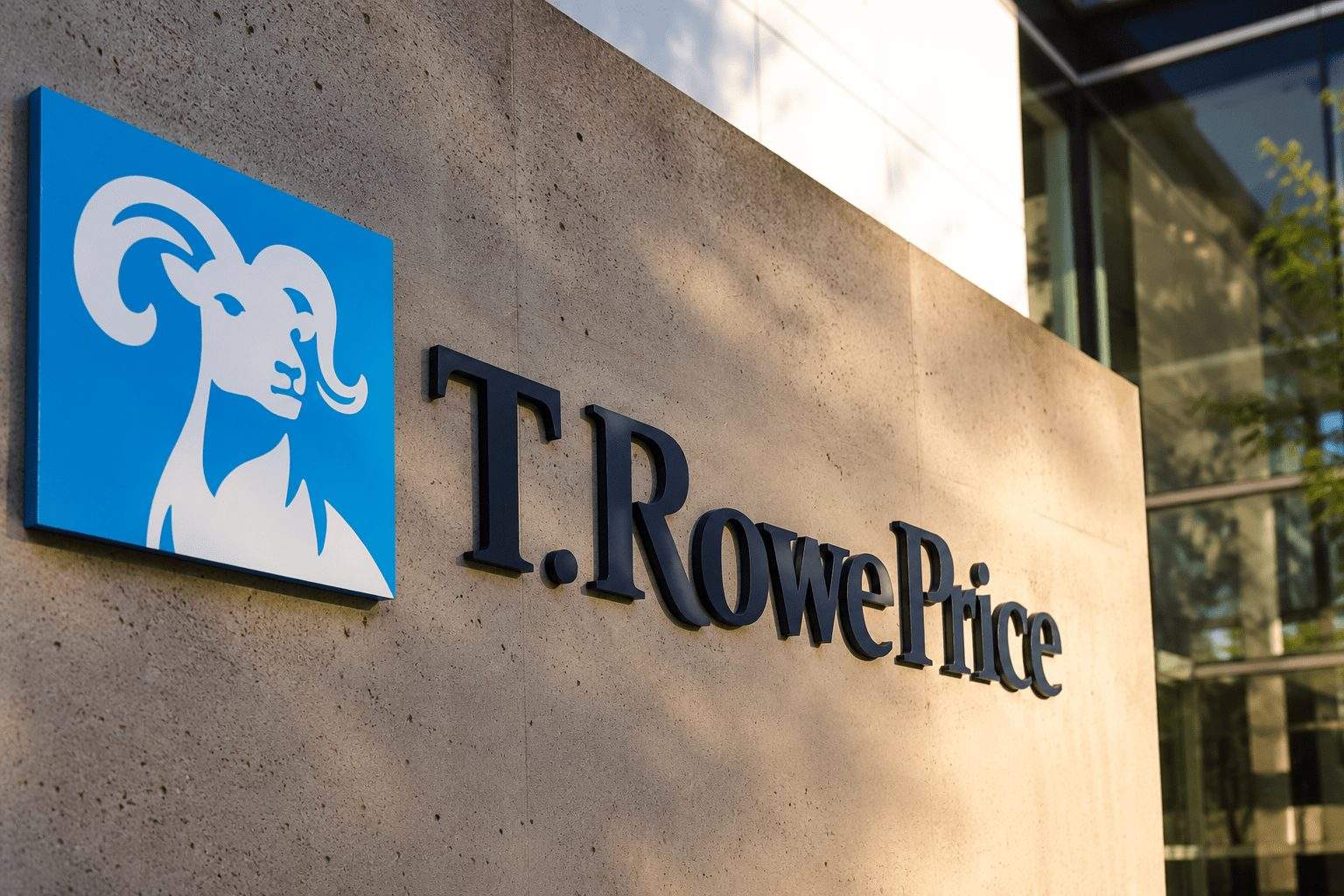
T. Rowe Price Group is sticking with its quarterly payout, declaring a $1.30 per-share dividend, while its full board slate won shareholder support at the annual meeting. The Baltimore asset manager remains under pressure on client flows but keeps cash returns unchanged. The dividend goes to shareholders of record as of June 15, with payment set for June 29, the company said.
The timing is key here: the payout stands out as a strong marker of capital restraint at a firm whose fee revenue shifts with market moves and client flows. Assets under management, or AUM, finished March at $1.7097 trillion, down from $1.7756 trillion three months earlier. Net client outflows for the first quarter reached $13.7 billion.
As of the dateline, U.S. markets hadn’t yet started the session. T. Rowe shares were recently seen at $103.59, putting its market value near $22.2 billion. The raised quarterly dividend works out to $5.20 a year, a yield of about 5.0% at that price.
Investors backed, in a nonbinding vote, the compensation packages for named executive officers, and signed off on KPMG LLP to audit the company again in 2026. The so-called “say-on-pay” advisory votes gauge shareholder sentiment on pay, but don’t compel the board to act. T. Rowe Price Group, Inc.
No dividend hike this time. T. Rowe last bumped its quarterly payout to $1.30 from $1.27 back in February, a 2.36% increase. That, the firm said, made it 40 straight years of annual dividend growth since the IPO.
Chief Executive Rob Sharps last week pointed to “recent volatility and broadening of markets” as openings for active managers, noting the firm has been rolling out new strategies and client offerings. In the first-quarter report, T. Rowe Price posted diluted earnings per share of $2.23 and adjusted diluted EPS at $2.52. The numbers also showed $629 million returned to shareholders via dividends and buybacks. SEC
Competition’s still fierce out there. T. Rowe has flagged that passive-focused strategies keep eating into active managers’ market share, and fee pressure isn’t letting up as investors lean into cheaper products. That leaves firms like Vanguard, BlackRock, and State Street front and center as benchmarks when investors size up how much pricing power traditional stock-pickers really have left.
T. Rowe shares slipped 2.39% on Thursday, landing at $103.59, according to MarketWatch. That drop left the stock lagging behind both Ares Management and State Street, though it fared a bit better than Raymond James Financial during the same stretch. The decline happened ahead of the dividend news, which hit after the close.
There’s a risk that a consistent dividend might start to look defensive, not comforting. Should client withdrawals persist, or if passive strategies keep eating into market share, T. Rowe’s assets, revenue, and profits could take a hit. The company has acknowledged that it may have to trim fees on certain products to stay competitive.
The board stuck with the status quo this round: kept the quarterly dividend unchanged, re-elected the full slate of directors, approved executive compensation, and kept KPMG on as auditor. The real scrutiny, though, lands with the upcoming flow update—investors want proof the dividend rests on more than just cost cuts and where markets happen to be.
Related articles: Dividends



![UK Stock Market Today 28/08/2026 [UPDATE: 08:45 BST] [3i and Miners Lift FTSE Ahead of Warsh Speech]](https://ts2.tech/wp-content/uploads/2026/08/UK-market-dashboard-2026-08-28-0842-480x384.jpg "UK Stock Market Today 28/08/2026 [UPDATE: 08:45 BST] [3i and Miners Lift FTSE Ahead of Warsh Speech]")