
SEOUL, May 10, 2026, 23:03 (KST)
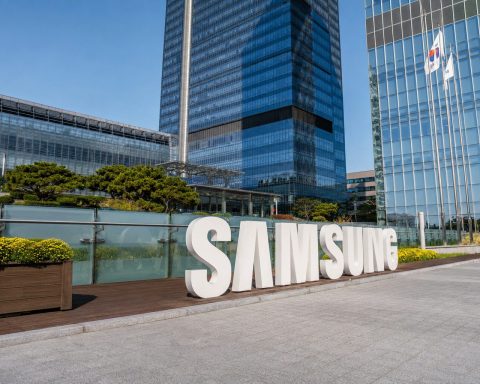
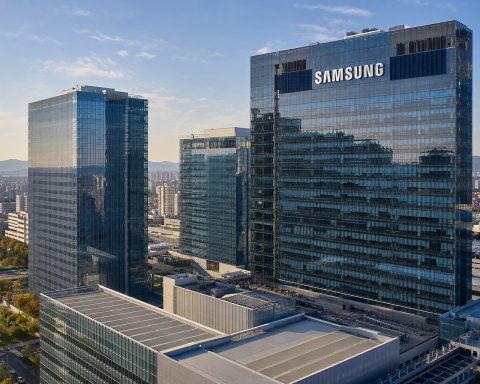
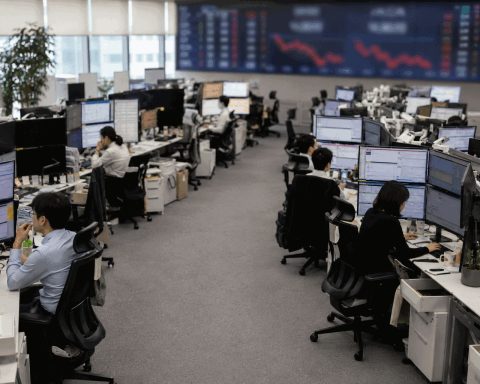
Samsung Electronics Co., Ltd. faces two days of government-brokered wage talks starting Monday, as the specter of an 18-day strike continues to loom over South Korea’s top earner. The union has warned it’s prepared to strike from May 21 unless negotiators land a wage agreement.
It’s a tough moment for Samsung to face scrutiny. The company just posted its best-ever first-quarter revenue—133.9 trillion won—with operating profit hitting 57.2 trillion won. The Device Solutions segment, which leans heavily on semiconductors, was responsible for 53.7 trillion won of that profit.
This wage dispute comes at a critical juncture. Samsung is pushing deeper into the high-bandwidth memory, or HBM, market—a space defined by tight supply and heavy demand from AI accelerator makers. Even minor disruptions here risk shaking customer confidence, especially with Samsung still trailing SK Hynix in what’s become the memory sector’s most lucrative segment.
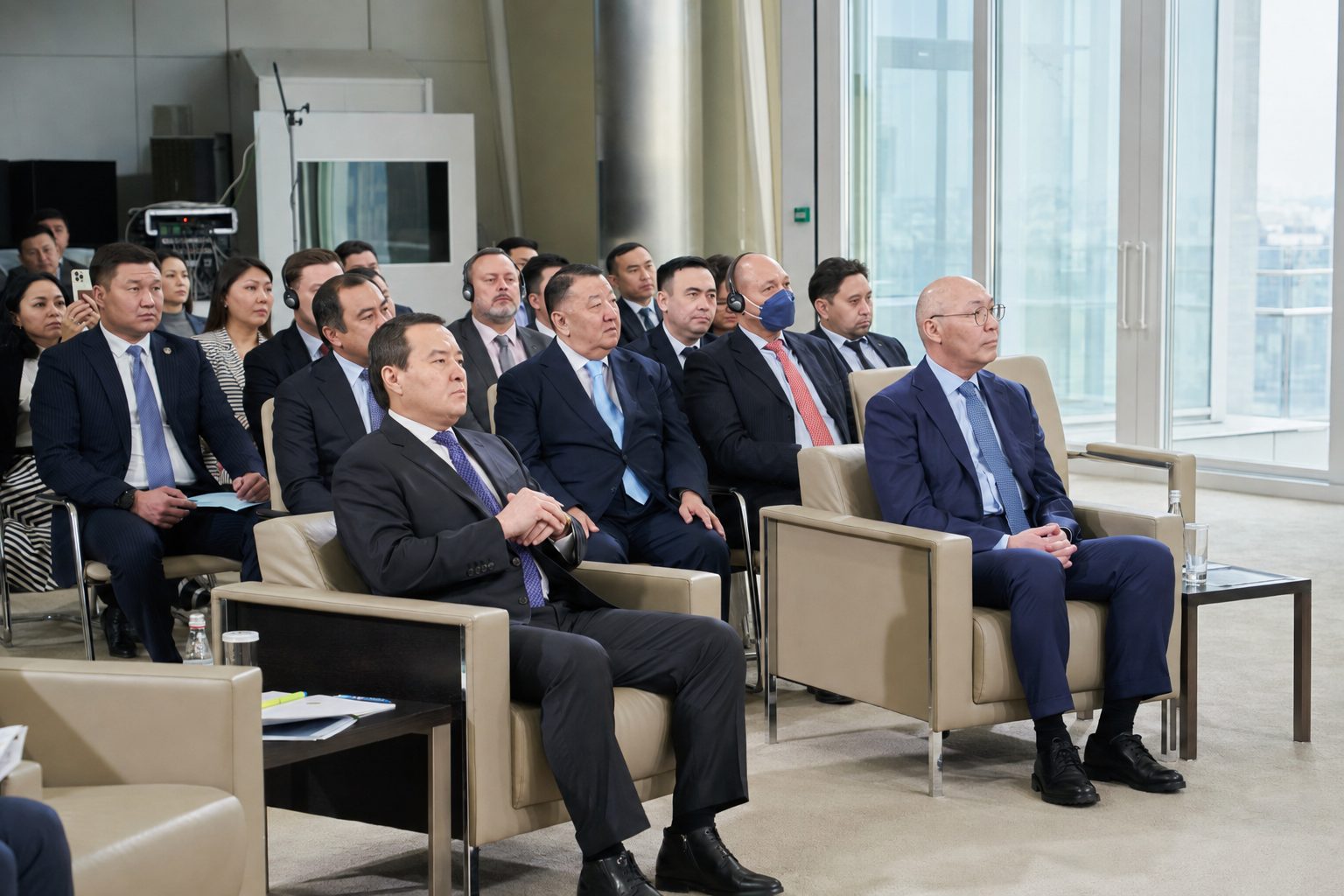
The Samsung Electronics union chapter will return to mediation talks following a meeting that brought together union leaders, management and government representatives. “If we do not see satisfactory results, we will move forward with a general strike without hesitation,” Choi Seung-ho, who heads the union chapter, said. Korea Joongang Daily
The main sticking point is how to split up the AI profits. The union wants a bonus pool linked to 15% of operating profit, and they’re pushing to scrap the bonus cap entirely. According to The Elec, with market projections calling for around 300 trillion won in operating profit by 2026, that would mean approximately 45 trillion won available for bonuses using the union’s formula.
Shareholder resistance is mounting. On Sunday, the Korea Shareholder Activism Headquarters criticized the proposed 15% flat cash bonus, saying no global chipmaker has implemented such a scheme. They also threatened possible legal action if Samsung’s leadership cuts what it described as a “behind-closed-doors” compromise under the pressure of a strike. The group specifically pointed to SK Hynix, Micron, and China’s Changxin Memory Technologies as rivals likely to gain ground should Samsung’s position slip during a walkout. 아시아경제
There’s tension showing up among staff, too. On Blind, the anonymous work app, employees urged union reps to make a deal, Maeil Business Newspaper reported Sunday. One user wrote it was time to “take what we can and step back,” while another pleaded with negotiators to “please just reach an agreement.” 매일경제
Board chairman Shin Je-yoon, for his part, has stepped in to tamp down the dispute. In a memo sent to staff last week, Shin voiced concerns over “losing market leadership” amid the threat of strikes hitting production and deliveries. “It’s time to resolve the problem through sincere dialogue,” he wrote. Reuters
There’s no clear consensus among analysts on the fallout. Peter Lee at Citi Research warns Samsung could be forced to account for a full year of bonus provisions in just three quarters, calling it a “more meaningful drag” on earnings. On the other hand, Daol Investment & Securities’ Ko Young-min points to robust memory prices and long-term supply deals as offsets. Korea Joongang Daily
The risk goes both directions here. Should negotiations collapse, Samsung could be staring down not just production headaches but also a hit to its reputation—AI customers are hungrily securing their suppliers. Hand too much over at the table, though, and investors might start baking in slimmer profits, right as the memory market swings back to Samsung’s benefit. On Sunday, Seoul Economic Daily described the current round of talks as the decisive moment before the strike deadline.
Samsung shares are surging, even as the labor dispute drags on. Last week, Reuters noted Samsung’s common-stock market cap topped $1 trillion—only the second Asian firm to do it after TSMC. For investors, the immediate focus isn’t really on the current wage fight. They’re watching to see if Samsung can keep the AI-chip momentum from getting overshadowed by union headlines.
Related articles: KRX:005930