New York, March 7, 2026, 14:14 EST — Market closed
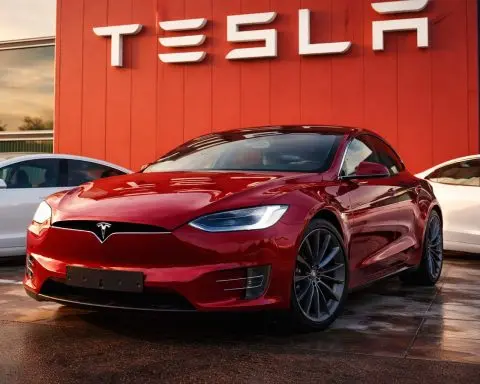
Tesla fell 2.2% Friday, closing at $396.73. With the new week underway, investors are once again weighing whether renewed optimism around Tesla’s robotaxi ambitions and energy business can offset persistent concerns over softening sales and regulatory snags.
The split’s relevant now, with Tesla steering its investor pitch toward fresh ventures. Back in January, Tesla told investors Cybercab production was still set for this year. The company also flagged that capital spending would surpass $20 billion by 2026, targeting autonomous vehicles, robotics, batteries and lithium—no longer just human-driven EVs. Reuters
Bank of America just weighed in with a fresh endorsement, resuming coverage on Tesla with a Buy and slapping on a $460 target. Analysts there dubbed Tesla the “current leader in consumer autonomy” and argued it’s positioned to scale robotaxi services more profitably than rivals. They also highlighted the $99-a-month Full Self-Driving subscription as a crucial piece of the puzzle. Barron’s
On Friday, energy was in focus after William Blair’s Jed Dorsheimer weighed in with a bullish take, labeling Tesla Energy a “hidden jewel.” Dorsheimer estimates Tesla’s battery-storage segment could command a $120 billion valuation, translating to about $31 per share, with 46.7 gigawatt-hours expected for deployment in 2025. Still, the firm stuck with its hold-equivalent rating on the stock. Barron’s
The car business remains the short-term benchmark. UK numbers from the Society of Motor Manufacturers and Traders put Tesla’s February registrations down 37% at 2,422 units. A separate count by New Automotive came in lower, with a 45.2% drop to 2,208, noting year-to-date volumes slipped 5%. Tesla, pushing back, said monthly figures don’t capture the real picture, since deliveries can cluster within a quarter and don’t necessarily align with orders or sales. Reuters
Across Europe, the landscape remains uneven. Reuters noted that February new-car registrations climbed in France, Spain, Norway and Belgium, but slipped in markets like the Netherlands, Denmark and Italy. Tesla, still working to shore up demand for its revamped Model Y and Model 3, faces pressure from BYD and other Chinese automakers, after its European sales dropped 27% last year. Reuters
There’s also a low-key Brussels disclosure catching some attention. According to Reuters, Stellantis, Toyota, and Subaru are not listed in Tesla’s 2026 EU carbon-credit pool—the scheme that allows automakers to swap EV credits and hit emissions targets. The EU has eased up on compliance terms, which could impact future credit revenue, though companies have the option to join the pool later this year. Reuters
Regulation is still the biggest question mark. Last month, Reuters said Tesla didn’t log a single mile of autonomous testing in California in 2025, nor has it bothered to apply for the permits required for fully driverless operations. Compare that with Waymo, which has racked up more than 13 million test miles in the state over the past ten years. Bryant Walker Smith, an expert on autonomous vehicles, put it bluntly: Tesla acts as if “they are ready and regulators are not,” but “regulators are ready, and they are not.” Reuters
Macro moves might end up drowning out everything else. Oil jumped, Reuters reported, with Middle East tensions flaring. February payrolls dropped—surprisingly. Traders are watching Wednesday’s CPI release, the next key inflation data. For a stock priced for far-off growth, a stronger inflation read or another spike in yields could sting just as much as any corporate news. Reuters
So, attention lands on Tuesday, March 10. That’s when NHTSA hosts a national forum on autonomous-vehicle safety—Waymo, Zoox, and Aurora execs are on deck. Tesla isn’t among the scheduled speakers, but any word on testing, remote support, or deployment protocols could jolt the TSLA case, since the company kicked off robotaxi service in Austin without safety monitors back in January. Reuters