
TOKYO, July 20, 2026, 06:03 JST
- Tokyo cash equity markets will be shut on Monday. Nikkei futures will trade between 08:45 and 15:45 JST.
- The Nikkei declined by 6.44% over the past week, while the Topix dropped 2.90%.
- Technology stocks were responsible for 87.2% of the Nikkei’s point decline on Friday. The index’s four largest firms accounted for 37.25% of its value.
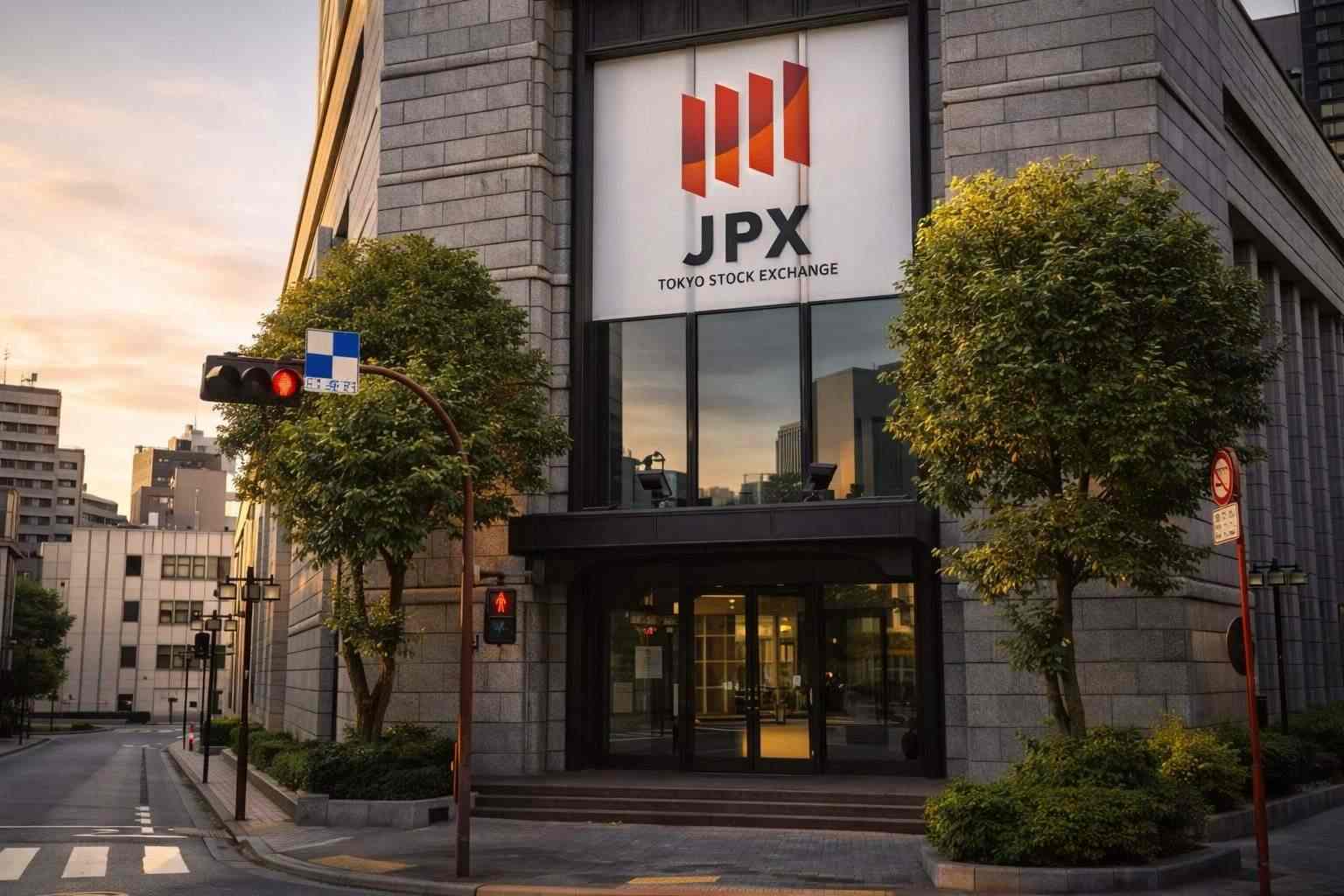
Japan’s cash markets are shut on Monday in observance of Marine Day. Trading in Nikkei 225 futures begins at 08:45 JST, offering the initial domestic indication. Cash equity trading resumes Tuesday from 09:00 JST.
The issue is not just if Japan resumes selling. The focus is whether the Nikkei continues trailing the broader Topix.
The Nikkei fell 6.44% last week, outpacing the loss on the Topix by more than double. On Friday, the Nikkei underperformed by an additional 1.31 percentage points.
| Gauge | July 17 close | Friday | Week |
|---|---|---|---|
| Nikkei 225 | 64,141.12 | down 4.03% | down 6.44% |
| Topix | 3,919.21 | down 2.72% | down 2.90% |
| Nikkei minus Topix | — | minus 1.31 points | minus 3.55 points |
Weekly changes based on closing levels from July 10.
The difference stems from index structure. The Nikkei is price-weighted, while Topix is based on free-float market capitalisation for a wider market view.
Advantest TYO:6857 accounted for 10.35% of the Nikkei on Friday, while Tokyo Electron TYO:8035 represented 10.21%. With Fast Retailing TYO:9983 and SoftBank Group TYO:9984, the combined top-four weighting reached 37.25%.
Technology accounted for 55.64% of the index and was responsible for 2,349.52 points of the 2,694.42-point decline on Friday, representing 87.2% of the fall.
The gap indicates the Nikkei may have exaggerated the extent of last week’s decline. This observation comes from the index. It does not confirm selling has stopped.
Widespread selling persisted. On Friday, just 71 constituents of the Nikkei gained, while 152 fell. The index closed 11.3% lower than its record finish on June 25.
Kioxia Holdings TYO:285A dropped 16.1% on Friday. SUMCO TYO:3436 declined 15.17%, and SCREEN Holdings TYO:7735 slipped 12.04%.
“The long-term trend for AI and data centres is unchanged,” said Daisuke Hashizume, senior strategist at Daiwa Securities Group (TYO:8601). According to Hashizume, investors are now uncertain that memory-price increases will continue. Reuters
Wall Street saw limited gains. The Nasdaq declined 1.40% on Friday, and the Philadelphia chip index dropped 1.6%. The chip index closed 20% beneath its June 22 peak.
Oil prices climbed further, with Brent crude rising 4.59% to $88.10 per barrel. The dollar finished Friday at 162.43 yen.
Weekend figures failed to dispel concerns. Gulf crude exports climbed roughly 16% at the start of July, yet tanker movements decreased once more. Shipments stayed 32% under the pre-war high from February.
The United States will see the next test for the technology sector, as Alphabet NASDAQ:GOOGL reports results on Wednesday and Intel NASDAQ:INTC follows on Thursday.
Kevin Mahn, chief investment officer at Hennion & Walsh Asset Management, stated that a cutback in Alphabet’s AI investments might trigger “ripple effects across the entire AI ecosystem.” Reuters
Japan will publish June national inflation figures on Friday. Preliminary Japan PMI data is expected at 09:30 JST. The Bank of Japan’s next meeting is scheduled for July 30–31, following its rate hike to 1% in June.
Risks are balanced on both sides. A further surge in oil prices could strain importers and heighten worries about inflation. On the other hand, a pickup in AI investment could spark a rapid recovery in chip demand.
The most decisive indication on Tuesday will come from the Nikkei-Topix spread. If the gap narrows, it would back the index-concentration view. A fresh wide underperformance by the Nikkei would suggest ongoing AI-position unwinding.