
WASHINGTON, July 14, 2026, 09:10 EDT
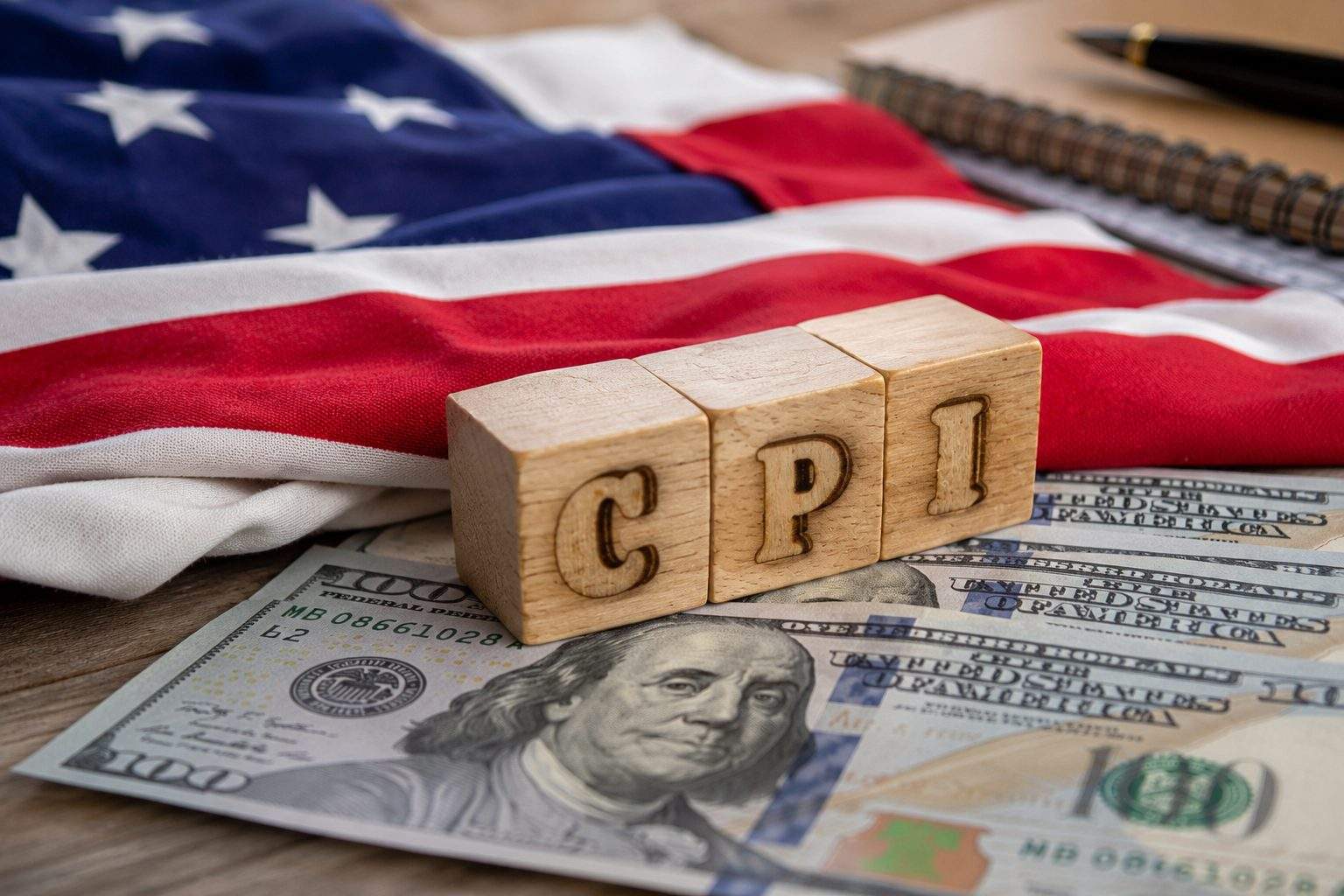
- Consumer prices fell 0.4% in June and rose 3.5% from a year earlier; core CPI was unchanged on the month and up 2.6% annually.
- A weight-based estimate shows energy subtracted about 0.44 percentage point, more than the full reported monthly decline.
- Shelter, which accounts for 35.1% of the CPI basket, rose 0.1%, its smallest gain since January 2021.
U.S. consumer prices posted their largest monthly fall since April 2020 in June, but the more durable signal for investors came from housing: shelter costs rose just 0.1%, their weakest increase in more than five years. Because housing makes up more than one-third of the index, its slowdown does more to ease underlying inflation pressure than the headline decline alone. Housing is the stickier signal.
A rough contribution calculation using the Bureau of Labor Statistics’ May weights shows why. Energy, 7.8% of the basket, fell 5.7%, subtracting about 0.44 percentage point from CPI — more than the reported 0.4% decline — while the official index excluding energy was unchanged. The headline overstates the relief.
Core CPI, which strips out food and energy, was unchanged against a 0.2% increase expected by economists. A calculation from the published April, May and June readings puts the three-month core pace at about 2.4% if sustained for a year, down from roughly 3.2% in the three months through May. The Federal Reserve targets the personal consumption expenditures price index rather than CPI, but the direction of travel still matters for rates. The trend moved the right way.
| Measure | June actual | May | Pre-release consensus |
|---|---|---|---|
| All-items CPI, month on month | -0.4% | +0.5% | -0.1% |
| All-items CPI, year on year | +3.5% | +4.2% | +3.8% |
| Core CPI, month on month | 0.0% | +0.2% | +0.2% |
| Core CPI, year on year | +2.6% | +2.9% | +2.8% |
The housing detail strengthens that reading. Rent rose 0.1% after 0.4% in May, while owners’ equivalent rent — the rent a homeowner would notionally pay — increased 0.2% after 0.3%. Hotel and motel prices fell 2.3%, but both major rent measures also cooled, so the shelter slowdown was not merely a travel discount. The numbers tell a broader story.
| CPI component | May weight | May change | June change | Approx. June contribution |
|---|---|---|---|---|
| Energy | 7.8% | +3.9% | -5.7% | -0.44 pp |
| Food | 13.4% | +0.2% | +0.2% | +0.03 pp |
| Core goods | 18.7% | -0.1% | -0.1% | -0.02 pp |
| Core services | 60.0% | +0.3% | 0.0% | About 0.00 pp |
| ↳ Shelter, a core-services subset | 35.1% | +0.3% | +0.1% | +0.04 pp |
Contributions are estimates calculated by multiplying published weights by monthly price changes. Shelter is included within core services and is not additive.
Core inflation also benefited from categories that can reverse quickly. Motor-vehicle insurance fell 2.0%, communication costs declined 1.5%, apparel dropped 0.6% and medical care slipped 0.1%. Against that, recreation rose 0.5%, full-service restaurant meals gained 0.4%, and vehicle maintenance and repair climbed 1.1%. The core was soft, but not spotless.
U.S. cash trading had not opened by the dateline. At 8:33 a.m. EDT, S&P 500 futures were up 0.48% and Nasdaq 100 futures gained 1.38%, while Dow futures were nearly flat, after all four main CPI readings undershot forecasts. The stronger response in growth-heavy Nasdaq futures was consistent with relief over the interest-rate outlook. The reaction was about policy, not pump prices.
Fed Chair Kevin Warsh said in prepared congressional testimony that policymakers had “no tolerance for persistently elevated inflation” and noted that the central bank held its policy rate at 3.50%-3.75% in June. Governor Christopher Waller said on Monday that he would need to see “several months of lower readings” before concluding inflation was moving in the right direction. One report will not settle policy. Federal Reserve
But the risk is that June’s energy relief is already stale. The national gasoline average had risen to $3.86 a gallon on Tuesday from $3.79 a week earlier, while oil touched a four-week high after renewed U.S.-Iran fighting and the reinstatement of a naval blockade. A reversal in June’s insurance, communication and lodging declines could lift core inflation as well. Timing matters here.
Investors get the next check from Wednesday’s producer-price report, followed by July CPI on August 12. A second shelter increase near 0.1% would make June’s core slowdown harder for policymakers to dismiss; a return toward May’s 0.3% pace, alongside higher energy costs, would make the report look more like a one-month air pocket. The market wants proof.
Related articles: Inflation