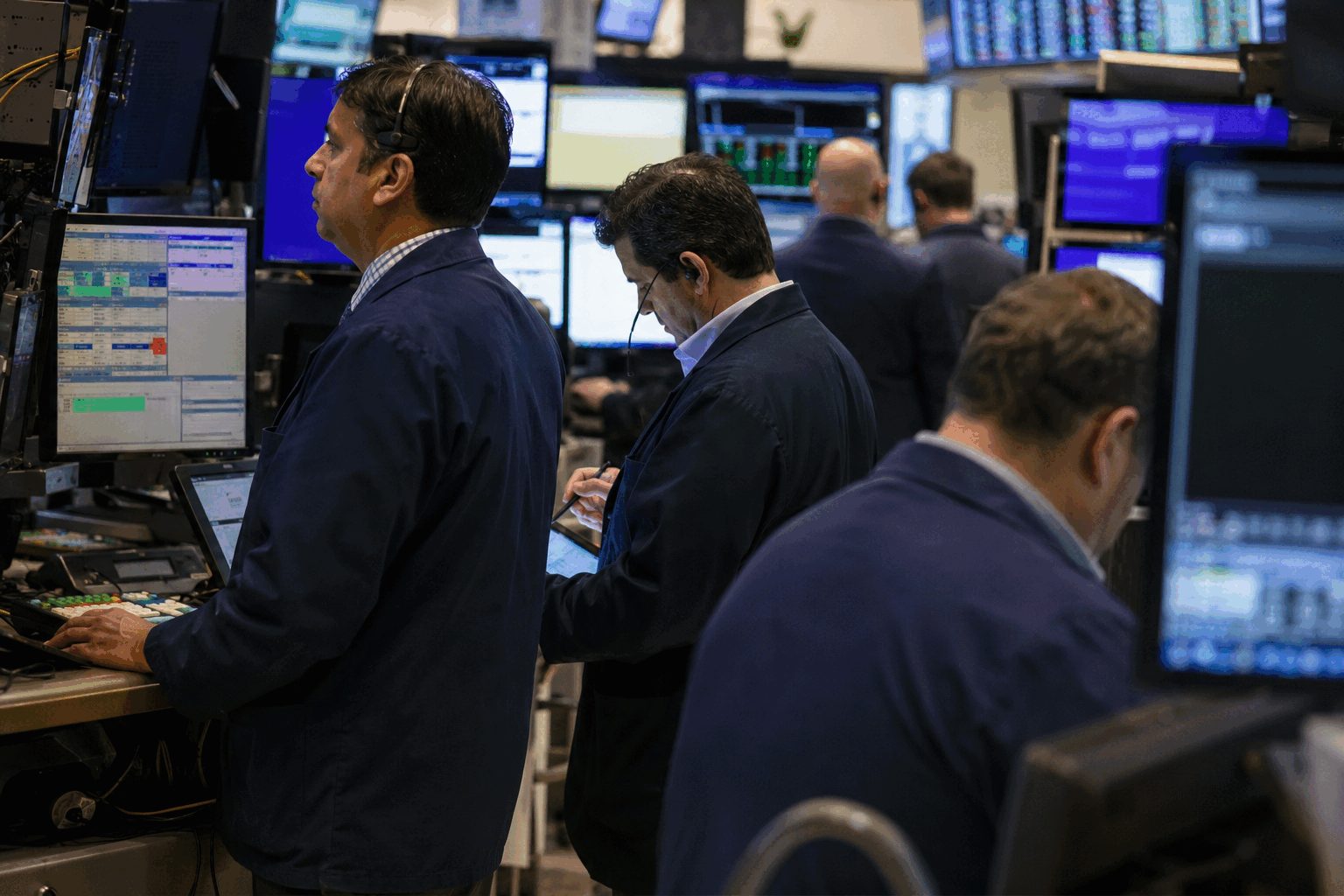

NEW YORK, August 14, 2026, 14:29 EDT — U.S. cash markets operated as usual.
- U.S. consumer sentiment dropped to 51.0, below the consensus estimate of 54.5.
- The yield on the 10-year Treasury was 53 basis points higher than that of the two-year note.
- Oil, gold and silver gained, while U.S. equities and bitcoin declined.
U.S. consumer sentiment dropped to 51.0 in August, coinciding with an uptick in one-year inflation expectations. Treasury markets reflected mixed signals: expectations for short-term rates softened, while the 10-year yield held close to 4.69%.
The 53-basis-point curve gap that has emerged is significant for markets. It reflects softer demand in the short term alongside ongoing inflation and term-premium risk. This combination poses a challenge for the Federal Reserve.
| U.S. signal | Latest | Prior or consensus | Difference |
|---|---|---|---|
| Michigan consumer sentiment | 51.0 | 55.2 prior; 54.5 consensus | Down 4.2 points from previous month; 3.5 points below consensus |
| One-year inflation expectations | 4.3% | 4.2% in July | Increase of 0.1 percentage point |
| Five-year inflation expectations | 3.3% | 3.3% in July | No change |
| July retail sales | -0.6% | +0.1% consensus | 0.7 percentage point miss |
| September Fed hike probability | 33% | 55% last week | Down 22 points |
The drop in sentiment halted a two-month streak of gains. Survey director Joanne Hsu cited “notably large reductions” for older adults, lower-income groups, and those without a college degree. Elevated living expenses due to the Middle East conflict heightened worries. Reuters
Rate markets now see a 33% probability for a September hike, down from 55% a week earlier. Meanwhile, the long end did not experience as strong a rally.
| Rates and policy measure | Latest | Investor reading |
|---|---|---|
| Two-year Treasury yield | 4.16% | Reflects expectations for fewer near-term Fed moves |
| Ten-year Treasury yield | 4.69% | Signals continued inflation risk and term premium |
| 10-year minus two-year spread | +53 basis points | Curve is positive and sharply steeper |
| Fed target range | 3.50%–3.75% | Traders see a hold at September meeting |
| September hike probability | 33% | Fell 22 points in past week |
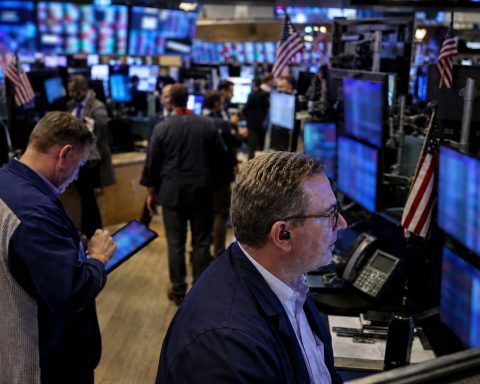
U.S. equities edged down rather than experiencing a steep decline. The S&P 500 slipped 0.20%, and the Nasdaq dropped 0.40%. Both indices continued to head for a third straight weekly advance.
| Cross-asset snapshot | Latest | Session move |
|---|---|---|
| S&P 500 | 7,783.39 | down 0.20% |
| Dow Jones Industrial Average | 53,724.52 | down 0.21% |
| Nasdaq Composite | 26,696.38 | off 0.40% |
| Nikkei 225 close | 68,713.80 | up 0.59% |
| FTSE 100 close | 10,750.11 | off 0.21% |
| VIX | 14.31 | down 2.19% |
| Brent crude | $87.87 | up 0.92% |
| Spot gold | $4,379.95 | gaining 0.70% |
| Spot silver | $64.88 | gaining 0.70% |
| USD/EUR | €0.8646 | down 0.28% |
| Bitcoin | $62,975 | down 0.70% |
Index, currency, volatility, and bitcoin figures were initial as of around 14:20 EDT. Verification was via Google Finance. Closing levels for Asian and European markets were sourced from the same market update.
Volatility stayed unusually calm, with the VIX slipping to 14.31 although the survey disappointed and oil prices were higher. Federated Hermes (LON:FHI) portfolio manager John Sidawi stated that the low premium level was “unlikely to be permanent.” Reuters global markets report
Brent increased by 0.92% to $87.87 following attacks on tankers close to the Strait of Hormuz. The contract advanced roughly 5.1% over the week. SEB analyst Bjarne Schieldrop said there was “no near-term hope for normal strait flows”. Reuters
Gold and silver rose as the dollar slipped. Jim Wyckoff from American Gold Exchange described the dollar’s decline as a supportive factor in external markets. He cautioned that additional increases in oil prices could renew pressure on interest rates.
| Analyst recommendations and market calls | Current view | Key trigger |
|---|---|---|
| Peter Andersen, Andersen Capital Management | Institutional investors hold a generally positive outlook | Robust earnings and a slowdown in Fed rate increases |
| John Sidawi, Federated Hermes (LON:FHI) | Avoid expecting current low volatility to continue | Escalation or decisive geopolitical outcome |
| Jim Wyckoff, American Gold Exchange | A weaker dollar supports gold while higher oil prices pose risks | Inflation and moves from central banks |
| Commerzbank (ETR:CBK) strategists | Gold maintains upward potential if the Fed pauses | September Fed policy announcement |
| Bjarne Schieldrop, SEB | No immediate solution for normal Hormuz passage | Updates on shipping and ceasefire talks |
The main takeaway for investors goes beyond just reduced growth. While short-term rates reflect this view, longer yields, oil prices and inflation expectations remain unconvinced. As a result, the upward-sloping curve simultaneously factors in both anticipated policy easing and lingering policy risks.
Risks: A swift resolution in Hormuz may lead to a pullback in oil, gold, and the term premium. Renewed assaults could raise inflation expectations and prompt the Fed to re-evaluate. Initial market pricing is subject to adjustment before markets close on Friday.
Related articles: Stock Market