
NEW YORK, June 12, 2026, 19:55 (EDT)
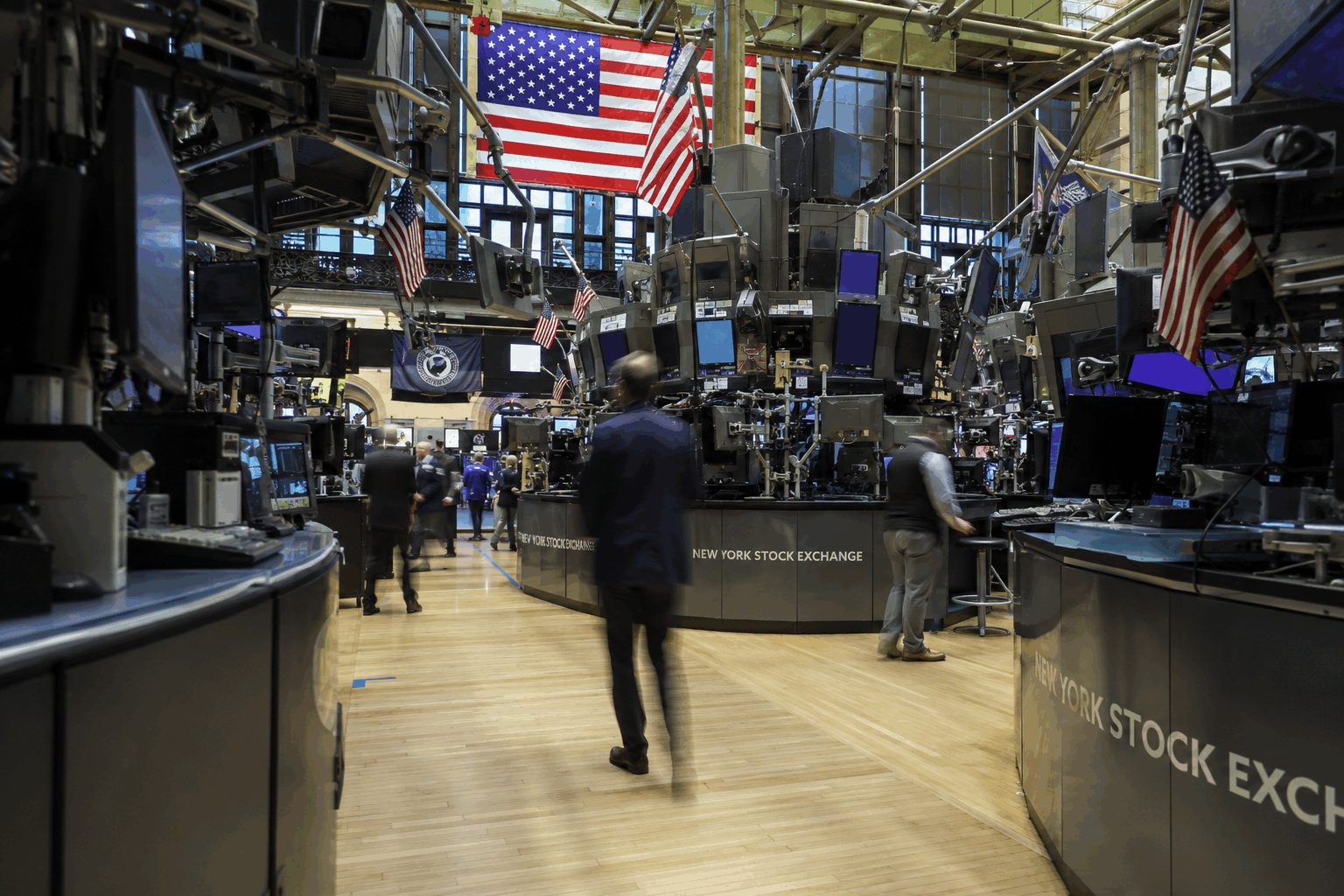
- The S&P 500 closed up 0.5% at 7,431.46, the Dow rose 0.7% to 51,202.26, and the Nasdaq Composite gained 0.3% to 25,888.84.
- Late after-hours trading in major index ETFs showed SPY at $741.75, QQQ at $721.34 and DIA at $513.06, giving investors a post-close read on broad-market sentiment.
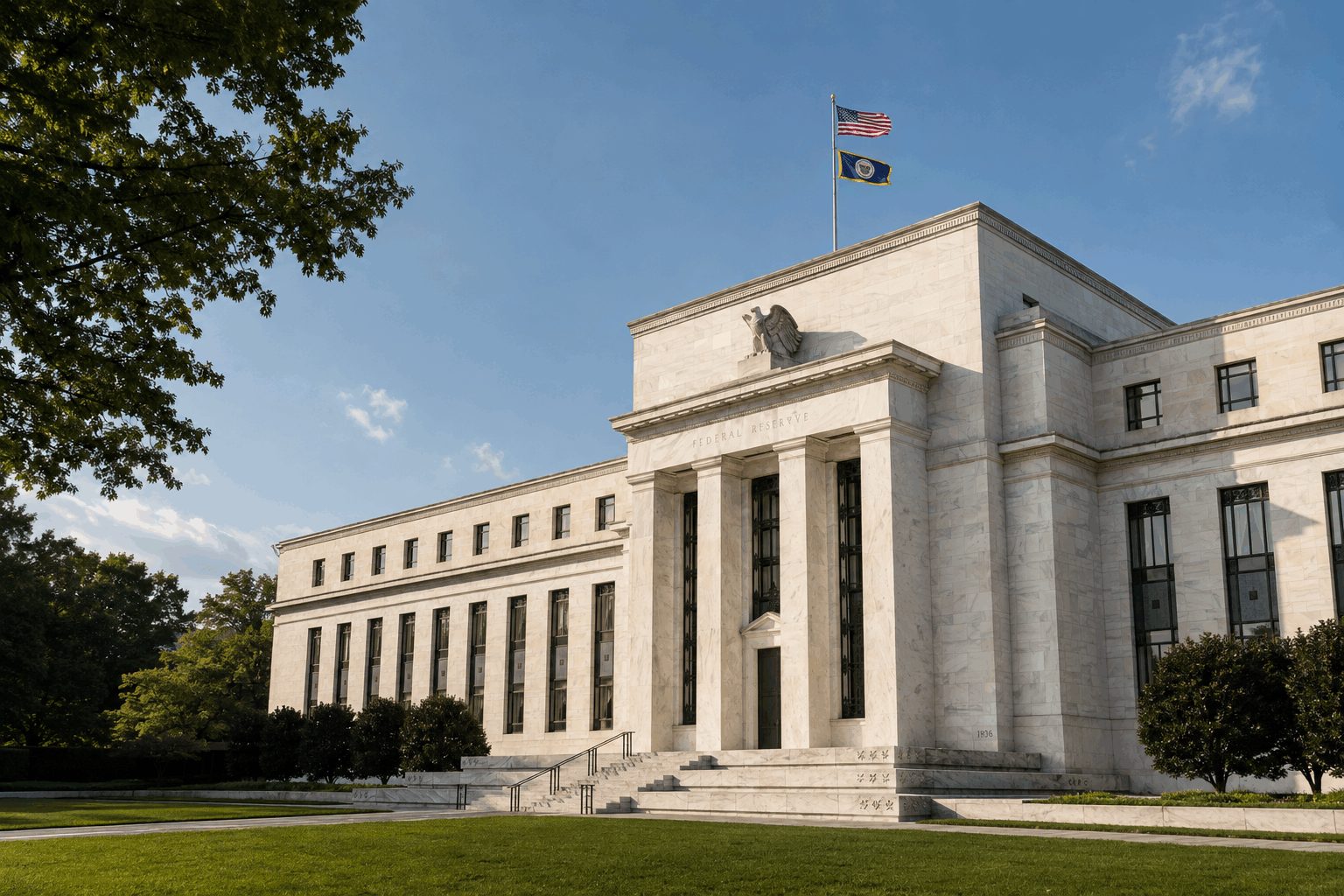
- The next major catalyst is the Federal Reserve’s June 16–17 policy meeting, with the decision due at 2:00 p.m. and a press conference scheduled for 2:30 p.m. on June 17.
U.S. stocks held a firmer tone after Friday’s close, with exchange-traded funds — stock-like baskets that track indexes and can trade after the closing bell — showing the rally largely intact in late post-market activity. The move followed a higher regular session, as the S&P 500, Dow and Nasdaq all advanced after oil prices fell and risk appetite improved.
The day’s price action mattered because investors were responding to two market-sensitive forces at once: lower energy prices and renewed enthusiasm for high-growth technology. Reuters reported that hopes for a U.S.-Iran peace deal helped pressure oil prices, easing fears that energy-driven inflation would force interest rates higher. Lower inflation risk can support stock valuations because it reduces the pressure on corporate costs and on the discount rates investors use to value future earnings.
SpaceX was the session’s headline stock catalyst. The company’s initial public offering, or IPO — the first sale of shares to public investors — ended with the stock up 19.2% at $160.95, above its $135 IPO price, giving it a market capitalization of about $2.1 trillion, according to Reuters. That lifted sentiment toward growth shares, but the reaction was not broad-based: Rocket Lab fell 10.8%, Intuitive Machines dropped 13.1% and Planet Labs lost 8.8%, showing that investors were rotating selectively rather than buying every space-related name.
Economic data also helped the bull case, but only modestly. The University of Michigan’s preliminary June consumer sentiment index rose to 48.9 from 44.8 in May; consumer sentiment measures how households view their finances and the economy, and it can influence expectations for spending. Still, the index remained well below its June 2025 level of 60.7, suggesting consumers are less pessimistic than last month but far from confident.
The bullish argument for stocks is that earnings momentum and AI-linked investment remain strong enough to justify higher prices. FactSet’s latest Earnings Insight showed S&P 500 companies were expected to post 21.9% year-over-year earnings growth in the second quarter, with more companies issuing positive than negative earnings guidance. Strong earnings growth can support stock prices because it gives investors a clearer path to profit expansion rather than relying only on valuation increases.
The bear case is that the rally is no longer cheap and remains exposed to policy disappointment. FactSet put the S&P 500’s forward 12-month price-to-earnings ratio — the price investors pay for expected profits over the next year — at 20.1, above both its five-year and 10-year averages. Reuters also noted that U.S. equity funds saw their first weekly outflow in three weeks, while the technology sector had recently confirmed a correction, a decline of at least 10% from a recent high.
For broad-market investors, the S&P 500 looks fairly valued to somewhat risky today rather than clearly attractive. The bull case rests on stronger earnings, improving breadth and a lower-oil backdrop; the bear case is that valuations leave less room for error if inflation stays sticky or the Fed sounds more hawkish. Investors’ next test comes Wednesday, when the Fed’s statement and press conference could reset expectations for rates, borrowing costs and equity multiples.
Related articles: NASDAQ:RKLB