
NEW YORK, April 17, 2026, 01:11 PM EDT
Stocks pushed higher Friday, with both the S&P 500 and Nasdaq Composite touching new intraday peaks. The Dow Jones Industrial Average also climbed, marking its strongest level in over two months. The rally followed news from Iran confirming the Strait of Hormuz would stay open to commercial ships during a planned 10-day truce. James Reilly, economist at Capital Economics, described the announcement as a “significant and necessary step” toward a possible end to the conflict. Reuters
This matters because roughly 20% of global oil flows through the strait. Both Brent and U.S. crude slipped under $90 a barrel—something not seen in over five weeks—which took some pressure off inflation concerns and reignited rate-cut speculation for later this year. Neil Dutta at Renaissance Macro says cheaper oil could allow the Fed to pivot back toward “good-news” cuts. Reuters
The surge wasn’t just about tech giants. Smaller U.S. stocks joined in, with the Russell 2000 reaching a fresh intraday high—the first since the start of the conflict. That move signals renewed appetite for rate-sensitive names as oil prices retreated.
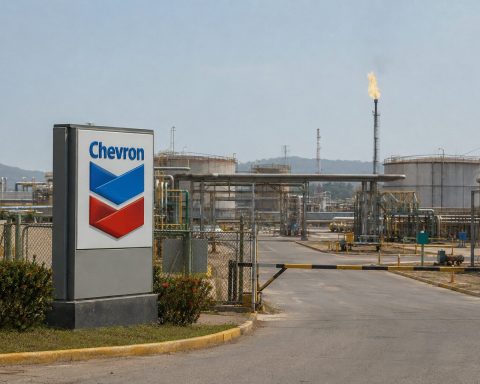
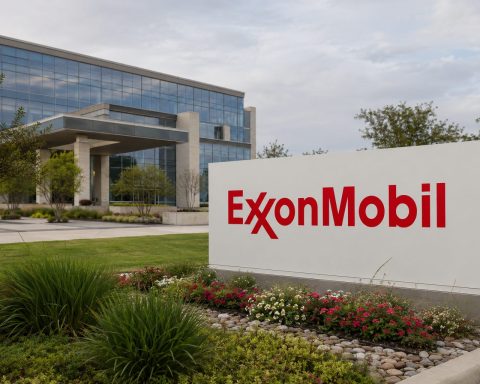
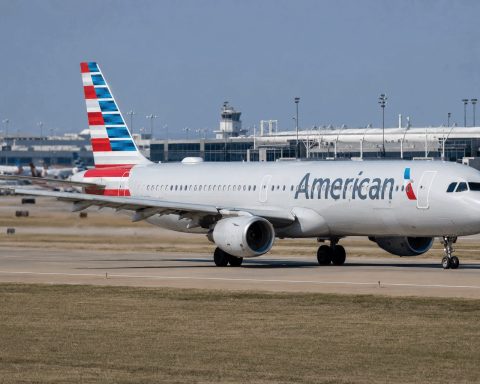
The S&P 500 climbed as much as 1.2% at one stage Friday, with the Dow up close to 2% and the Nasdaq higher by about 1.1%. Shares of Exxon Mobil and Chevron each slid roughly 5% after oil prices dropped. American Airlines jumped around 8%. ING’s Carsten Brzeski said the reopening might offer “some relief” for oil and, eventually, consumers—even if ship movement picks up only slowly. Reuters
Friday’s gain pushed the rebound further, capping a startling run. The S&P 500 has soared about 11% since hitting its March 30 low and broke through 7,000 for the first time this week. Bespoke Investment Group noted that the move from a 5%–10% pullback to a new record in just 11 trading days hasn’t been seen since at least 1928. Focus now shifts to earnings: LSEG figures are showing first-quarter profits climbing roughly 14%, with Tesla, Boeing, Intel, and Procter & Gamble set to report next week.
Bank earnings have given sentiment a lift. Truist reported a 36.3% jump in investment banking and trading income for the first quarter, and pointed out that this trend lines up with what JPMorgan Chase, Bank of America, and Citigroup recently posted. Volatility’s been a boon for trading desks, though executives are still wary about the broader economic picture.
Netflix dropped over 10% following a muted outlook and news that Reed Hastings is stepping down. The company, according to eMarketer analyst Ross Benes, now faces pressure to move beyond just subscriptions as advertising becomes increasingly important.
The biggest worry? Friday’s relief hasn’t guaranteed a return to regular shipping just yet. Shipping firms say they remain in the dark on mine locations, safe routes, and Iran’s terms for letting ships through. A U.S. Navy advisory adds to the caution, noting uncertainty around the mine threat in some parts of the waterway and urging operators to consider avoidance.
So traders aren’t done eyeing oil and freight, stock rebound or not. The European Union flagged the risk of jet-fuel shortages—officials say they’re ready to tap reserves if supply troubles drag on. U.S. equity funds, meanwhile, still pulled in $21.25 billion through the week ending April 15, as buyers stepped back into stocks.
Related articles: NYSE:CVX