NEW YORK, January 3, 2026, 6:30 PM ET — Market closed
- U.S. forces captured Venezuela’s President Nicolas Maduro on Saturday, Trump said.
- An oil embargo and stalled tanker departures have frozen Venezuela’s crude exports, sources said.
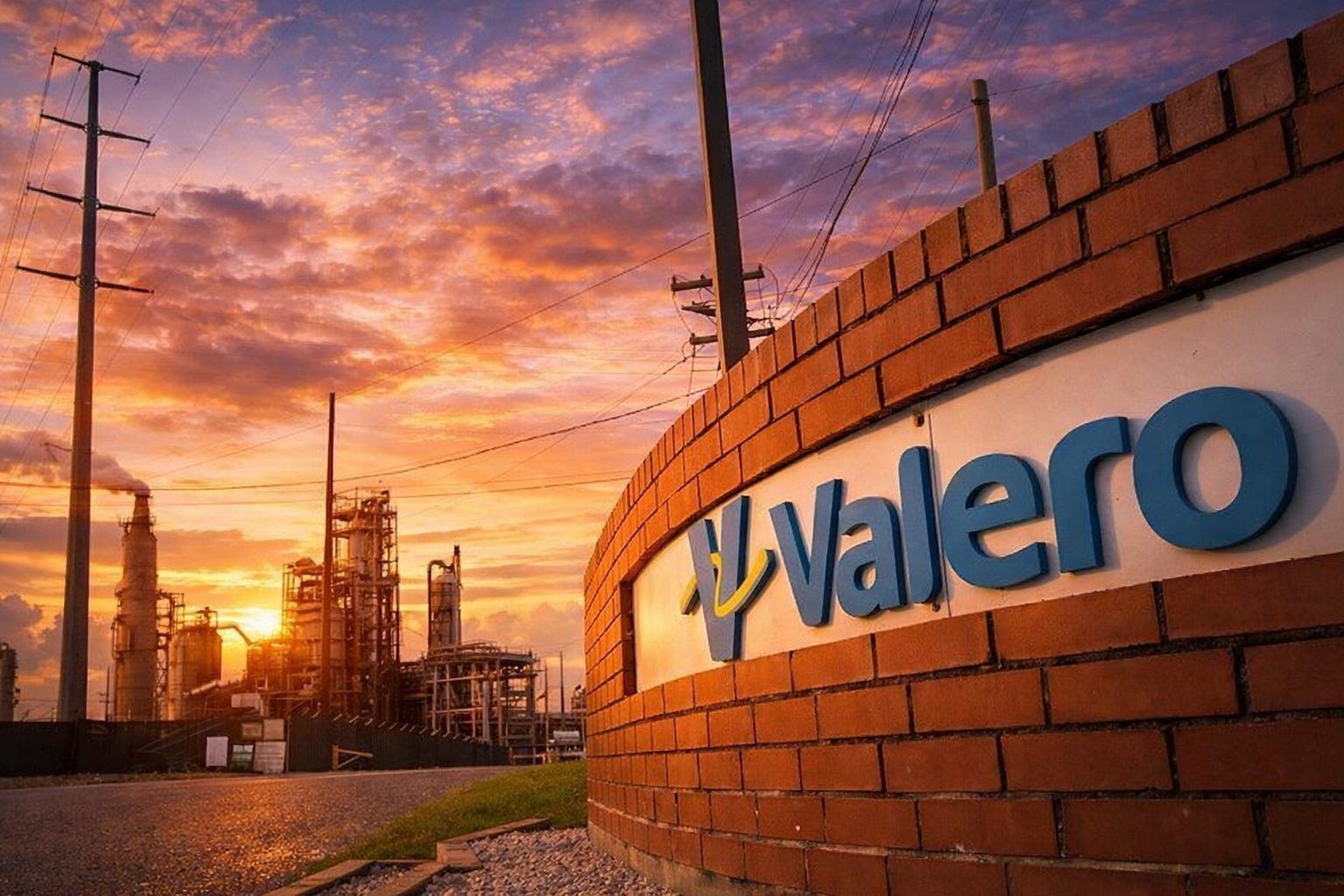
- Valero last closed up 1.5% on Friday; traders will watch Monday’s open for any spillover into refiners.
Valero Energy Corp shares will be in focus when U.S. markets reopen on Monday after the United States attacked Venezuela and captured President Nicolas Maduro on Saturday, U.S. President Donald Trump said.
The move matters for Valero because Washington’s action has tightened the screws on Venezuela’s oil flows, a source of heavy crude used by U.S. Gulf Coast refineries. Venezuela’s oil exports are now paralyzed, with port captains not authorizing loaded tankers to depart, four sources close to operations said.
With the market closed for the weekend, Valero (VLO) last ended Friday up 1.5% at $165.31. Refining peers Marathon Petroleum and Phillips 66 also closed higher, up 1.6% and 1.2% respectively.
Venezuela’s state-run oil company PDVSA suffered no damage to oil production and refining from the U.S. operation, two sources familiar with its operations said. But a U.S. tanker blockade announced in December and the seizure of two Venezuelan oil cargoes had already driven exports down sharply, forcing PDVSA to build inventories and store oil on tankers, the sources said.
Trump said U.S. oil companies were ready to invest to restore Venezuela’s oil output, even as he said a U.S. embargo remained in full effect. “It will take tens of billions of dollars to turn that industry around,” said Peter McNally, global head of sector analysts at Third Bridge. Reuters
Valero’s direct Venezuela exposure has been through crude sourcing rather than producing oil there. Chevron and Valero were in talks last year to reactivate an agreement to supply Venezuelan crude to Valero’s U.S. refineries, after Chevron received a new U.S. license, three people close to the preparations told Reuters; Chevron had supplied about 50,000 barrels per day of Venezuelan heavy crude to Valero in early 2025 before that earlier license was revoked. Reuters
For refiners, the immediate watch is the feedstock. Venezuela produces heavy sour crude — thicker oil with higher sulfur — and sudden shifts in availability can move “crack spreads,” the margin between crude costs and the price of fuels like gasoline and diesel.
A jump in crude costs that is not matched by product prices is typically a headwind for refining shares. A wider discount for heavy crude grades, by contrast, can support margins for complex Gulf Coast plants that can process them.
Oil prices settled slightly lower on Friday, with Brent closing at $60.75 a barrel and U.S. WTI at $57.32, as investors weighed oversupply concerns against geopolitical risks. OPEC+ is due to meet on Sunday, adding another potential catalyst for crude when trading resumes.
Investors will be watching for any Washington guidance on how strictly the embargo is enforced, and whether any exemptions emerge that could affect licensed exports and flows tied to Chevron’s operations. They will also track heavy-crude differentials and refined-product pricing for signs that the Venezuela shock is tightening the market for certain grades.
Valero ended Friday about 11% below its 52-week high of $185.62, and volume was lighter than its recent average — a setup that could amplify any price swings when markets reopen. MarketWatch
Before the next session, desks will watch headline risk out of Caracas and Washington, and any early reaction in crude futures as trading restarts. The key question for refiners is whether Venezuela’s export freeze proves brief — or becomes a sustained supply constraint for heavy crude.
Valero’s next company-specific catalyst is earnings. The company has said it will report fourth-quarter and full-year 2025 results on January 29 before the market opens and host a conference call at 10:00 a.m. ET; investors typically listen for guidance on refinery utilization, planned maintenance, and margin sensitivity to crude-price moves.