
New York, May 9, 2026, 11:06 EDT
Spirit Airlines, the grounded budget operator, is now the focus of a viral social-media campaign: one website says it’s racked up $132 million in non-binding commitments—far short of the $1.75 billion goal needed for a buyout. There’s no cash changing hands yet; backers have only indicated they might want in.
Timing is the tricky piece. Spirit is grounded, and a U.S. bankruptcy judge gave the green light this week for a quick wind-down. The company can now offload planes, engines, airport slots, and other assets to pay creditors. Liquidation here isn’t about packaging Spirit for a buyer—it’s about breaking up the business.
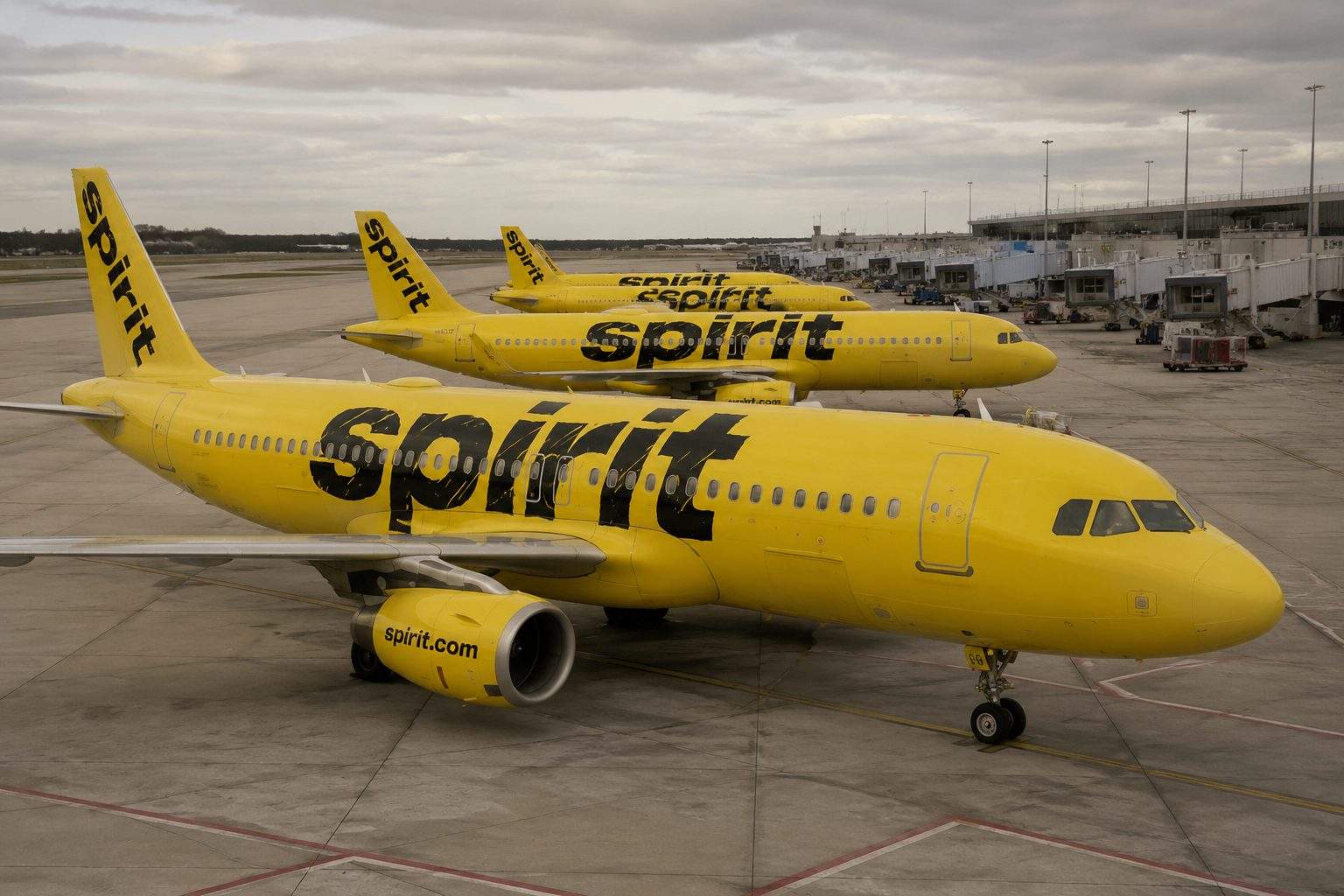
The implications stretch past Spirit’s signature yellow jets. As a U.S. ultra-low-cost carrier, Spirit made its name slashing base prices and charging for every extra—from carry-ons to picking a seat. With Spirit out, some routes could see less competition on fares; The Wall Street Journal notes that when Spirit has exited markets before, ticket prices tended to go up.
AirMail on Saturday called the campaign a far-fetched grassroots bid to bring Spirit back “for the people.” The article placed the online effort up against the actual fallout from the collapse: around 17,000 employees out of work, and passengers left stranded with no luggage. Air Mail
On May 2, Spirit told customers all flights were off and urged travelers to stay away from airports. The carrier cited a surge in fuel prices and mounting financial strains, saying it had run out of extra funding. Chief Executive Dave Davis described the need for “hundreds of millions” more in liquidity, calling the result “tremendously disappointing.”
The language in the court documents pulled no punches. Chief Financial Officer Fred Comer told the court there simply were “no longer any viable paths” left for restructuring or ongoing operations, according to Reuters. The company is now asking for $10.7 million to pay retention bonuses as it holds on to a skeleton staff to handle the wind-down. Negotiations over a $500 million government bailout unraveled when creditors raised objections. Reuters
That’s the gamble facing supporters of the online proposal. Pledges need to turn into actual funds, take their chances against secured creditors, protect the airline’s rights to operate, and leave enough of the carrier standing to actually fly again. Bankruptcy court doesn’t give extra weight to a well-trafficked website.
Competitors aren’t wasting time. According to Reuters, Frontier, JetBlue, and Southwest have rolled out discounted tickets or other assistance for Spirit travelers left in the lurch. JetBlue, which tried to acquire Spirit before its deal was shut down in 2024, is among those stepping in.
The asset sale could end up outshining any comeback attempt. Reuters on Friday noted Spirit runs an all-Airbus lineup with 114 A320-family planes — 66 of which are leased — and pointed to hot demand for Pratt & Whitney Geared Turbofan engines found on newer A320neo models. “Limited temporary relief,” is how Willis Lease Finance Corp CEO Austin Willis described the market effect. KP Aviation’s Scott Butler put it plainly: “There’s a lot of money in the engines.” Reuters
Spirit says refunds to credit and debit cards are underway, but don’t expect a rebooking on another airline. Free Spirit points can’t be redeemed anymore. If you’re holding onto vouchers, credits, or points, compensation is in limbo for now—it’ll get sorted out during the bankruptcy process.
The viral campaign could yet sway the debate on low-cost airfare, airline consolidation, and the question of control over critical travel corridors. Purchasing Spirit, though, is a different story. Without a concrete, well-financed offer soon, bankruptcy is already dismantling the airline.
Related articles: Airlines