
New York, May 23, 2026, 13:02 (EDT)
- The S&P 500 has now logged eight weeks up in a row. The Dow ended Friday at a record close.
- Memorial Day keeps U.S. markets closed Monday. The shortened week brings more inflation data and some late earnings.
- Bond yields, oil, and news out of the Middle East are still the biggest risks for the rally.
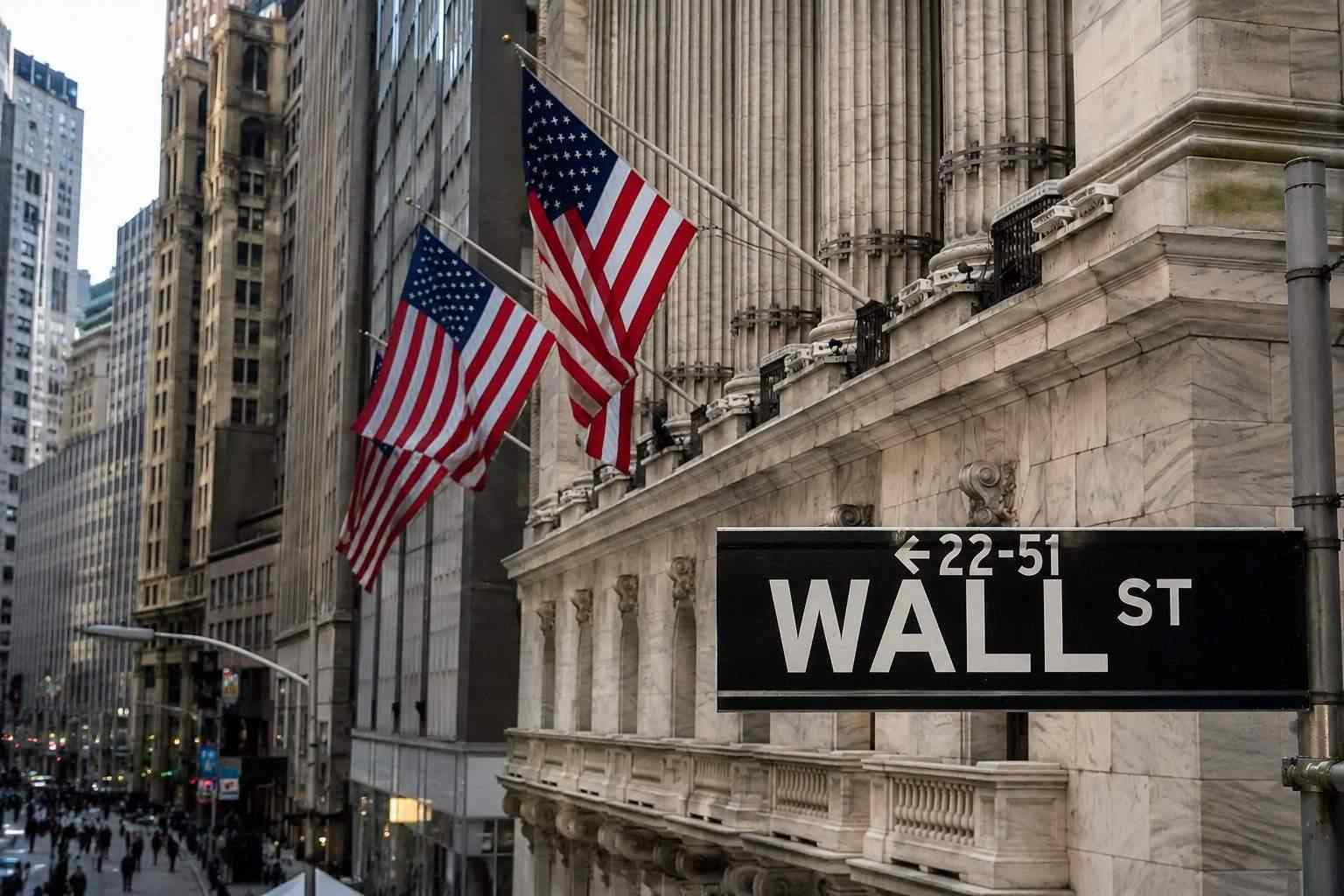
S&P 500 closed out the week moving closer to its record, while the Dow Jones Industrial Average hit another closing high ahead of the long holiday weekend. U.S. stocks kept climbing as the rally continued.
Investors are still buying into earnings and artificial intelligence growth, despite consumer gloom and tough bond markets for stocks. U.S. exchanges will shut Monday, May 25, for Memorial Day, NYSE and Nasdaq holiday calendars show.
S&P 500 finished up 0.4% Friday at 7,473.47, while the Dow added 0.6% to 50,579.70. The Nasdaq Composite closed 0.2% higher at 26,343.97. On the week, the S&P 500 gained 0.9%, the Dow advanced 2.1%, the Nasdaq was up 0.5%, and the Russell 2000 rose 2.7%.
S&P 500 has climbed for eight straight weeks, the longest stretch since a nine-week rally that wrapped up in December 2023. “Earnings season looked really good,” said James St. Aubin, chief investment officer at Ocean Park Asset Management. He said the fundamentals were “really solid.” Reuters
PC stocks got a boost. Dell Technologies and HP rose after Lenovo posted solid revenue, waking up buyers in the sector. Market sentiment also tracked reports of possible steps forward in Middle East peace talks. Treasury yields eased later in the week, with the 10-year dropping to 4.558% on Friday.
Next up is the April personal consumption expenditures price index, which comes out Thursday. The Bureau of Economic Analysis said PCE is the inflation gauge the Federal Reserve watches most closely for its 2% target. It measures price shifts for what consumers buy in goods and services.
Consumer sentiment lost ground in May, with the University of Michigan’s final reading dropping to 44.8 after 49.8 in April. Expectations for inflation moved higher, with the year-ahead outlook at 4.8% and longer-term at 3.9%. Joanne Hsu, who runs the survey, called the cost of living a “first-order concern.” SCA Michigan
The Fed is left in a tough spot. Nomura scrapped its view that there would be rate cuts in 2026, pointing to recent data and Fed statements that cast doubt on easier policy. The firm also mentioned price pressures from the Iran conflict and a memory-chip shortage. According to Reuters, markets were putting the odds of at least one 25-basis-point rate hike by the Fed this year at around 58%, with one basis point equal to one-hundredth of a percent.
Wall Street is still holding to its bullish outlook. UBS Global Wealth Management upped its S&P 500 target for the end of 2026 to 7,900 from 7,500, pointing to steady consumer spending and continuing demand for AI-related data-center infrastructure. UBS strategists said the main “bull market drivers remain intact.” But they pointed to oil and interest rates as pressure points. Reuters
But the set-up is shaky. If oil climbs again, if Thursday’s PCE data show inflation reaching past energy, or if Treasury yields head higher, investors could decide strong earnings aren’t enough. Jim Baird, chief investment officer at Plante Moran Financial Advisors, said inflation concerns “continue to flare” and added that higher long-term yields might put a “practical lid” on stocks if they stick around. Reuters
Earnings reports from Salesforce, Costco and Best Buy are on deck in the shortened week as first-quarter season wraps up. Anthony Saglimbene, chief market strategist at Ameriprise, said investors are shifting focus. “The macro environment is starting to take more center stage,” he said. Reuters
Related articles: NYSE:DELL