
DETROIT, May 19, 2026, 08:04 EDT
Nissan has pulled back a bulletin about possible U.S. motor oil shortages, with the move putting a fresh spotlight on how the Middle East oil shock is filtering into service departments. The automaker told dealers that supplies are currently fine but said things could shift fast, Hearst Television’s Washington News Bureau reported Monday.
More than just gasoline is getting squeezed now. Base oil, which makes up most of many lubricants, is getting tighter right as summer driving and auto service pick up. The Independent Lubricant Manufacturers Association says base oils account for about 75% of engine lubricants, with prices moving higher on Middle East conflict, limited Korean refining, and diesel-focused refinery economics.
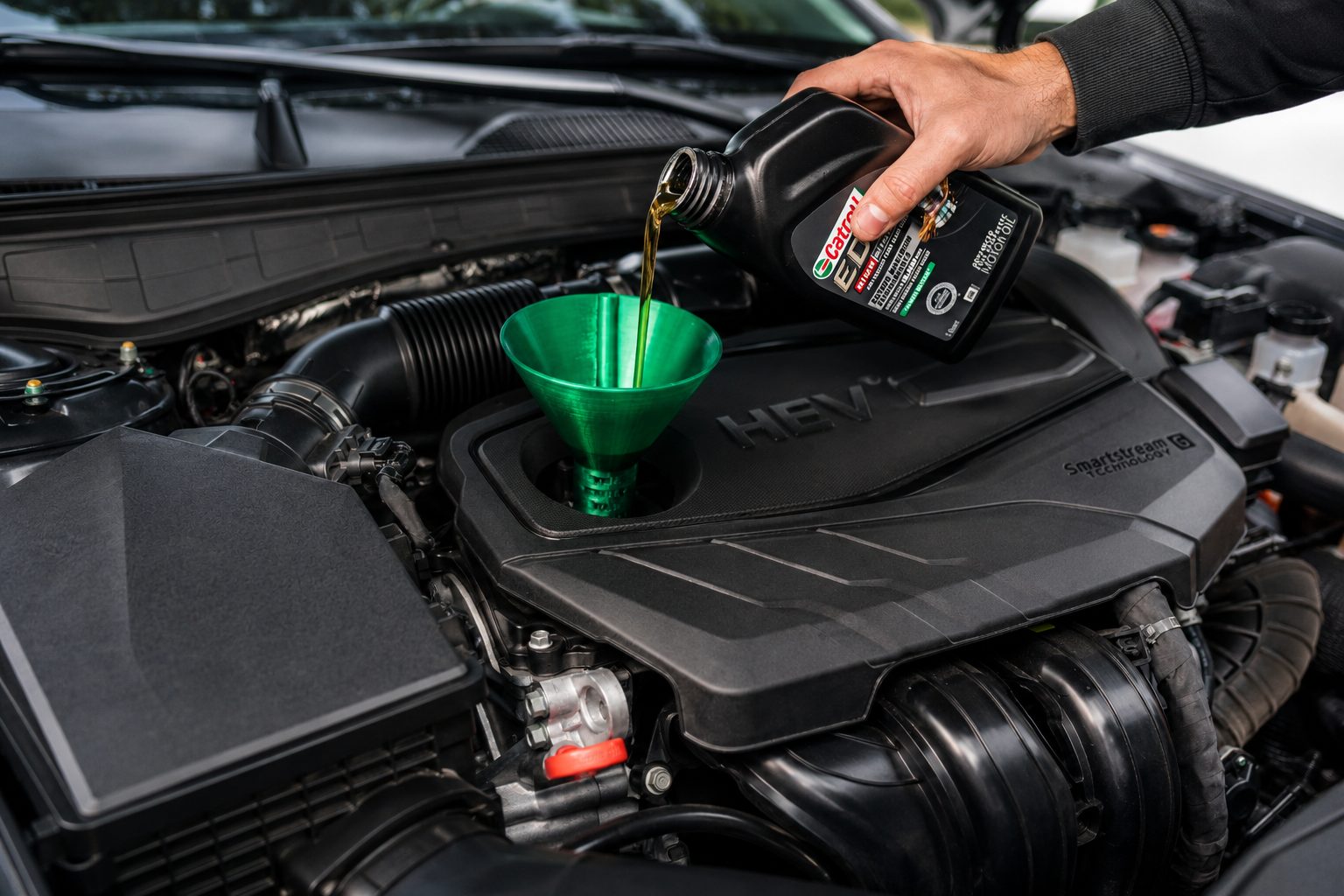
Group III base oil is in focus. It’s a refined petroleum product used in many thinner synthetic motor oils like 0W-8 and 0W-16. These low-viscosity oils go into newer engines that look to cut friction and boost fuel economy. According to ILMA, about 44% of U.S. Group III demand gets filled from the Persian Gulf. Shipments from the region have taken hits after Shell’s Pearl GTL plant in Qatar was damaged, plus force majeure moves in Bahrain and the UAE, and with the Strait of Hormuz closed.
Nissan plans to manage supplies of Nissan Genuine Oil, including Mobil and Mobil 1, at 55% of last year’s volume due to a supplier-driven price change, according to a draft bulletin seen by The Drive. A spokesperson confirmed the document’s authenticity to the outlet but said it wasn’t yet sent to dealers. Nissan is “closely monitoring current oil supply constraints” with suppliers, the spokesperson said. The Drive
Toyota is involved as well. The Drive said it saw a purported dealer bulletin from Toyota about possible shortages of 0W-8 and 0W-16 oils, and that the company had suggested dealers use other oils for now. Toyota had not verified whether the bulletin was real when The Drive published the story.
General Motors is keeping tough restrictions around its oil specs. ILMA said GM has refused to halt enforcement for its Dexos licensing program, which controls GM-approved engine oils, but GM is giving faster reviews on other base oils and blends. ILMA CEO Holly Alfano said the association is still worried after GM wouldn’t provide short-term relief.
Lubricant cost and supply worries are spreading outside of carmakers. Shell, Valvoline and O’Reilly Automotive have all flagged either higher costs or possible supply snags, according to Axios. Amanda Hay at ICIS said “actual shortages are starting to appear” for some synthetic oil products. But lubricant analyst Tom Glenn told Axios he wouldn’t call it a “broad retail shortage” yet. Axios
Drivers could see fewer options before facing any kind of oil shortage. “A little bit more of a headache” is how GasBuddy petroleum analyst Patrick De Haan described the next oil change to Money. Caitlin Jacobs, ILMA’s director of communications, said drivers should still get service if a shop offers an approved substitute. Money
Oil markets remain tight. The International Energy Agency said last week losses from the Middle East had now topped 1 billion barrels, with over 14 million barrels a day of production shut in. The agency called it an unprecedented shock.
Refining margins are getting squeezed. Chinese state refiners have dropped crude runs by over 1 million barrels a day since the war in Iran started, Reuters said on Tuesday. Supply issues and poor margins pushed top refiners like Sinopec, PetroChina, CNOOC and Sinochem to cut throughput.
Risk isn’t one-sided here. More tankers moving through Hormuz and quicker recovery of Gulf output could mean that dealer supply warnings don’t spread to retailers. Still, ICIS said Tuesday Strait of Hormuz transit levels stayed well below pre-crisis, though crude prices slipped when U.S. President Donald Trump paused a strike on Iran.
For now, the expected impact is steeper prices, stricter allocation, and more product swaps at service counters, rather than bare shelves. What’s less clear is how long this lasts. ILMA’s May guidance to customers warned that some high-end synthetic products could disappear for a while, and said base-oil market conditions likely won’t be back to normal before mid-2027.
Related articles: NYSE:XOM