
New York, Jan 14, 2026, 07:10 EST — Premarket
- Gasoline-linked UGA edged up in early electronic trading.
- Gasoline futures held steady following a crude rally sparked by Middle East tensions.
- U.S. traders await official inventory figures set for release Wednesday.
Shares of United States Gasoline Fund LP (UGA) were indicated higher by $1.03, or roughly 1.6%, at $65.73 ahead of the U.S. open, buoyed by stronger wholesale gasoline prices. NYMEX RBOB gasoline futures—the key U.S. benchmark—last ticked up 0.35% to $1.8329 a gallon.
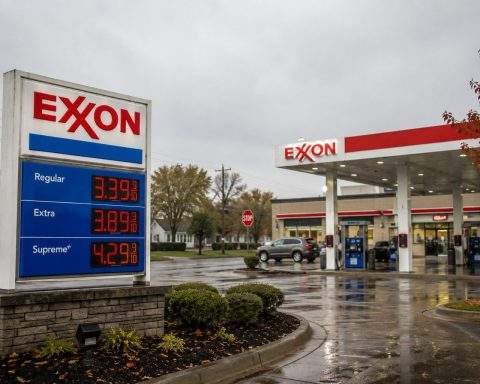
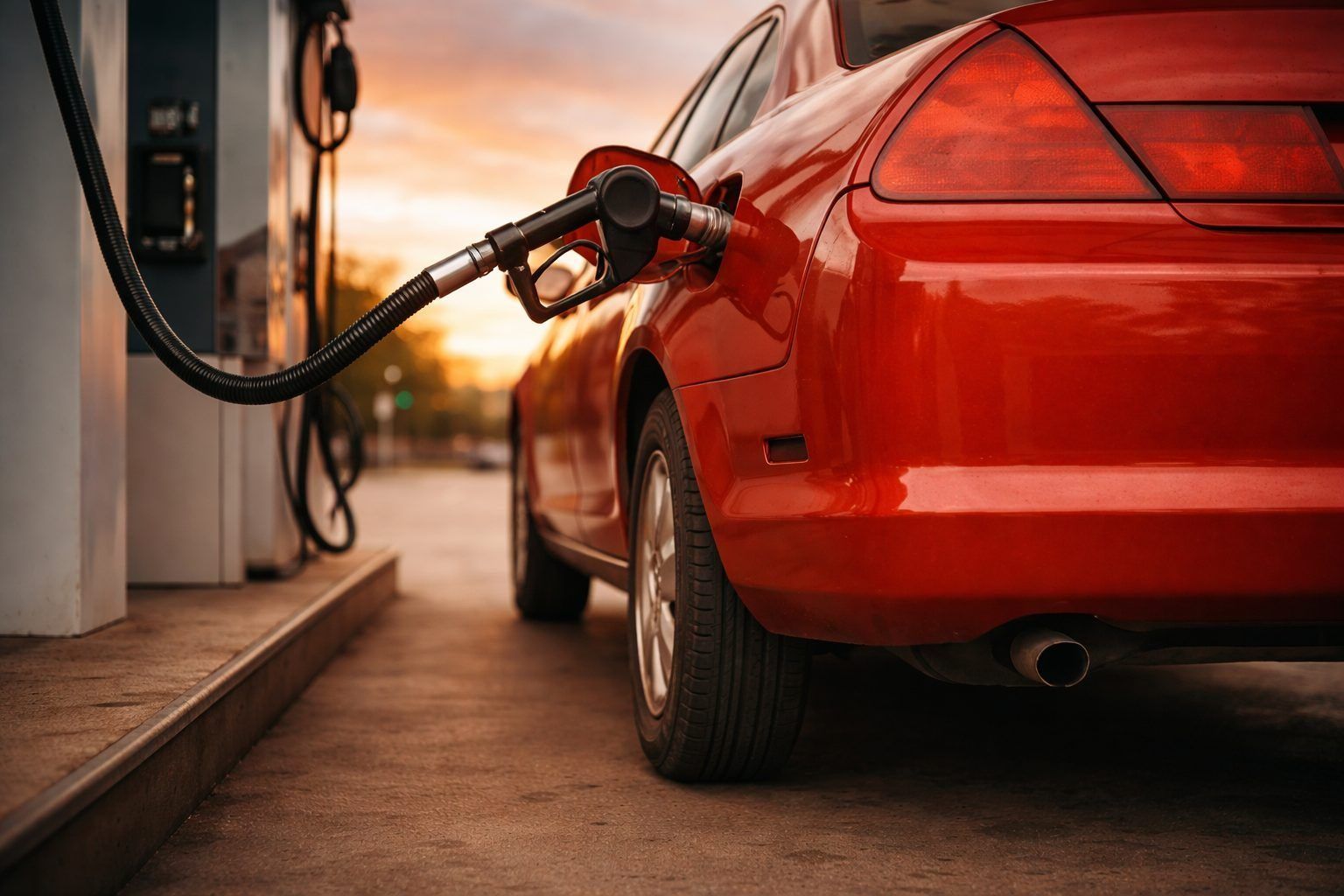
This is crucial since pump prices tend to lag, yet wholesale rates can shift abruptly with supply concerns and inventory changes. On Wednesday, AAA reported the national average retail price for regular gasoline at $2.84 a gallon.
The next key data release comes from the U.S. Energy Information Administration’s weekly petroleum status report at 10:30 a.m. Eastern. It details gasoline and crude inventories, refinery throughput, and implied demand.
UGA aims to track daily percentage changes in gasoline prices through near-month NYMEX RBOB futures linked to New York Harbor delivery, factoring in interest on collateral and subtracting fees, according to the fund sponsor.
Crude prices gained on Wednesday, driven by fresh geopolitical tensions surrounding Iran, despite U.S. data showing a looser supply-demand picture. “We are in a period of geopolitical instability and potential supply disruption,” said Jorge Montepeque, managing director at Onyx Capital Group. The American Petroleum Institute reported a jump of 8.23 million barrels in U.S. gasoline inventories last week, alongside a 5.23 million barrel rise in crude stocks. Citi analysts responded with a note raising their three-month Brent forecast to $70 a barrel, citing a higher risk premium. Reuters
Energy stocks showed a mixed start. Valero climbed roughly 1.2%, Marathon Petroleum edged up 0.2%, but Phillips 66 fell around 0.8%. Exxon Mobil advanced about 2.0%, with Chevron gaining close to 0.9%.
For refiners, the price direction counts, but the spread is more crucial — how much gasoline and diesel climb compared to crude. If gasoline jumps ahead of oil, margins get a boost; a move driven solely by crude can tighten them, particularly when product inventories run high.
There’s a clear downside risk here. Should the EIA report back up the API’s large gasoline build or reveal refinery runs outpacing demand, RBOB futures could take a hit, dragging UGA back down after its initial spike.
Consumer prices usually smooth out the intraday swings. Patrick De Haan of GasBuddy told Fox 17 that oil and gas prices operate on a “global” scale, not just within the U.S. This underscores how geopolitical events and international supply shifts can affect pump prices, even when domestic demand is low. FOX 17 West Michigan News (WXMI)
Related articles: NYSE:XOM