
New York, Feb 20, 2026, 12:33 EST — Regular session
- Gold pops back above $5,000, with growth concerns resurfacing.
- Risk appetite jumped—and policy uncertainty deepened—after the Supreme Court’s tariff decision.
- U.S.-Iran headlines and the Fed’s timing both remain in sharp focus
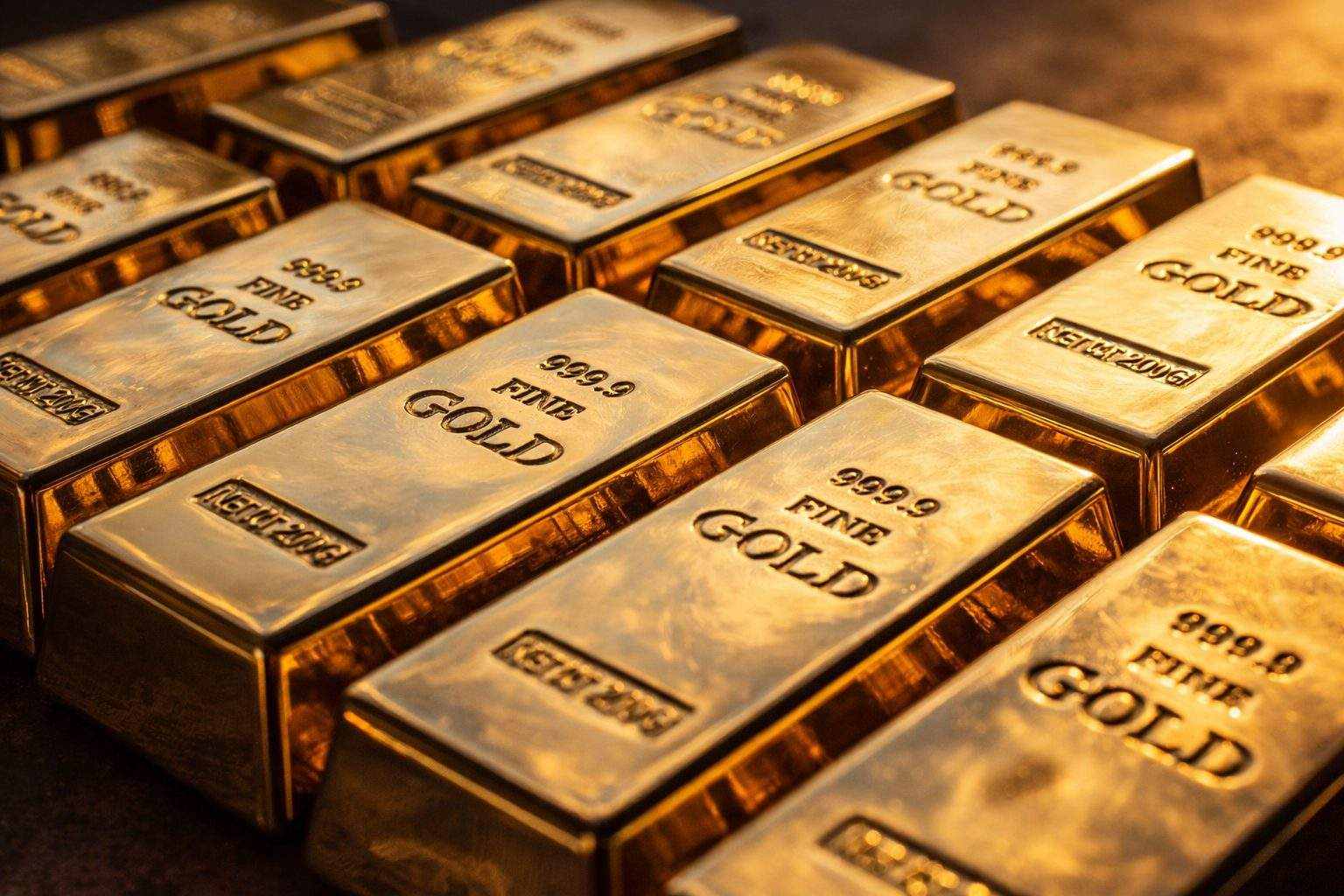
Gold climbed on Friday, sending spot prices north of $5,000 an ounce after disappointing U.S. growth figures kept the door open for possible Federal Reserve cuts. Traders also digested a Supreme Court setback for President Donald Trump’s tariff proposal.
Spot gold added 1%, reaching $5,047.10 an ounce as of 11:08 a.m. ET. April U.S. gold futures moved up 1.4% to $5,065.70. The GDP data pointed to fourth-quarter growth easing to a 1.4% annual pace, and December’s PCE price index—watched closely by the Fed—rose 0.4%. Independent metals trader Tai Wong described the court decision as “good for stocks and bad for gold.” Reuters
This shift is key: bullion’s action keeps reflecting the tug-of-war over how quickly U.S. growth is slowing and whether the Fed might cut rates—or if sticky inflation will keep pressure on borrowing costs. The 10-year Treasury yield edged up to 4.094%. The dollar index, down at 97.74, was still on track for its sharpest weekly gain since October.
Gold barely budged a day earlier, with spot prices hovering around $4,979 as traders weighed the latest U.S.-Iran tensions and waited for more definitive inflation cues. “We’re being whipsawed and moving sideways with volatility,” said Daniel Pavilonis, senior market strategist at RJO Futures. Minutes from the Fed, released Wednesday, showed policymakers divided over their next moves. Weekly jobless claims dipped to 206,000, a sign the labor market remains sturdy. Reuters
The Supreme Court tossed out Trump’s global tariffs, which had been imposed under emergency powers—these included the April 2 “Liberation Day” tariffs, setting a 10% minimum duty on all U.S. imports and slapping on extra charges between 15% and 50% for a swath of countries. “Markets are responding with a greater risk appetite for equities because we finally got something resolved,” said Todd Schoenberger, chief investment officer at CrossCheck Management. Economists from the Penn-Wharton Budget Model flagged that over $175 billion collected from these tariffs might have to go back. Reuters
Gold bounced back after a volatile start to the week. Spot prices dropped over 2% to $4,841.74 on Tuesday, but by Wednesday afternoon they had recovered, climbing above $4,992. Marex analyst Edward Meir pointed out the “nervousness” in the market over geopolitical tensions. Still, he noted, February has held to “a very tight trading range.” Reuters
Gold doesn’t offer interest, so it tends to slip when bond yields climb and the dollar strengthens. Higher yields mean investors can find better returns elsewhere, and for buyers outside the U.S., bullion just gets pricier. A 25 basis point rate change—just a quarter of a percent—can be enough to jolt the market, especially when there’s a lot riding on positions and yield forecasts start to shift, even a little.
Silver led gains over gold once more, with platinum and palladium ticking higher too. It’s a mix: safe-haven flows tangle with industrial buying, and the scales tip quickly when headlines shift.
Gold shares didn’t all track the metal’s move up. On the TSX, gold stocks dropped 1.3%, with the wider mining group off 0.7%—this was despite increases in both gold and silver prices. Michael Dehal, senior portfolio manager at Raymond James, pointed out that taking off tariffs might “add deflationary pressure,” and that could muddy the Fed’s outlook. Reuters
The risk is obvious. Should inflation refuse to budge and yields continue their upward march, gold could fall quickly — particularly if the tariff ruling sticks and investors keep favoring equities over safe-haven plays.
Traders have their eyes peeled for any fresh White House moves to bring tariffs back by different legal channels, plus any shifts in the U.S.-Iran standoff as the weekend approaches. These are exactly the sorts of surprises that can stretch spreads and drive up demand for safe havens—even if the rate picture points the opposite direction.
March 17-18 marks the next key Fed meeting—officials will unveil fresh economic and rate outlooks. Right now, markets are betting the first quarter-point cut lands at the June 16-17 gathering.
Related articles: Gold