
SANTA CLARA, California, September 1, 2026, 04:08 CEST
- Intel closed Monday at $89.51, up 0.04%, on 65.0 million shares.
- The stock sits 5.8% below Intel’s $95 offering price.
- The base issuance equals 4.2% of Intel’s June share count.
- Q2 revenue rose 25%, while Foundry lost $2.09 billion.
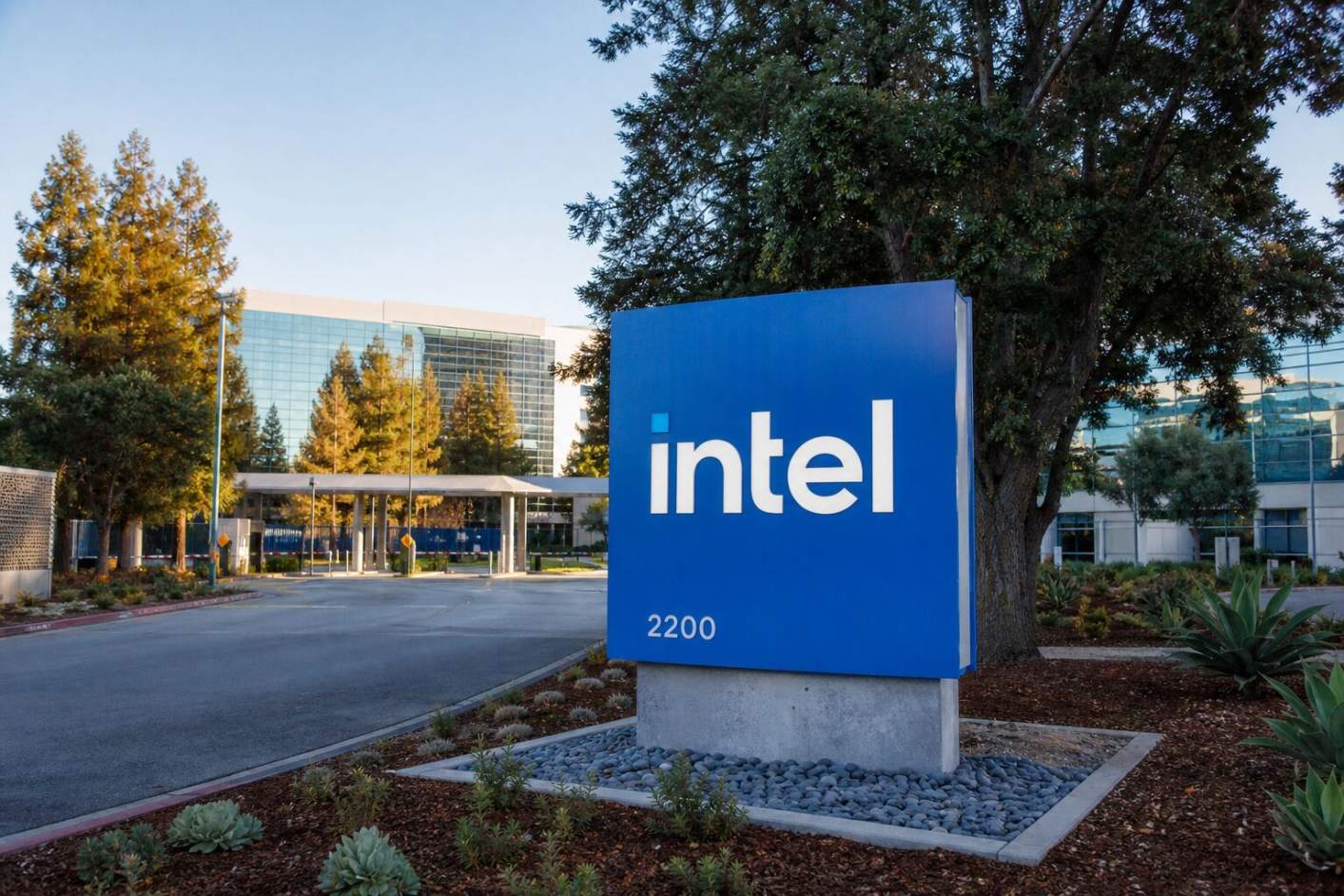
Intel Corporation NASDAQ:INTC closed almost unchanged Monday at $89.51. That left the stock 5.8% below its recent $95 offering price Yahoo Finance.
The gap matters more than Monday’s four-cent gain. Applied to the base offering, it represents a $1.16 billion paper shortfall.
Intel issued 210.5 million shares in the base deal. That equals 4.2% of the 5.043 billion shares outstanding in June. Full use of the underwriters’ option would lift the ratio to 4.8% Intel’s offering filing.
Intel’s latest five-session close
U.S. dollars per share;
Source: Barchart market data via Raymond James. Closing prices are unadjusted.
Monday’s range ran from $88.97 to $91.85. Volume reached 64.99 million shares, 35% below the three-month average. The quieter turnover suggests price acceptance remains unsettled.
Last week’s path was uneven. Intel rose 4.4% Thursday, then lost 2.9% Friday. Monday’s flat close preserved that lower base.
The $95 offering created a visible price hurdle
Calculated from 210,526,315 base shares. Source: Intel offering filing and August 31 close.
The offering delivered about $19.7 billion of net proceeds. Intel earmarked the cash for general purposes, including capital spending and working capital. The sum equals 66% of June cash and short-term investments.
That funding buys time. It does not settle the return on Intel’s factories. The company’s Q2 numbers show both sides of the case.
Revenue rose 25% to $16.13 billion. GAAP gross margin reached 40.4%, against 27.5% a year earlier. Operating income was $1.80 billion Intel Q2 results.
Q2 segment operating margins split sharply
Operating income divided by segment revenue; percent.
Source: Intel Q2 2026 segment results. Margins calculated from reported revenue and operating income.
Intel Products earned $4.82 billion at the segment level. Foundry lost $2.09 billion on $5.77 billion of revenue. That implies a negative 36.2% operating margin.
CFO David Zinsner offered a technical counterweight last week. He said 14A defect density was “tracking better than the target curve.” External customer engagement had also increased Tom’s Hardware.
The timeline remains long. Intel targets 14A risk production in late 2027 and volume production in 2028. Defect density also does not equal commercial yield.
Analyst targets show unusually wide outcomes
U.S. dollars per share; compiled figures available at reporting time.
Source: Yahoo Finance analyst insights. Targets are estimates, not guarantees.
Analyst targets underline that uncertainty. The compiled range spans $75 to $200, with a $114.88 average. Intel’s current price sits much nearer the low end.
The week ahead has no earnings reset. Investors will instead test whether $89 to $95 becomes support or overhead supply. Any firm external 14A commitment would carry more weight than another process update.
Risks: Factory delays could extend Foundry losses. A stronger AI cycle could improve product mix faster than expected. Broad chip volatility can overwhelm company-specific signals.
The offering solved a financing question. The discount now asks a harder one: whether Intel can earn an adequate return on that new capital.
Related articles: NASDAQ:INTC