New York, March 2, 2026, 14:15 ET — Regular session
- AES dropped roughly 17% to $14.29, slipping under the $15-per-share buyout bid.
- The offer comes in under Friday’s closing price, so traders are zeroing in on deal risk and the drawn-out timeline to closing.
- Now, eyes move to AES and its Form 10-K, slated for Monday, with the company’s regulatory outlook stretching all the way through 2027 on the radar.
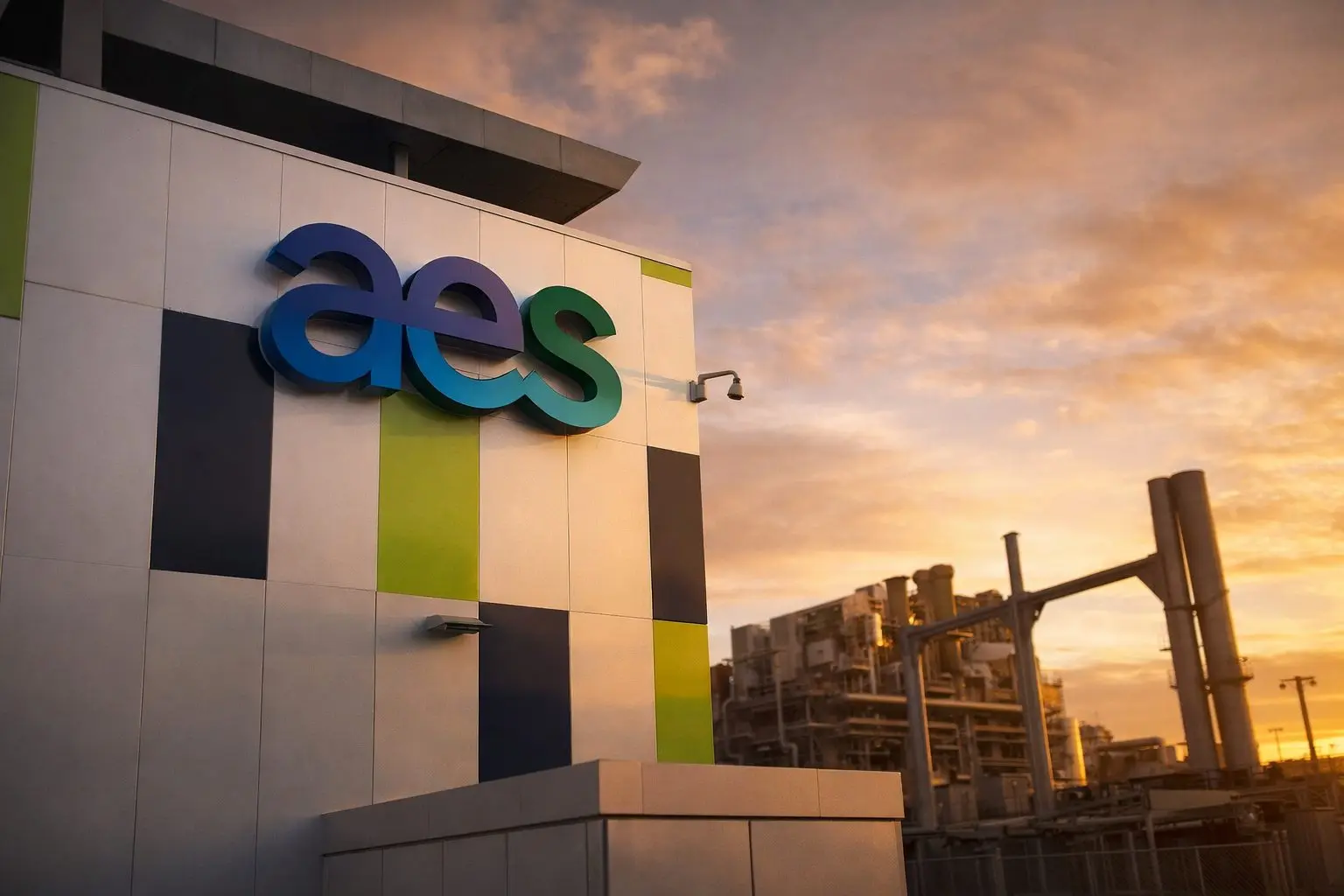
AES Corp slid roughly 17% Monday, with investors selling after the U.S. power company struck a deal to go private at $15 a share. By the afternoon, AES was changing hands near $14.29, still under the buyout offer, following a steep drop at the open.
It’s a rare sight for a buyout day: shares tumbled. AES’s offer landed beneath Friday’s close, a level already boosted by months of takeover chatter. The spread—the gap between deal price and current trading—often signals just how much risk and runway investors are now pricing into closing this transaction.
The agreement drops into a market where power is once again seen as something in short supply, thanks to the surge in data centers and growing electrification putting utilities and generators front and center. Nicholas Amicucci at Evercore ISI noted the backing consortium means AES gets “improved access to capital,” and isn’t as dependent on hitting leverage goals set by the public market. Reuters
AES disclosed in a filing that it struck a merger agreement back on March 1, with its board giving the green light and planning to urge shareholders to do the same. The deal is targeting a close in late 2026 or the early part of 2027, though it still needs shareholder sign-off and a stack of regulatory clearances. Termination fees, according to the agreement, could climb into the hundreds of millions.
AES pitched the deal as a move to tackle upcoming funding crunch. Board chair Jay Morse pointed to a “significant need for capital” past 2027. CEO Andrés Gluski called the transaction one that “maximizes value” for existing shareholders. The company scrapped its scheduled results call and now plans to file its 2025 annual report on Form 10-K this Monday. SEC
An investor presentation listed enterprise value, which factors in debt, at roughly $33.4 billion, and showed consolidated net debt standing at $27.6 billion as of Dec. 31, 2025. The consortium, according to the same document, aims to use equity to fund the acquisition—no financing contingency attached—and intends to keep its investment-grade credit profile.
Traders are weighing if the $15 cash offer—already under the pre-deal level—will stick, and just how steep a discount the market wants as it sits through the approval process. Shares trading beneath the bid point to both the drawn-out timeline and the heightened scrutiny typical for regulated utility buyouts.
This deal faces plenty of snags. A lengthy regulatory process, stricter demands from state utility overseers, or national-security concerns about foreign buyers could stall or sink it, and the filing highlights the risk of lawsuits or other setbacks. If talks collapse, investors are stuck with AES’ balance sheet and financing approach—the company itself has flagged that, absent this transaction, dividends or issuing new shares might be up for debate.
AES maintains its Indiana and Ohio utilities will keep local operations. The buyer group insists customer rates won’t be affected by the deal. That’s their argument, but the approvals process is where it gets put under the microscope.
AES’s Form 10-K lands later on March 2, with the initial proxy filing to follow, locking in the shareholder-vote timeline. After those, expect a string of regulatory moves to take over—these milestones could eclipse daily price swings in significance.