
New York, March 2, 2026, 13:12 (ET) — Regular session
- April natural gas on NYMEX jumped almost 4%, with traders reacting to renewed concerns over LNG supply.
- Qatar stopped LNG output following Iranian strikes, sending Europe’s gas benchmark higher.
- Attention now shifts to the U.S. storage report due Thursday, along with potential news on Gulf shipping.
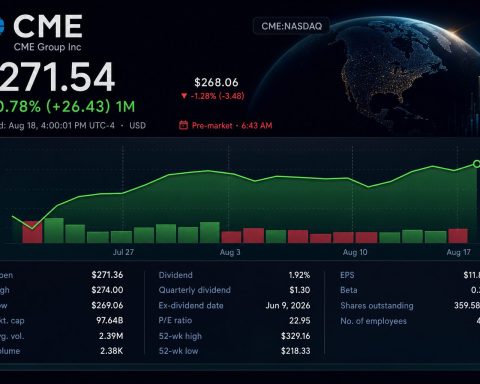
Natural gas prices in the U.S. jumped on Monday, lifted by a wider energy jolt stemming from Qatar’s suspension of its liquefied natural gas production. April Henry Hub futures, the most-traded contract, advanced 11 cents, up 3.85%, to settle at $2.969 per mmBtu, according to CME Group data.
This shift is significant: Qatar acts as a swing supplier in LNG—the ultra-cold gas that moves by tanker when pipelines aren’t an option. Any supply disruption out of Qatar can push global prices higher in a hurry. If that persists, more U.S. gas tends to flow out through export terminals.
Qatar has stopped LNG production following Iranian drone strikes that damaged key facilities, Reuters said, citing sources. State-owned QatarEnergy was moving to declare force majeure, a legal move that could allow it to skip deliveries. “The attack … marks a significant escalation,” said Torbjorn Soltvedt, principal Middle East analyst at Verisk Maplecroft. Reuters
Europe’s Dutch TTF benchmark shot up over 40%. Over in Asia, LNG spot rates also spiked, with traders scrambling as cargo routes hit snags and spot supply got squeezed. “The near-term result is likely to be heightened volatility in global energy markets,” said Kenny Zhu, research analyst at Global X. The Strait of Hormuz, handling roughly 20% of global LNG flows, has suddenly come under the spotlight. Reuters
Henry Hub tends to see smaller swings than prices in Europe or Asia, since the U.S. is still dominated by pipelines and storage rather than spot LNG cargoes. For U.S. traders, the real question is if elevated global prices will mean LNG export demand hangs on through the spring shoulder, when both heating and cooling needs typically ease.
Fundamentals showed U.S. working gas in storage dropped to 2,018 billion cubic feet (Bcf) for the week ending Feb. 20, a 52 Bcf decrease from the previous week, according to government figures. Inventories still sat 7.5% above levels from a year ago, and only 0.3% short of the five-year average. The next update lands Thursday, March 5.
Supply is still the key pressure point. The U.S. Energy Information Administration projects U.S. dry gas output will average 109.97 Bcf per day in 2026—a rate capable of capping price spikes if weather stays mild and storage isn’t squeezed.
Still, the rally looks fragile. A rapid recovery in Qatari production, fewer attacks in the Gulf, or shipping routes getting back to normal—any of these could wipe out the risk premium just as fast as it showed up.
The immediate focus shifts to Thursday’s EIA storage report, with additional attention on fresh headlines about LNG cargo cancellations, Gulf tanker routes, and updates from Middle East gas facilities.
Related articles: NASDAQ:CME