
WASHINGTON, March 20, 2026, 11:54 EDT
- Washington is weighing a short-term waiver that could free up roughly 140 million barrels of Iranian oil, currently stuck aboard tankers offshore.
- According to U.S. officials, barrels might begin landing at Asian ports in as little as three to four days if sanctions are lifted. But analysts warn, the jolt to the market won’t disappear overnight.
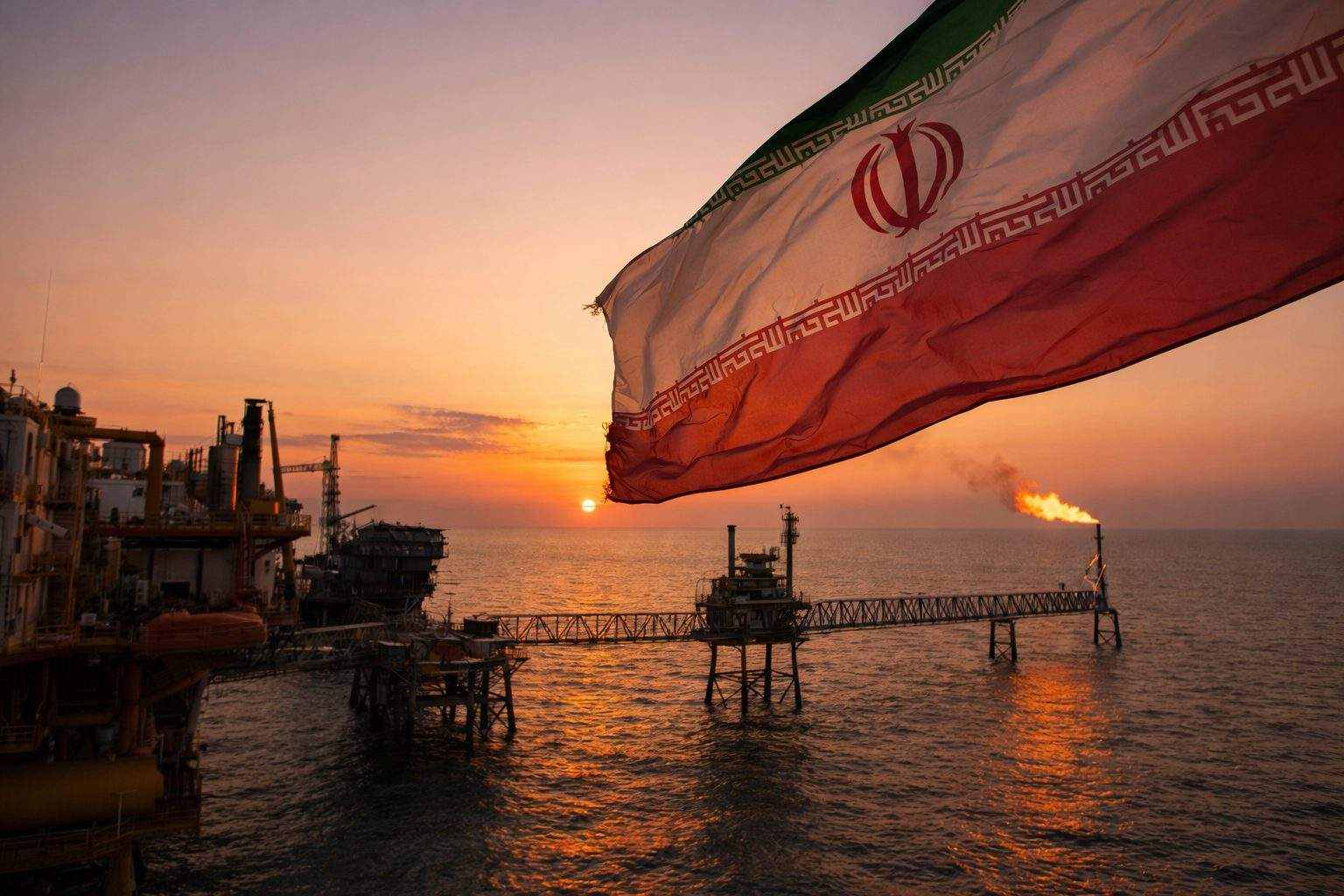
Treasury Secretary Scott Bessent said the Trump administration is considering a short-term lift on sanctions tied to roughly 140 million barrels of Iranian crude stalled on tankers, as efforts continue to calm markets after Iran’s closure of the Strait of Hormuz. According to Energy Secretary Chris Wright, if the decision goes through, the barrels might begin arriving at Asian ports as soon as three to four days from now.
The strait between Iran and Oman typically handles around 20% of the world’s oil and LNG shipments, so the latest disruption is making waves. Brent crude surged past $119 a barrel Thursday after Iran’s retaliation for an Israeli strike sidelined 17% of Qatar’s LNG output. By 1220 GMT Friday, Brent was still trading at $107.07.
Bessent figures the stuck crude might keep prices soft for up to two weeks. Wright expects most of that oil to get processed and hit the market between 30 and 45 days out. Bessent also floated the idea that Washington could tap the Strategic Petroleum Reserve again—this after last week’s G7-coordinated release from the U.S. emergency stockpile.
A temporary waiver is on the table—narrow approval to unload oil already on tankers, echoing what the U.S. did this month with Russian barrels stuck offshore. According to a source with knowledge of Treasury thinking, such a move might push shipments meant for China into wider circulation, undercutting Tehran’s hold on Hormuz.
Allies are scrambling to stabilize shipping and supply routes. Britain, France, Germany, Italy, the Netherlands, and Japan have signaled willingness to back moves to secure safe transit through Hormuz. A proposal at the International Maritime Organization would set up a protected corridor, aimed at freeing roughly 20,000 seafarers currently trapped in the Gulf.
Saudi Arabia has been shifting more crude through its East-West pipeline to the Red Sea, with flows hitting 5.9 million barrels a day—potentially rising to 7 million, the International Energy Agency says, according to Reuters graphics. The UAE’s Habshan-Fujairah route, meanwhile, is handling around 1.8 million barrels daily.
Still, simply adding more barrels won’t undo supply chain disruptions. “The potential for a quick reversal in energy prices is unlikely because damage has been done to production,” said Ole Hansen at Saxo Bank. UBS’s Giovanni Staunovo added that as long as traffic through Hormuz is limited, crude prices could still move higher. Reuters
Sanctions experts were skeptical, too. “Bananas,” said David Tannenbaum at Blackstone Compliance Services, who flagged the risk that Tehran might actually end up with extra cash. The Guardian
Supply conditions aren’t letting up. Fatih Birol, head of the International Energy Agency, flagged that restoring Gulf oil and gas flows might stretch out for as long as six months. Goldman Sachs, for its part, sees oil price risks leaning to the upside not only in the short run but also through 2027—even if recovery begins as soon as April.
The waiver, for the moment, offers only brief relief. Analysts don’t see a major turnaround in prices as long as Hormuz remains bottlenecked, with Gulf shippers stuck using constrained bypass pipelines.
Related articles: Stock Market