
HOUSTON, March 31, 2026, 14:02 (CDT)
- June Brent, the more actively traded contract, dropped over $3 following unverified reports that Iran was prepared to halt the war. The May Brent contract, which is expiring, continued to signal a record monthly surge.
- OPEC crude production tumbled by 7.3 million barrels per day in March, hitting 21.57 million bpd—the lowest figure seen since June 2020, according to a Reuters survey.
- Supply worries lingered after a strike hit Kuwait Petroleum’s Al Salmi tanker near Dubai, while diesel and jet fuel markets tightened.
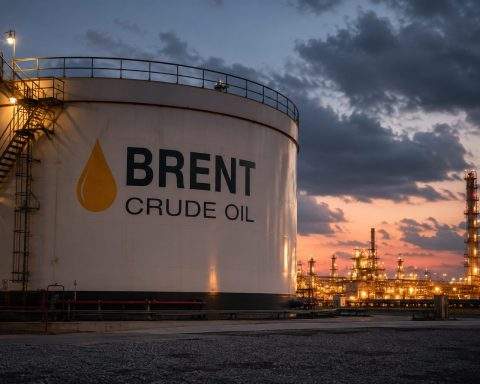
Oil prices whipsawed Tuesday after unverified chatter about Iran signaling willingness to end the conflict sent the June Brent contract tumbling over $3. The June Brent last changed hands at $103.69 a barrel, down $3.70. U.S. crude slid $2.17 to $100.71. The expiring May Brent, though, held its rally, still up $5.52 at $118.30—a record monthly gain.
This shift has real weight right now. Traders are juggling two conflicting signals: on one hand, there’s talk about a possible diplomatic exit, but on the other, supply is already squeezed with shipments through the Strait of Hormuz — a corridor that handles roughly 20% of global oil and gas — noticeably disrupted. That war premium? Still baked into prices, with plenty of risk left in the market.
OPEC crude production dropped by 7.3 million barrels per day in March, down to 21.57 million bpd—levels not seen since June 2020, according to a Reuters survey. The sharpest declines came from Kuwait, Iraq, Saudi Arabia and the United Arab Emirates. In Europe, tighter diesel and jet fuel supplies are looming, but for now, EU officials maintain the bloc’s oil and gas stocks are secure in the short term.
This month’s surge has been sharp. Brent for May delivery, now nearing expiry, has soared 64% in March; WTI is up roughly 50%. With the May contract set to expire and volumes light, Tuesday’s action saw exaggerated swings as traders rolled positions into June.
Tensions ratcheted higher after Kuwait Petroleum reported its fully loaded Al Salmi tanker was hit while anchored in Dubai port, sparking a fire and damaging the ship. Dubai officials said all 24 crew members were unharmed. The vessel had 2 million barrels of crude, headed for Qingdao, Lloyd’s and TankerTrackers figures cited by Reuters showed.
“Globally, there are fewer barrels available, so the people who need them are bidding prices up,” Neil Atkinson, former head of the International Energy Agency’s oil markets division, said. With Asian buyers snapping up more cargoes from both Europe and West Africa, the supply squeeze sent North Sea Forties crude surging to a record $7.20 premium over dated Brent—the region’s physical benchmark. U.S. WTI Midland, meanwhile, notched a $9.50 premium for deliveries into Europe, also a record. Reuters
Other benchmarks aren’t immune. Dubai crude jumped to a record $169.75 on March 23. Morgan Stanley analysts point out that cargoes moving to Asia are being drawn from the very supplies Europe relies on to steady its own market.
John Kilduff of Again Capital called it a “trap door” moment for the market after those Iran headlines—talk of hostilities ending sparked hopes of Hormuz reopening, which could unleash supply. Still, infrastructure’s battered and shipping remains a mess. Lin Ye at Rystad Energy warned that if closures drag on, the risk grows: physical shortages could start to bite over a broader swath of the market. Reuters
So the window’s tight. Should the diplomatic green light turn out real and shipping picks back up, a lot of that war-driven price surge may evaporate fast. But if the strait remains blocked, Saxo Bank’s Ole Hansen says prices might shoot into what he calls “demand destruction territory”—levels where fuel gets so expensive that people start pulling back. Reuters
Reuters’ March poll shows analysts hiking their 2026 Brent outlook to $82.85 a barrel, up sharply from February’s $63.85. WTI projections jump too, now at $76.78 versus $60.38—a record one-month leap for the survey. Intraday price action is still tethered to diplomatic headlines, but supply disruptions are already redrawing trade routes and forcing analysts to rethink their price decks.
Related articles: Energy Markets