
NEW YORK, April 9, 2026, 14:03 (EDT)
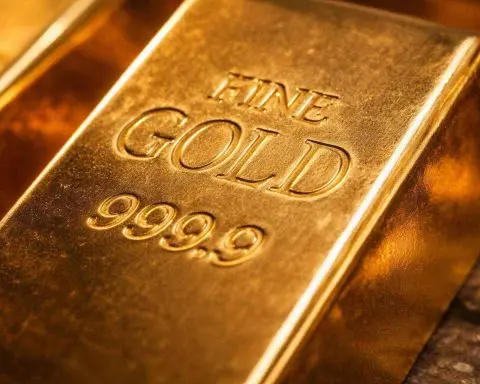
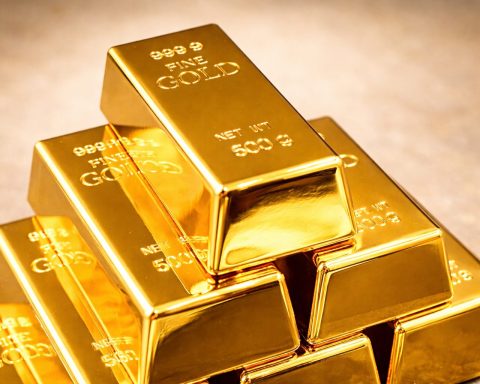
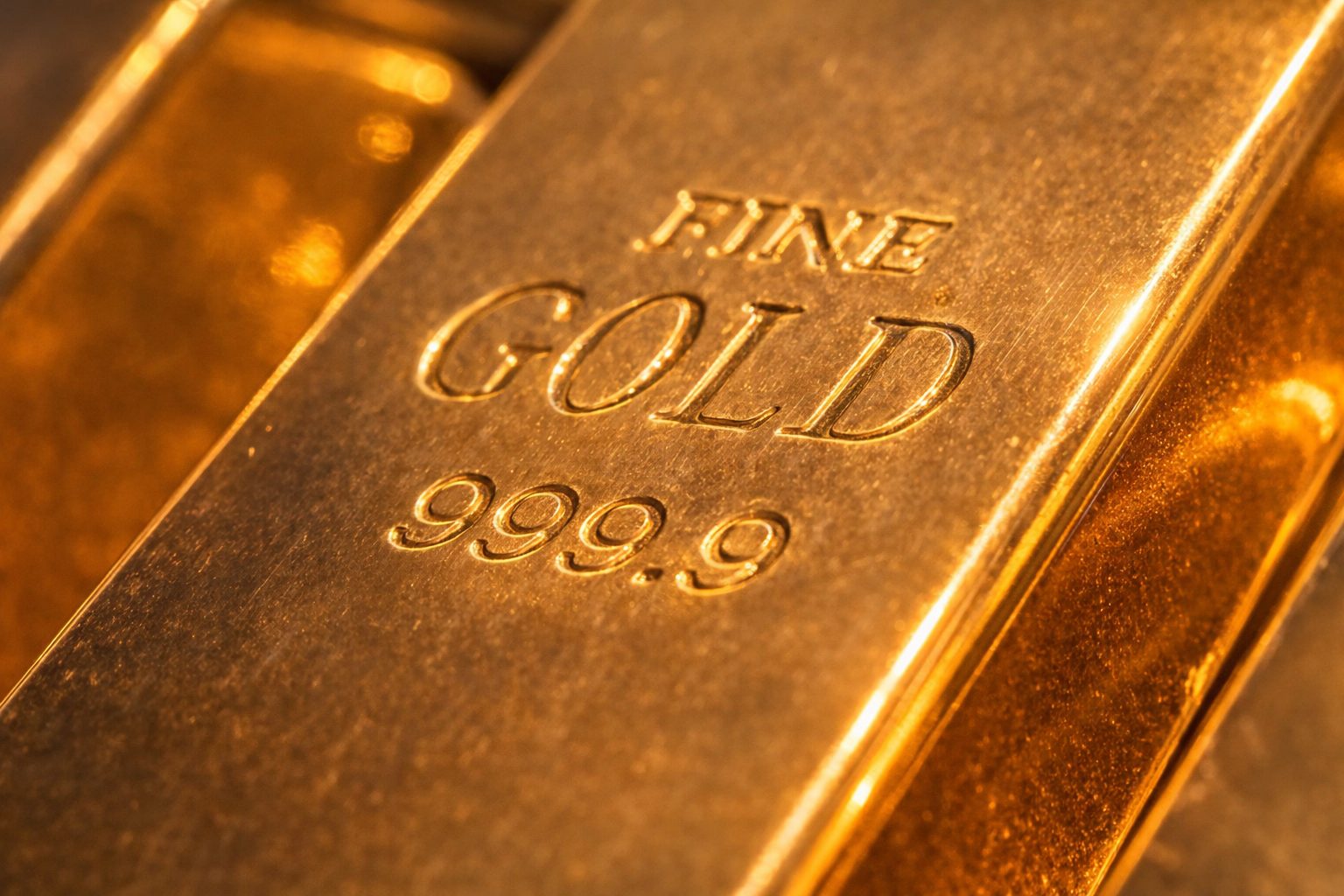
Gold pushed higher Thursday, climbing over 1% as the dollar lost ground and Treasury yields slipped. By 1:30 p.m. ET, spot gold had advanced 1.6% to $4,789.67 an ounce. U.S. gold futures wrapped up the day up 0.9% at $4,818.00. All this as traders kept a wary eye on the shaky ceasefire between Washington and Tehran.
This shift is notable, with bullion struggling to bounce back after a rough March. According to China’s central bank, spot gold plunged 11.52% last month—the sharpest monthly drop since 2008. The World Gold Council also flagged March as gold’s worst showing since June 2013.
Friday brings the next data point: the Bureau of Labor Statistics is set to publish March’s Consumer Price Index—CPI—at 8:30 a.m. ET, a number traders watch closely for retail inflation cues. Oil prices remain elevated above pre-war marks, and the Strait of Hormuz blockade hasn’t lifted. So, investors are left wondering if persistent price pressure will keep the Federal Reserve on edge.
Bob Haberkorn at RJO Futures points to a “weaker dollar” as the factor giving gold a lift, though he notes, “prices had pulled back from recent highs as cracks show.” On Thursday, the dollar index slipped about 0.37%, and the 10-year Treasury yield dropped to roughly 4.27%. Both moves tend to make bullion more attractive—cheaper for buyers outside the U.S., and less costly to hold. Reuters
The market finally caught a lift on Wednesday. Gold jumped to a near three-week peak after Washington and Tehran signed on to a two-week ceasefire, with Pakistan stepping in as mediator. Marex analyst Edward Meir weighed in, saying the truce “could help roll back some inflationary pressures,” though he cautioned, “we’re still not out of the woods.” Reuters
Inflation’s grip remains tight. The Fed’s favored measure, the Personal Consumption Expenditures price index, climbed 2.8% year over year in February and notched a 0.4% monthly gain. Strip out food and energy, core PCE landed at a 3.0% annual increase, according to Bureau of Economic Analysis data. Reuters noted those numbers could keep the Fed from moving on rate cuts anytime soon.
The Fed’s March 17-18 meeting minutes, out Wednesday, showed officials held the policy rate steady at 3.50%-3.75%. They signaled next steps will hinge on economic data and forecasts. According to Reuters, more policymakers are now leaning toward rate hikes if inflation proves persistent—a point that underscores the pressure on gold, which pays no interest and typically suffers when rates remain elevated.
But this isn’t a simple, directional trade. Should the ceasefire stick, oil prices may slide further and investors’ risk appetite could eat into gold’s safe-haven bid. On the flip side, a breakdown in the truce or a hot CPI print on Friday might push traders deeper into higher-for-longer Fed wagers. “The entire ceasefire remains tenuous,” MUFG’s Derek Halpenny noted, with the Strait of Hormuz still closed. Reuters
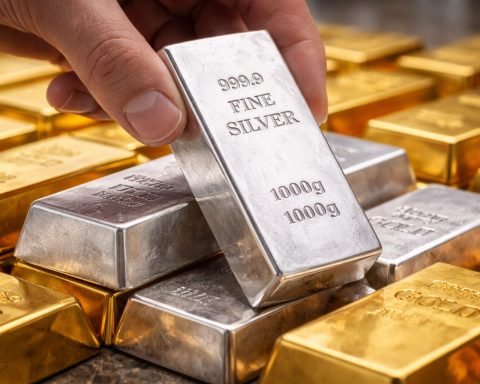
Silver and platinum outperformed gold’s gains, with spot silver jumping 2.9% to $76.24 an ounce and platinum up 3.8% at $2,106.01. Palladium inched 0.3% higher to $1,558.75. Precious metals broadly caught a bid.
Support isn’t just coming from investors. China’s central bank kept buying gold for a 17th month in March, while a Reuters survey found almost 40% of reserve managers looking at boosting holdings—evidence that official demand is sticking around. Now, Friday’s CPI looms as the next test for whether that base holds or sets up another move higher.
Related articles: Gold Price