UPDATE April 15, 2026, 22:30 (CET) – U.S. inflation is picking up steam well past March’s 3.3% CPI jump, driven by higher oil prices linked to the Iran conflict, analysts note. Those cost increases are making their way into imports and rippling through broader price indexes. Import prices climbed again last month, and with April shaping up much the same, there’s talk the Fed could pause on rate cuts—or even lean toward tightening—if these price gains keep sticking around. Traders have already walked back expectations for Fed easing as energy costs work their way into everything from transportation to housing and everyday consumer items.
Washington, April 15, 2026, 05:09 (EDT)
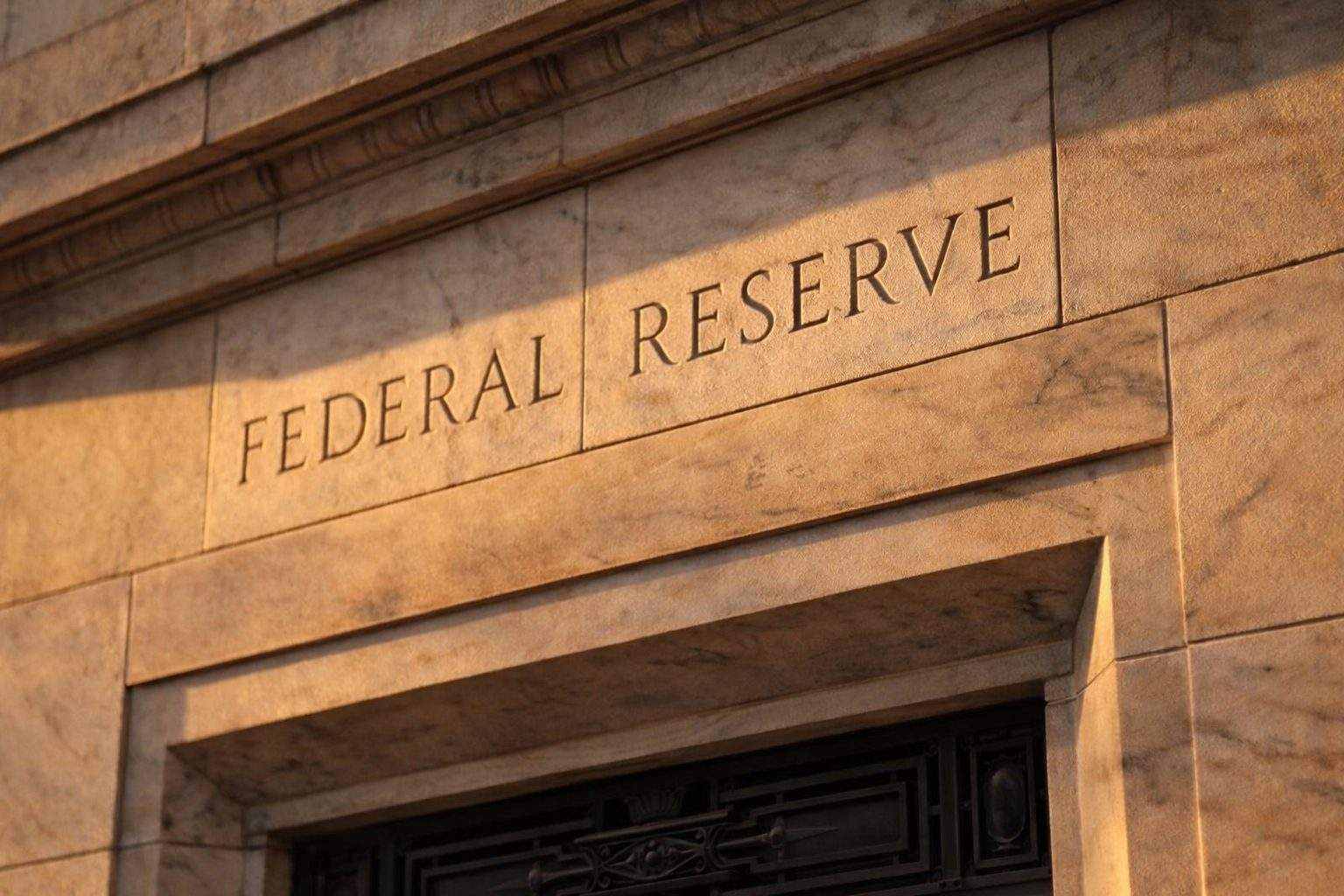
The Federal Reserve remains tangled up with the inflation pop from March, even after wholesale prices eased and oil lost ground for two straight sessions. That uptick in consumer prices last week, according to officials and economists, is muddying the waters for potential rate cuts.
Packed schedule ahead: The Fed’s policy meeting is set for April 28-29, then the Personal Consumption Expenditures index drops right after — that’s the inflation gauge the central bank watches most closely. Chicago Fed President Austan Goolsbee isn’t mincing words; he says if oil prices keep climbing and inflation won’t budge below 2%, rate cuts could be off the table until 2027.
The Consumer Price Index rose 0.9% in March from February, the Labor Department said, putting the annual gain at 3.3%. Gasoline prices shot up 21.2%—the sharpest monthly increase since 1967 when tracking began. Energy overall climbed 10.9%. Notably, gasoline alone accounted for nearly three-quarters of the CPI’s monthly rise.
Some parts of the CPI report looked softer. Core CPI, stripping out food and energy, posted a 0.2% rise for the month, 2.6% from a year earlier. Shelter nudged 0.3% higher. Airline tickets jumped 2.7%, apparel gained 1.0%. At the grocery store, prices slipped 0.2%. Used cars dipped 0.4%.
Christopher Rupkey at FWDBONDS called it bluntly: a “direct inflation hit.” Sung Won Sohn from Loyola Marymount compared fuel’s price moves to “rockets and feathers”—spiking in a flash, then dragging on the way down. For some economists, that’s reason enough to think March’s spike won’t be the last. Reuters
Producer prices rose 0.5% in March, landing below the 1.1% economists were looking for. Stephen Brown from Capital Economics pointed out that some pressures tied to tariffs appear to be “starting to ease.” Still, most forecasters are betting that the Fed’s preferred inflation gauge, core PCE, accelerated to about 3.2% from a year earlier—a level not seen in two years. Official data is due April 30. Reuters
Policy talks aren’t getting any easier. Former Treasury Secretary Janet Yellen’s sticking to the view that there’s space for one rate cut this year, despite dubbing the war’s fallout a “broad supply shock.” But Goolsbee’s not ruling out a move in the opposite direction—he’s warning “rates could go up” if the outlook shifts. Reuters
Pressure has backed off a bit at the margins. Brent crude slipped for a second day Wednesday, closing around $94.63 a barrel. U.S. crude stuck close to $90.58. There’s chatter about potential U.S.-Iran talks returning, but shipping issues in the Strait of Hormuz haven’t cleared, and Washington’s squeeze on Iranian oil remains in force.
The market’s caught on that uncertainty. If diplomacy holds and transit gets smoother, this burst in fuel prices may peter out before hitting wallets too hard. But a breakdown? Economists caution higher costs for jet fuel, diesel, fertilizers, and plastics could start seeping into airfares, shipping bills, and everyday goods soon.
It’s not just the Fed wrestling with tough calls. The IMF trimmed its 2026 global growth forecast to 3.1%, cautioning that number holds only if conflicts don’t escalate—and warning things could sour quickly with unstable energy. As for Europe, ECB President Christine Lagarde isn’t ready to say whether the euro zone will need to tighten policy in response to higher fuel costs.
March CPI numbers have altered the landscape for the next few weeks. Attention now swings to the Fed’s meeting slated for the month’s end, with investors also watching the April 30 PCE and May 12 CPI for fresh signals—questions swirling over whether inflation stays confined to gas or starts creeping elsewhere.