
LONDON, April 21, 2026, 11:43 BST
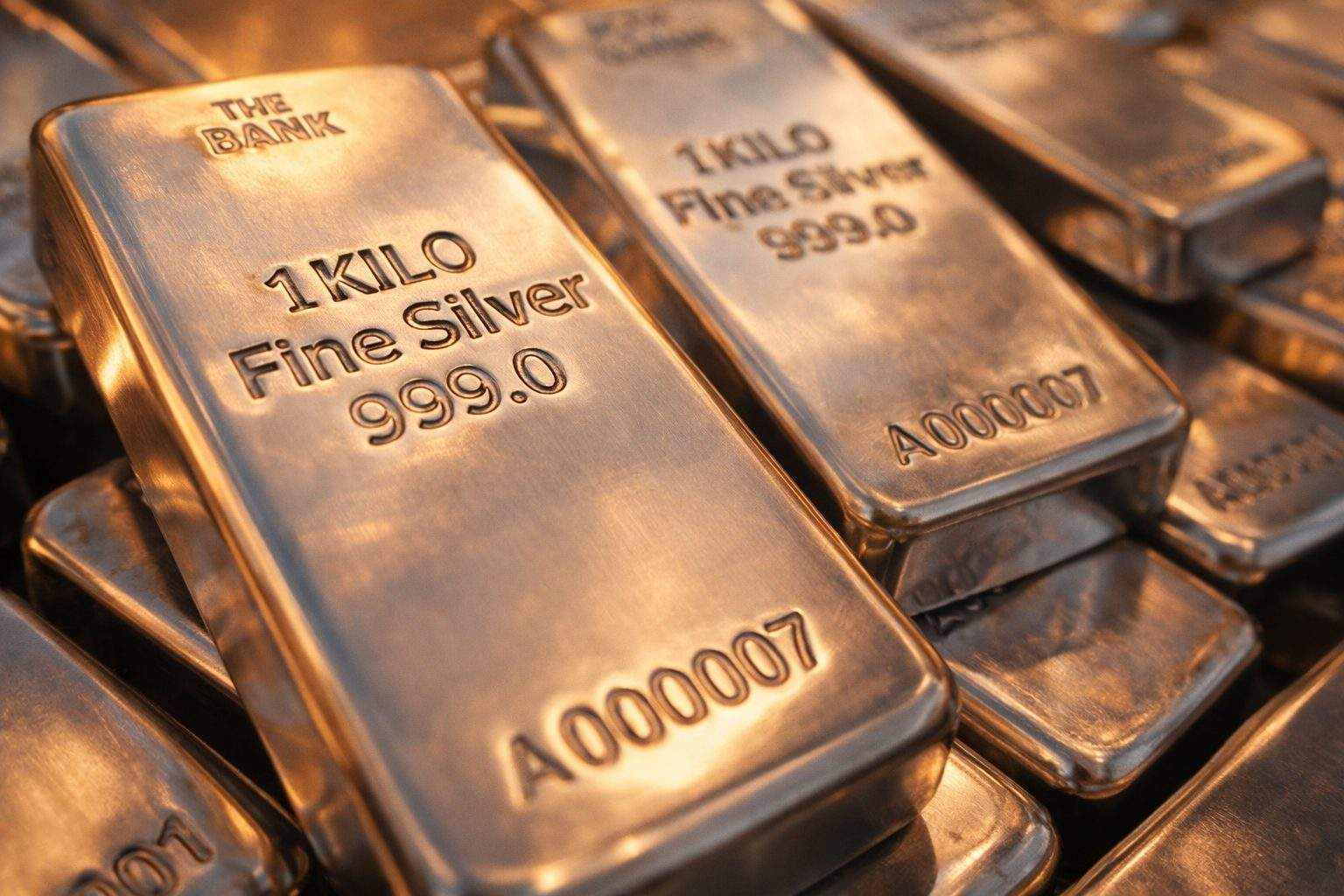
Spot silver fell below $79 an ounce on Tuesday, extending a pullback across precious metals as a firmer dollar and higher yields dulled demand for assets that pay no income. Kitco’s New York spot table showed silver at $78.87 bid and $79.12 ask, down 0.93%, with gold, platinum and palladium also lower.
The move matters because silver is not coming off a quiet base. Trading Economics data showed the metal still up about 14% over the past month and more than 140% from a year earlier, leaving the market vulnerable to profit-taking when macro signals turn against it.
The pressure is coming through the same channel that hit gold: the dollar, Treasury yields and oil. Reuters reported on Monday that spot silver lost 1.3% to $79.76 as renewed U.S.-Iran tensions pushed the dollar toward a one-week high and lifted benchmark Treasury yields, raising the opportunity cost of owning bullion. Fawad Razaqzada, market analyst at City Index and FOREX.com, said the Middle East situation had “intensified again,” a shift that could support the dollar and yields; silver, like gold, pays no interest, so higher yields can make cash and bonds look more attractive. Reuters
Oil is the hinge. Brent crude fell to $94.79 a barrel on Tuesday after Monday’s jump, as traders weighed whether U.S.-Iran talks could extend a ceasefire and restore more flows from the Middle East. Tamas Varga, an analyst at PVM Oil Associates, said the market appeared inclined to believe “at least an extension will be reached,” though Reuters reported that shipping through the Strait of Hormuz remained limited. Reuters
That leaves silver in an awkward spot. It can draw haven demand when war risk rises, but higher oil can also feed inflation worries, lift yields and hurt industrial demand. The International Energy Agency’s Fatih Birol called the Iran-related disruption the “biggest crisis in history,” noting that the Strait of Hormuz carries about a fifth of global oil and liquefied natural gas flows. Reuters
StoneX’s Rhona O’Connell wrote that gold and silver had been “in thrall” to developments around Hormuz, with silver generally following gold but swinging harder. She said the markets would remain “cautious and volatile,” while professional trading houses were reluctant to build large positions in febrile geopolitical conditions. StoneX
There is a real-economy angle too. Germany’s ZEW investor morale index fell to minus 17.2 in April, its lowest since December 2022, as businesses started to feel the wider economic consequences of the Iran war. ZEW president Achim Wambach said firms were worried about long-term energy shortages, a risk that matters for silver because the metal is used in electronics, autos, solar panels and other industrial supply chains.
The longer-term backdrop remains tight. The Silver Institute and Metals Focus said last week that the silver market was heading for a sixth year of structural deficit, with the 2026 shortfall expected to widen to 46.3 million ounces from 40.3 million in 2025. Philip Newman, managing director at Metals Focus, said the “risks of another liquidity squeeze this year remain.” Reuters
But the trade is not one-way. A credible ceasefire extension, lower crude prices and calmer shipping conditions could strip out some haven demand and leave silver exposed to further liquidation after its sharp run. AP reported that oil slipped and world shares mostly gained on Tuesday, even as U.S.-Iran talks remained in doubt and the ceasefire deadline loomed.
For now, silver is trading less like a simple inflation hedge and more like a barometer for several markets at once: the dollar, U.S. yields, oil, gold and industrial demand. That makes the next move less about one price level and more about whether the Middle East tape, and the bond market, stop pushing in the same direction.
Related articles: Silver Price