
Chicago, April 22, 2026, 09:11 CDT
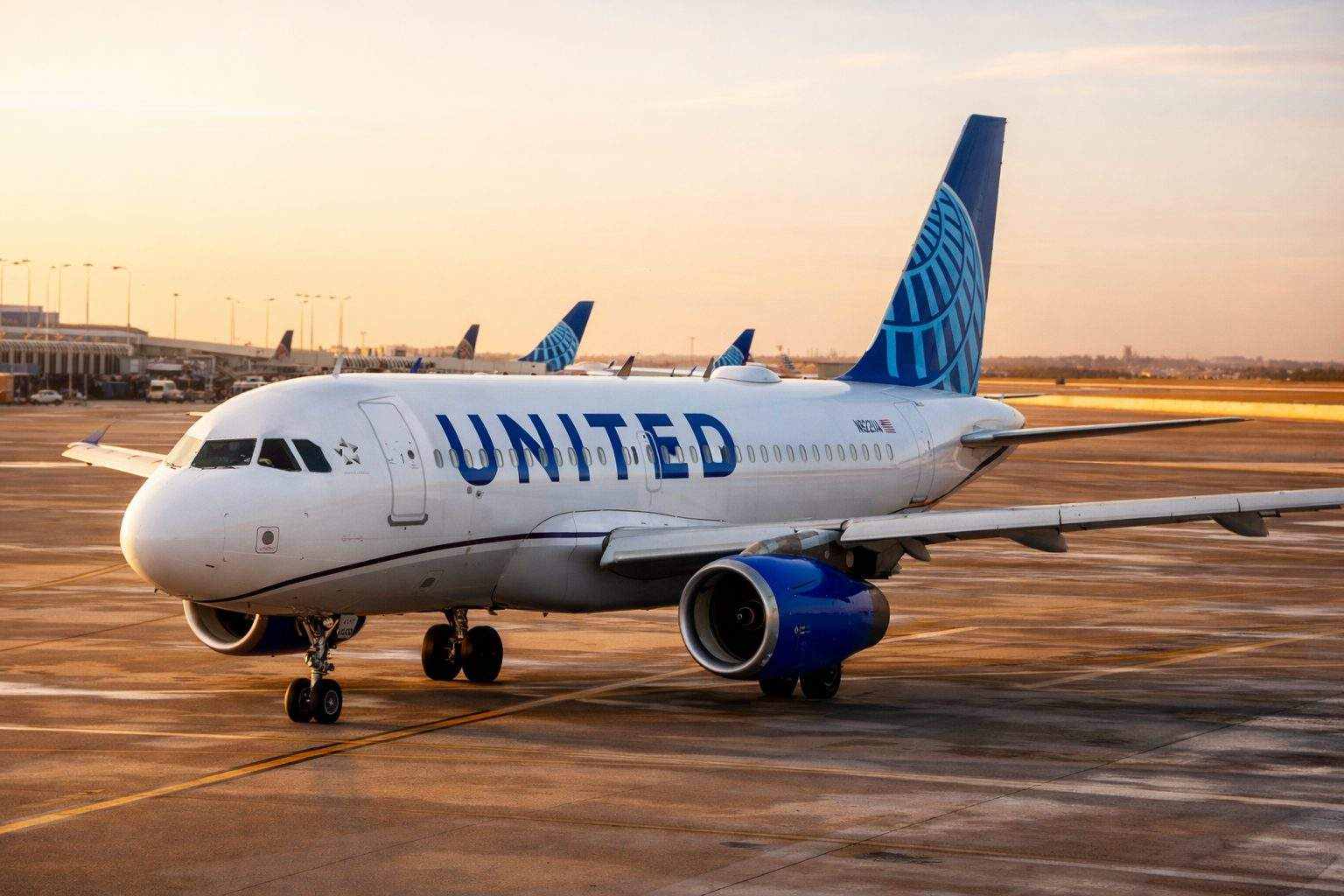
Pressed on Wednesday about any interest in acquiring American Airlines, United Airlines CEO Scott Kirby deflected, sticking to his vision of building “a truly global airline that all US citizens can be proud of.” His comment did nothing to douse speculation over a potential merger, one day after President Donald Trump publicly criticized the notion of United joining forces with American. Bloomberg Tax
Timing is key here, with the Iran-linked jet-fuel spike putting real pressure on margins and reviving doubts over which airlines can sustain their own growth. United trimmed its 2026 outlook on Tuesday; Delta has already scaled back expansion plans. Alaska Air dropped its full-year guidance altogether. Even if a ceasefire sticks, it could take “a few months” for jet-fuel supply and logistics to stabilize, according to Atmosphere Research Group’s Henry Harteveldt. Reuters
United delivered a first-quarter beat, turning in $14.6 billion in revenue and adjusted earnings of $1.19 per share. Premium, corporate, and loyalty revenue climbed 14%, 14%, and 13%, respectively. However, the airline now projects second-quarter adjusted earnings between $1 and $2 a share, with its full-year outlook at $7 to $11. United has trimmed its 2026 flying plan by five points already. “Moments of uncertainty,” CEO Kirby noted in the release, “can create opportunity for United.” United Airlines Holdings, Inc.
Last week, Reuters said Kirby pitched a possible United-American merger to Trump in late February, claiming the joined airline could take on international competition more effectively. On Wednesday, Bloomberg Tax noted Kirby sidestepped questions about whether a major deal was in the works, though he did point to rising costs and weaker competitors as possible triggers for deals.
Washington hasn’t backed a deal on that scale. Trump, speaking to CNBC, said he’d “love somebody to buy” Spirit Airlines—the struggling budget airline now in bankruptcy—and floated potential federal assistance to protect 14,000 jobs. As for United and American, he didn’t mince words: “I don’t like having them merge.” Transportation Secretary Sean Duffy described Kirby’s proposal as “interesting,” but noted the United CEO still needs to make the case for how it would benefit consumers. Reuters
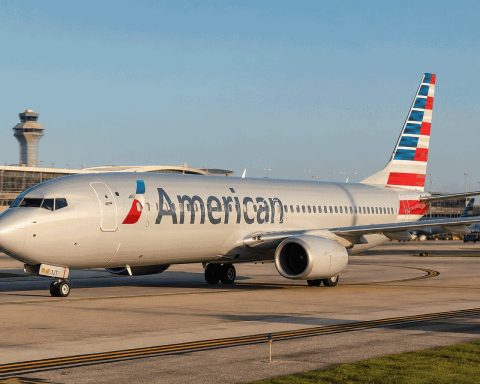
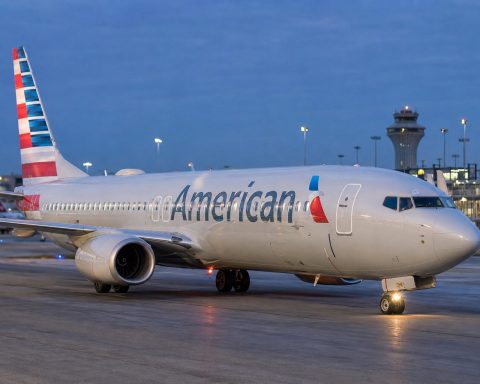
American isn’t budging. On Friday, the airline flat-out dismissed any interest in negotiations with United and argued a merger would be “negative for competition and for consumers.” The numbers do the talking: together, the two could command roughly 40% of U.S. domestic flying capacity. Reuters points to significant overlap in places like Chicago O’Hare, plus big Texas hubs. Reuters
Competition is fierce, but history doesn’t offer much comfort. Delta and Alaska have each pulled back as higher fuel prices squeeze margins, and JetBlue ditched its $3.8 billion Spirit takeover this year after a judge shot the deal down over antitrust concerns. United and American could end up with more sway over fares if they joined forces, antitrust attorney Seth Bloom told Reuters.
But for Kirby, the more significant worry could be that the chance just never materializes. Reuters noted there’s no formal process in sight, American isn’t on board, and Duffy points out United still needs to win over consumers. Should fuel prices drop, urgency for a deal this size might fade; if they spike, Washington’s tone hints it could prefer helping Spirit—either through a sale or a bailout—rather than green-lighting what would be the largest U.S. airline tie-up in more than ten years.
United shares slipped close to 3.4% early, with investors reacting to a softer outlook from the airline. American managed a 0.3% gain in the same stretch, as traders sized up the low probability of a merger happening anytime soon.
Related articles: NASDAQ:UAL