
NEW YORK, April 23, 2026, 04:40 EDT
Stock futures in the U.S. slipped early Thursday, pulling back from the S&P 500 and Nasdaq’s all-time highs. Brent crude remained perched above $103 a barrel, and traders kept an eye on whether the next wave of earnings could offset fresh turbulence out of the Gulf. Wall Street futures tracked lower overnight during Asian hours, with ongoing shipping worries in the Strait of Hormuz keeping investors on edge.
This shift comes as the rally leans on both strong Q1 numbers and bets that the Iran shock won’t last. LSEG data, as cited by Reuters, pegs first-quarter earnings growth near 14%. But a Reuters survey of 103 economists signals the Fed is unlikely to cut rates before late 2026, with inflation pressures from the conflict hanging over the outlook.
“Markets look very on edge here,” said Charu Chanana, chief investment strategist at Saxo. Oil’s latest spike, she noted, highlights just how jittery investors are about geopolitical tail risks. Laura Cooper at Nuveen called markets “remarkably effective at looking through risks,” though she pointed out that the number of unresolved threats keeps piling up. Reuters
Wednesday’s rally turned heads. The S&P 500 climbed 1.05% to finish at 7,137.90, a fresh record, with the Nasdaq closing strong as well—up 1.64% at 24,657.57, also a new high. The Dow tacked on 0.69%. Micron set another record, and the Philadelphia chip index notched its 16th consecutive gain, its longest streak ever.
GE Vernova surged 13.75%, standing out after the company raised its 2026 revenue and margin targets. Demand for gas turbines and grid equipment—much of it linked to data-center buildouts—drove the outlook higher. Chief Executive Scott Strazik put the expected backlog and slot reservations at a minimum of 110 gigawatts by year-end. Boeing also landed in the winner’s circle.
Boeing jumped 5.53%—a move coming after the company turned in a quarterly loss that landed well ahead of analyst forecasts. Chief Executive Kelly Ortberg called it “a good start” and told Reuters there’s been no indication so far that airline clients are pushing back deliveries because of the conflict in the Middle East. Reuters
Tesla landed in the spotlight ahead of Thursday’s session. Shares dropped 2.4% after hours, following Elon Musk’s announcement that 2026 capital expenditures will top $25 billion—up from the $20 billion forecast back in January. Musk called the added outlay “well justified,” but the company also flagged that free cash flow will dip into the red for the rest of this year. Reuters
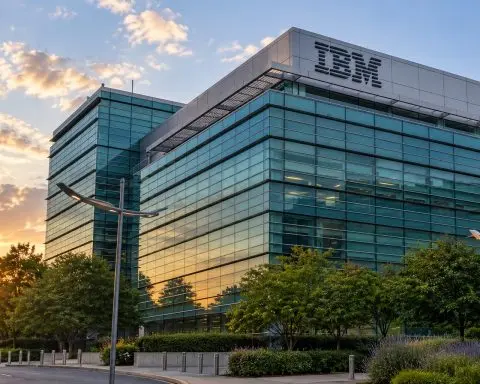
IBM slipped 6.5% after hours, weighed down by sluggish software growth that reignited concerns about AI tools encroaching on its business. That drop came despite revenue and profit topping expectations. CFRA’s Brooks Idlet weighed in: “we do not think Q1’s results validated those fears.” Reuters
Oil stands out as the key risk. Brent moved up 1.2% to $103.17, with U.S. crude tacking on 1.3% to $94.16. Iran’s seizure of two ships in the Strait of Hormuz—a corridor that once carried around 20% of the world’s daily oil before the war—sent ripples through the market. According to ING, traders are recalibrating as hopes for a quick resolution fade.
That strain is showing up in company forecasts. United Airlines flagged that rising jet-fuel costs will hit both second-quarter and full-year earnings, estimating it can offset just 40% to 50% of the increase this quarter through fares and other steps. Delta has already scaled back planned expansion, while Alaska Air scrapped its full-year outlook.
Stephen Massocca, senior vice president at Wedbush Securities, pointed out the market remains eager for a “beneficial outcome” in the Gulf. Still, he cautioned that if the war stretches out, earnings momentum could fizzle. So Wall Street heads into Thursday’s premarket with record highs already posted—and another oil surge looming. Reuters
Related articles: NYSE:IBM