
HONOLULU, April 25, 2026, 11:05 HST
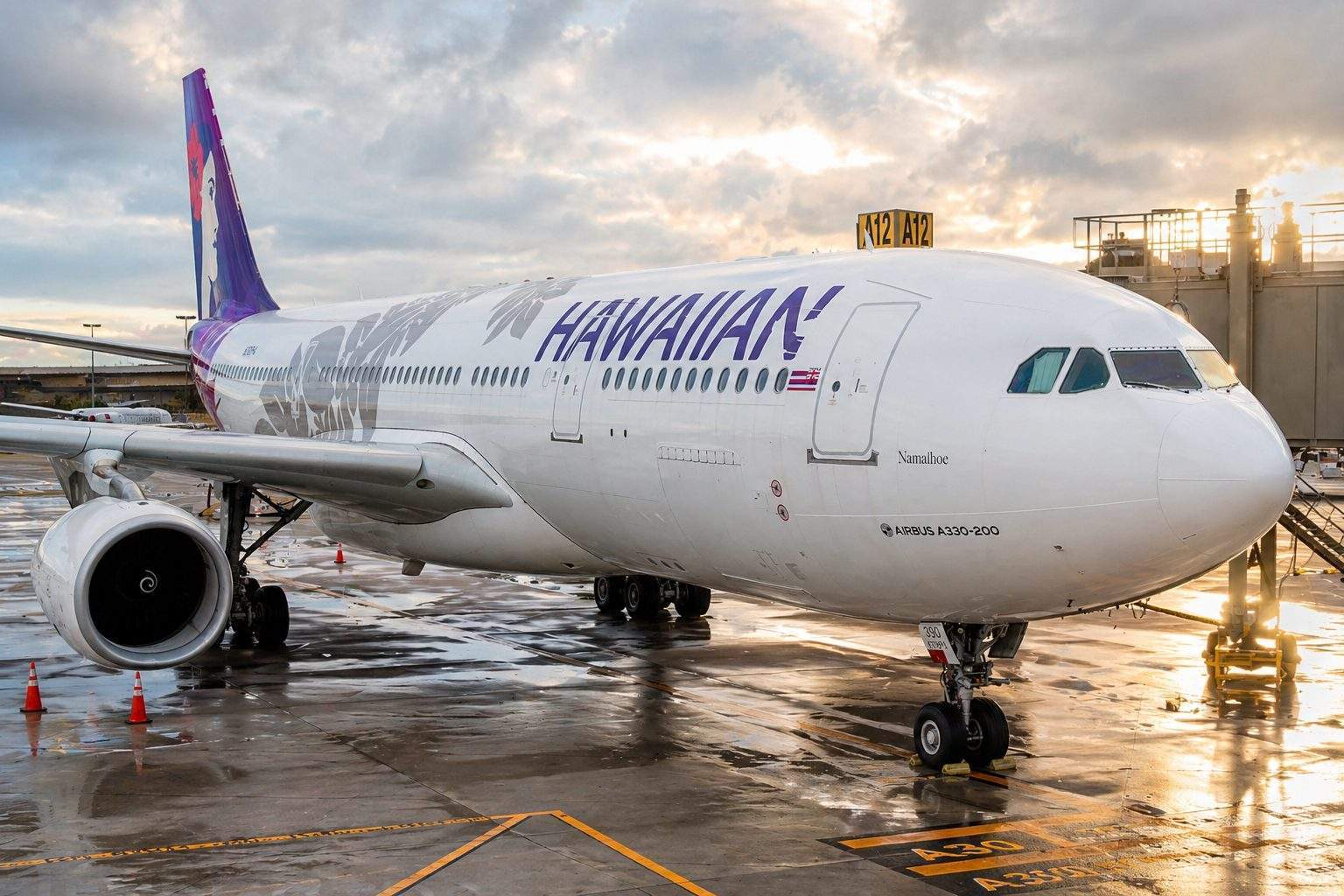
This week, Hawaiian Airlines entered the oneworld alliance and deepened its integration with Alaska Airlines’ operating systems—steps that bring Alaska Air Group’s planned acquisition of Hawaiian into sharper focus for customers. Travelers are already seeing changes, from loyalty perks to flight codes and booking details.
Timing is critical here—not simply because of the merger. Now, Hawaiian passengers using Atmos Rewards, the joint Alaska-Hawaiian loyalty program, get access to earn and spend points, plus elite perks, with all 14 other oneworld carriers. The door swings both ways: oneworld members can take advantage of their benefits on Hawaiian flights.
The real shakeup is behind the scenes. Hawaiian has migrated to Sabre, the same reservation and check-in system Alaska uses—a switch that ties together everything from online bookings and mobile apps to loyalty profiles and airport kiosks.
Diana Birkett Rakow, CEO of Hawaiian, said the partnership opens up routes “from Honolulu to Hong Kong” for both Hawai‘i residents and Atmos members. For Ole Orvér, who heads oneworld, Hawaiian joining up means a bigger reach across the Pacific and in the U.S. Alaska Airlines
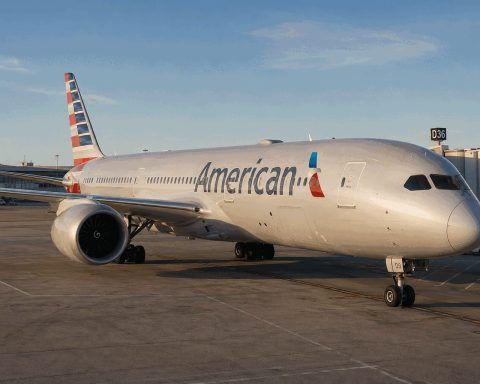
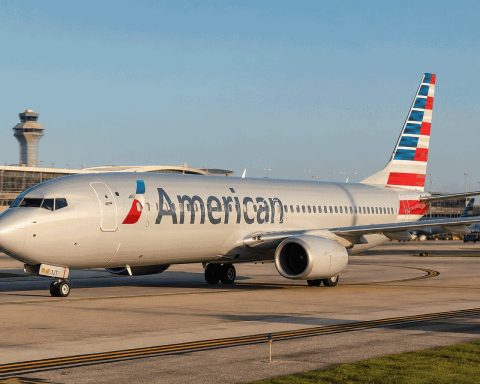
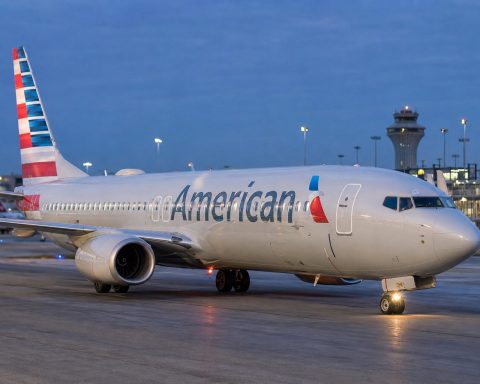
oneworld picks up its third U.S. member with this deal—Hawaiian joins Alaska Airlines and American Airlines in the alliance, bringing Honolulu in as a global hub. That unlocks new routes to Hilo, Rarotonga, Pago Pago and Papeete for the group’s Pacific network.
The updates hitting customers are straightforward: every Hawaiian flight now operates under Alaska’s “AS” code. Still, Alaska insists Hawaiian’s logo, airport signs, and onboard experience aren’t going anywhere. Japan Airlines, which partners with oneworld, confirmed Hawaiian’s flight numbers switched over on April 21. JAL企業サイト
Travelers flying Alaska can now handle everything through a unified Alaska Hawaiian app, all trips consolidated under a single record locator. Shared airport lobbies are up and running at several mainland locations—Los Angeles, Seattle, New York-JFK, San Francisco, and San Jose. Hawaiian, for its part, has shifted to web and mobile check-in only, with self-serve bag-tag kiosks stationed in the lobbies.
Alex Da Silva, a spokesperson for the airline, described the passenger system switchover as the “biggest and most complex integration project” involved in the merger, telling Aloha State Daily there were no material problems after the changeover. Volunteers, he said, were on hand at Honolulu airport to help guests. Aloha State Daily
American Airlines and Alaska are exploring ways to expand their partnership, Reuters reported this week, with early discussions focused on building out international joint ventures—transpacific routes potentially on the table, possibly with Japan Airlines in the mix. There’s no merger being considered, according to the report.
Still, closer ties between Alaska and American aren’t a given. Reuters noted that any ramped-up partnership would require sign-off from the U.S. Transportation Department, plus a potential look from antitrust officials—especially after a federal judge tossed out American’s Northeast Alliance with JetBlue in 2023.
Alaska wrapped up its takeover of Hawaiian in September 2024, announcing plans to maintain both brands separately for now, even as it pushes to unify operations under one certificate and passenger system. Shares of the merged carrier continue to trade as Alaska Air Group’s ALK on the New York Stock Exchange.
U.S. regulators put strings on the deal, requiring protections for rewards value, essential Hawaii routes, rural flights, access at Honolulu’s airport, family seating, and compensation if controllable disruptions hit. These requirements are still in play as the integration shifts out of the boardroom and into real airport operations.
Related articles: NASDAQ:AAL