
May 8, 2026, 18:35 in Sydney (AEST)
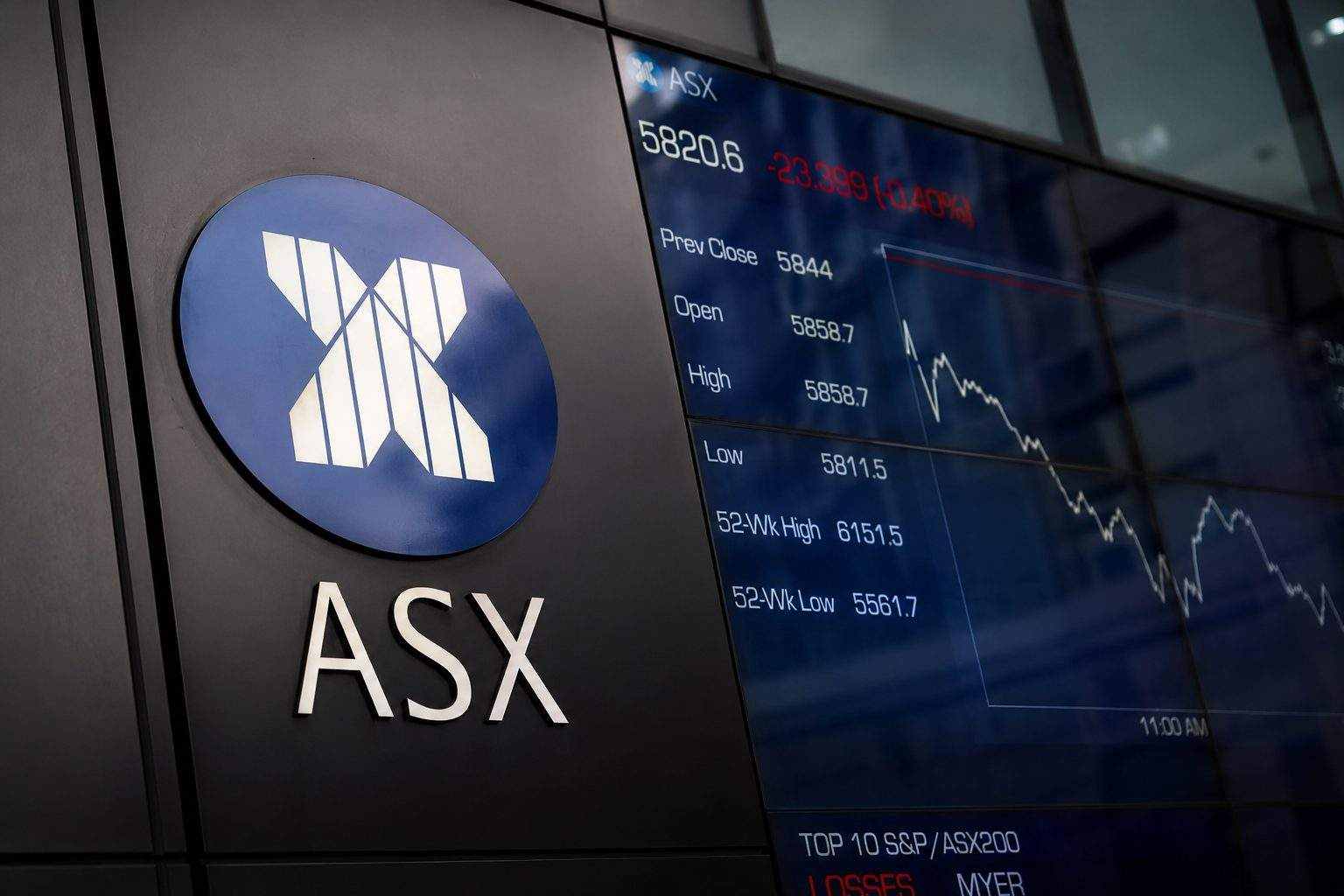
- The S&P/ASX 200 slid 1.51% to finish at 8,744.40—marking its steepest single-day drop in seven weeks.
- Banks, miners, and energy names took a hit, pulling the market down after fresh U.S.-Iran clashes sent oil surging past $100 a barrel.
- Macquarie shed its initial record high, even after topping profit estimates; Tabcorp tumbled further following word of an AUSTRAC enforcement investigation.
Australian stocks took their biggest tumble in nearly two months on Friday, with the S&P/ASX 200 sliding 133.7 points, or 1.51%, to close at 8,744.40. Renewed tensions in the Gulf rattled investors and erased close to A$50 billion in value from the market.
The selloff packed a punch, with oil prices still in control. Brent crude held above $100 a barrel as fresh clashes between the United States and Iran rattled the fragile ceasefire and cast doubt on any reopening of the Strait of Hormuz—crucial for oil and LNG flows.
The move followed just days after the Reserve Bank of Australia bumped its cash rate up 25 basis points to 4.35%. That’s a quarter of a percentage point—each basis point is one-hundredth. The RBA flagged inflation as sticking above target for now, warning risks are still skewed higher.
David Tuckwell, chief investment officer at ETF Shares, said, “New clashes have shattered hopes of a diplomatic resolution.” He pointed to a weaker macro outlook and a more hawkish central bank as added pressure on banks. The Economic Times
Banks slipped 2.3%. Westpac pulled the sector down most after going ex-dividend—fresh buyers miss out on the latest payout. The other big banks wrapped the day between 1.5% and 2.9% lower.
Mining stocks slipped too, weighed down by softer metal prices. BHP ended 1% lower, Rio Tinto gave up 0.8%, and Fortescue declined 0.7%. The materials sector found itself under the same growth pressure that dragged on the banks.
Energy shares slid 1.6%, despite crude prices ticking up. It wasn’t just about oil, though. The drop signaled a wider risk-off tone, with traders cutting exposure on concerns over demand and policy risks across the board.
Macquarie Group didn’t offer much protection. The investment bank posted a full-year net profit of A$4.85 billion, topping the Visible Alpha consensus of A$4.39 billion thanks to strength in its commodities and global markets business. Shares touched a new high at A$249.49 in early trade before sliding back alongside the broader market.
“Supply is constrained, prices rise,” said Macquarie chair Glenn Stevens, pointing to the tough spot policymakers face when conflicts drive up prices but drag on growth. That, he added, makes for a difficult policy mix. Reuters
Tabcorp shares plunged another 14.2%, compounding the 23% drop from the previous day. The company notified the ASX that AUSTRAC is starting an enforcement investigation, citing major misgivings over Tabcorp’s controls around money-laundering and terrorism-financing risks. Chief Executive Gillon McLachlan said Tabcorp plans to “work constructively with AUSTRAC.” The Economic Times
The risk is far from settled. A drop in hostilities and oil prices might unwind some of Friday’s losses. But if the Strait of Hormuz remains blocked, inflation’s grip could persist. “The greater the hit to the global and Australian economies,” AMP chief economist Shane Oliver said of any extended closure. ABC News
The ASX 200 managed a 0.2% gain for the week, though Friday’s slide pulled it back from record highs set in early March. Now, with oil prices up, a more hawkish RBA, and the market stumbling after two positive sessions, investors are looking at slimmer margins for error.
Related articles: ASX:BHP