
WASHINGTON, May 10, 2026, 12:10 EDT
Energy Secretary Chris Wright said on Sunday that the Trump administration is considering a suspension of the federal gasoline tax, adding a possible quick fix to the options for easing stubbornly high fuel prices. “All measures” to bring down pump prices are on the table, Wright said on NBC’s “Meet the Press.” Wall Street Journal
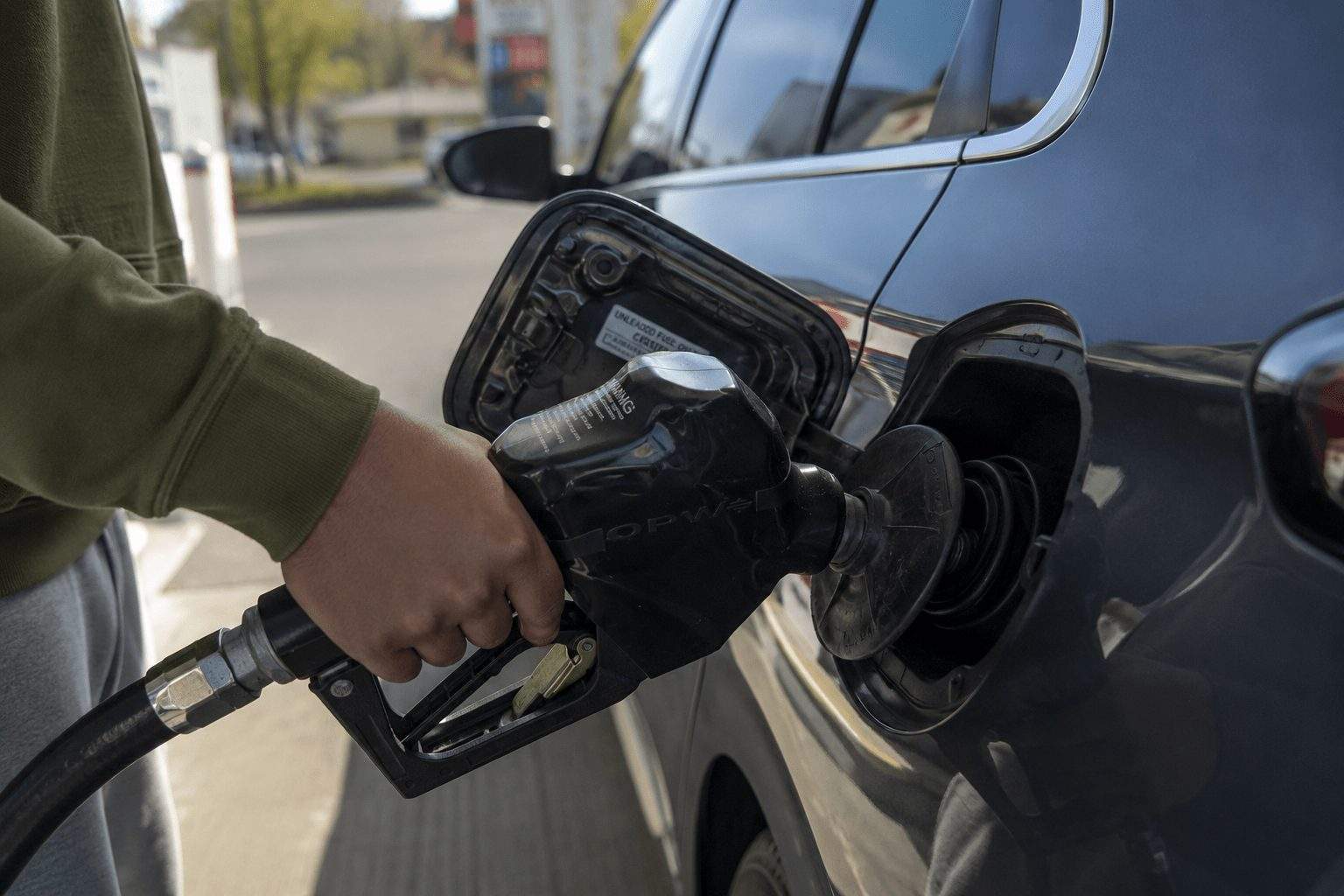
It’s all about timing. AAA’s national average price for regular gas landed at $4.522 per gallon on Sunday, a jump from $4.153 just a month ago and $3.139 at this time last year. Diesel rolled in even higher at $5.647.
A gas-tax holiday pauses the federal charge embedded in pump prices. For gasoline, that tax has been 18.4 cents a gallon since 1993; for diesel, it’s 24.4 cents, Energy Information Administration figures show. Not huge next to the latest price surge, but it’s enough to show up for families watching their weekly expenses.
Wright stopped short of predicting a peak in prices. Gasoline and diesel, he said, have climbed and “will remain up while this conflict is in place.” He also pointed out actions from the administration: tapping the Strategic Petroleum Reserve, working with other nations, and relaxing summer fuel-blend requirements to boost gasoline production. Fox News
Taxes aren’t at the heart of the supply squeeze. The Associated Press, citing recent developments, said crude shipments through the Strait of Hormuz—a chokepoint for roughly one-fifth of global oil—have run into serious bottlenecks because of the Iran war. Rob Smith at S&P Global Energy pointed to continued “upward pressure” on prices, while Bob Kleinberg from Columbia University’s Center on Global Energy Policy dismissed any confusion over the crude-gas connection: “not much of a mystery.” AP News
Speaking on CBS’s “Face the Nation,” Wright stated the U.S. was actively blocking movement in and out of Iranian ports, while Iran kept up its harassment of other vessels in the Gulf. If talks failed to yield a deal in the next several days, he said, Washington might once again consider military options to reopen the strait. CBS News
Diplomatic efforts continued, if unevenly. Iran replied to a U.S. proposal by way of Pakistan, and according to Reuters, sources from both camps described the current push as seeking a provisional memorandum—one that would pause hostilities and open up Hormuz to passage, while larger sticking points like Iran’s nuclear program are hashed out.
There’s a bill on the table, but no agreement yet. Back in March, Senators Richard Blumenthal and Mark Kelly rolled out the Gas Prices Relief Act. The proposal: drop the federal gasoline tax—18.4 cents a gallon—until Oct. 1. Treasury would be tasked with tracking if those breaks make it to drivers and plugging any gaps left in infrastructure funding.
The reality: pausing the gas tax might play well politically, but at the pump, the effect barely registers. The Bipartisan Policy Center figures a federal gas tax holiday would shave just 10 to 16 cents off per gallon, Axios noted. That’s a fraction compared to the $1.50 climb drivers have seen since the war started.
The money issue looms large. That tax pulls in over $23 billion annually for federal highway and transit projects, and no, a president can’t just put it on hold—Congress needs to step in. States, on the other hand, have moved more quickly. Georgia, for example, acted to slash or suspend fuel taxes once prices jumped.
The White House has taken a step, but hasn’t gone all in. What matters more sits beyond D.C. tax policy: ships still need clear passage through Hormuz, and crude prices keep driving forces the gas-tax holiday can’t counter.
Related articles: Stock Market