
Tokyo, May 13, 2026, 22:10 JST
- SoftBank’s net profit for January-March soared, climbing over three times to ¥1.83 trillion, around $11.6 billion, as earnings got a major lift from the company’s stake in OpenAI.
- Net income attributable to owners of the parent jumped to ¥5.002 trillion for the full year, up from ¥1.153 trillion a year ago.
- The company reported a $34.6 billion cumulative investment in OpenAI as of March 31. That figure will jump to $64.6 billion following the scheduled tranches for 2026.
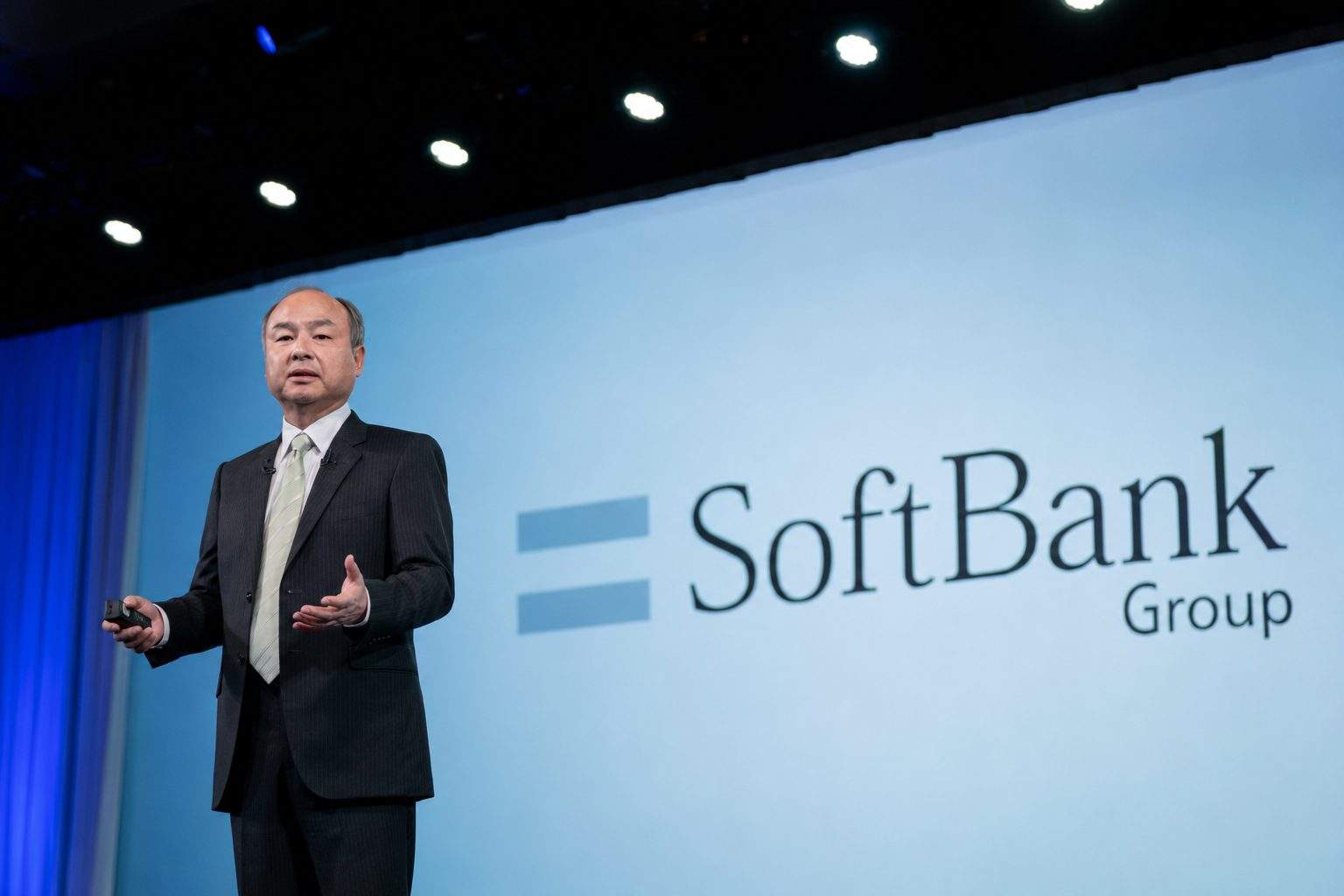
SoftBank Group on Wednesday reported a sharp jump in quarterly profit, crediting a significant boost from its OpenAI stake. For the January-March period, net profit soared to ¥1.83 trillion—more than triple from a year earlier—with the Vision Fund chalking up a ¥3.1 trillion gain tied to OpenAI.
The numbers put Masayoshi Son’s top AI play front and center as SoftBank’s core profit driver — and investors are zeroed in on the group’s willingness to pile on debt to keep that going. Chief Financial Officer Yoshimitsu Goto called SoftBank’s roughly ¥5 trillion annual profit a record for any Japanese firm.
SoftBank’s latest filing spells out the size of its bet. As of March 31, the group had put $34.6 billion into OpenAI. On paper, that stake came in at a fair value of $79.6 billion—a cumulative gain of $45.0 billion, according to the filing.
SoftBank has more cash lined up. The company reaffirmed its February pledge: $30 billion slated for OpenAI this year. April saw $10 billion already provided, with another $10 billion expected in July and a final $10 billion installment in October. That would put the total funded and committed investment at $64.6 billion.
Kirk Boodry at Bloomberg Intelligence pointed out that this quarter’s profit basically comes down to the OpenAI stake, which SoftBank marked up by around $25 billion. Richard Kaye, who co-leads Japan equity strategy at Comgest Asset Management, argued that SoftBank’s track record as an investor is “perhaps better than people sometimes allow.” He also noted the firm’s backing from assets like Arm and its telecom business in Japan. The Edge Malaysia
SoftBank ended up 0.4% at ¥6,012 on the Tokyo exchange, wrapping up before the late-evening dateline. The stock stands out as one of the limited public proxies for betting on OpenAI’s valuation—which means it also takes a hit when skepticism creeps in.
Next up: funding. SoftBank’s data sheet listed a $40 billion bridge facility, dated March 27—basically a short-term loan ahead of longer-term backing—mostly earmarked for additional OpenAI investments. In April, the group tapped $20 billion, then paid back $2.5 billion that month, leaving $17.5 billion outstanding by May 13.
Goto floated another option: SoftBank might leverage its OpenAI holdings as collateral for a margin loan, borrowing against the position. “How to make use of this 10 trillion yen asset is an exciting prospect,” he said. Reuters
Still, those gains haven’t been cashed in. OpenAI is a private company, and a drop in its value would hit the same earnings line that boosted this quarter. Back in March, S&P Global Ratings shifted SoftBank’s outlook to negative, warning that OpenAI’s bigger slice of the portfolio could squeeze liquidity and weaken asset quality.
Competition is heating up. OpenAI isn’t alone, with Alphabet’s Gemini and Anthropic’s Claude in the mix. On top of that, expenses for developing and operating big AI models keep climbing. Still, Goto dismissed the worries, arguing that rivalries push the industry forward by sharpening business models and expanding services. “Overall that increases the value of the industry,” he said. Reuters
Prediction markets aren’t betting on a speedy public debut. On Polymarket, there’s a 74% implied probability that OpenAI won’t go public by Dec. 31, 2026. Over at Kalshi, contracts price the odds of an OpenAI IPO announcement this year around 44%. These are thinly traded contracts—not formal projections—but they do highlight just how unclear the company’s exit timeline still is.
Others on the sell-side are even more wary. Jefferies’ Atul Goyal called the arrangement “circular funding dynamics,” according to the Financial Times, highlighting how SoftBank’s participation in funding rounds can end up boosting the value of its own stake in OpenAI. Financial Times
For now, Son’s OpenAI stake has delivered the profit jump he was after. The real challenge: turning that paper windfall into lasting cash—or continuing to use it as collateral—without letting the balance sheet grab headlines.
Related articles: Artificial Intelligence